“Splitting the G” turned a 265-year-old stout into a Gen Z obsession without changing the beer at all. The lesson for brands: sell a behavior, not a product.
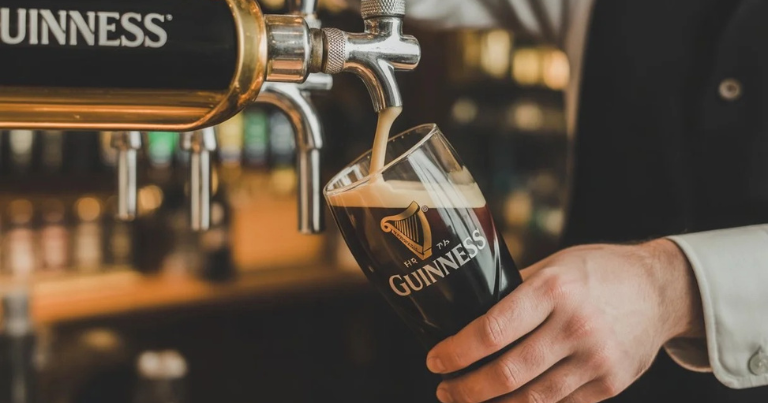
Ask a Guinness drinker about “Splitting the G” and they’ll explain the goal: take that perfect first sip so the foam settles right through the letter G on the glass. Ask an Irish bartender and you’ll get a purist’s correction. The original target was the gap between the harp and the logo, before social media flattened it into something easier to share. Either way, the point stands. Guinness turned drinking a pint into something people actively do, not just consume.
The numbers back it up. Posts tagged #SplitTheG have racked up tens of millions of views on TikTok and Instagram, pulling a 265-year-old stout in front of a whole new generation. Guinness sales climbed 14% in 2024 and another 13% in 2025, and parent company Diageo says it’s added 3.8 million new Guinness drinkers since 2019. The New York Times went as far as calling the beer a Gen Z darling. The pint never changed. The behavior around it did.
That’s the insight worth stealing. The brands people remember aren’t always the ones shouting the loudest, but the ones that plant a small behavior customers repeat until it hardens into habit. Hospitality shows it plainly. At New York’s Coqodaq, diners start by washing their hands at an elaborate sink before sitting down to fried chicken, a theatrical beat people film and recount to friends. It’s become part of the restaurant’s identity and part of why it lands on the city’s toughest-reservations lists.
None of this is brand new. Corona, the world’s most valuable beer brand at $9.7 billion, built an entire identity on a lime wedge. Spotify Wrapped, an annual ritual users now wait for, hit 200 million engaged users within 24 hours of its latest release, up 19% year over year, and drove roughly 500 million shares. Add the lime. Share your Wrapped. Split the G. None of these companies just sold a product. They manufactured a behavior people willingly perform again and again.
So how do you actually pull it off? A few principles hold across the brands that get it right.
Find the idea that’s already yours.
A ritual has to grow out of who you are. The fastest way to fail is bolting on an “Instagram moment” with no connection to the brand. The Ritz-Carlton in New Orleans wheels out a cart of beignets every day, some of the best in the city, and they vanish in seconds. It works because it’s specific to that place and that culture. Copy-paste it into another market and it falls flat. Better to prototype small, watch how customers react, and let the ritual surface on its own than to force one because it worked for someone else.
Own a moment.
Every day is stacked with emotional beats already primed for enjoyment: morning coffee, sunset drinks, sitting down to dinner. The strongest rituals latch onto one. Aperol didn’t just market a drink; it claimed the aperitivo hour, that early-evening window of golden light and terraces and friends after work. Campari Group reported 23.1% organic sales growth for Aperol in 2023, with the brand now making up 24% of total sales. It didn’t invent an occasion. It elevated one that was already there.
Invest in the emotion, not just the transaction.
Branding isn’t what you say, it’s what you do, which is why rituals forge such durable bonds. Think of the pizza place that hands kids dough to shape their own pie; they’ll remember it for decades. That bond is usually the real reason people come back, and it pays a content dividend on top. When someone posts themselves splitting the G, it’s organic, and it puts Guinness in front of an audience no paid campaign could buy at that price.
The catch is consistency. Rituals only work if they’re reliable, and doing something well every single day is far harder than staging a splashy one-off. That’s why the best ones tend to be almost suspiciously simple. They’re built to be repeated until customers start to expect them.
The brands that earn lasting loyalty aren’t necessarily the ones with the biggest campaigns. They’re the ones that keep handing people something worth repeating, because every repeated behavior becomes a memory, and every memory is one more reason to come back.