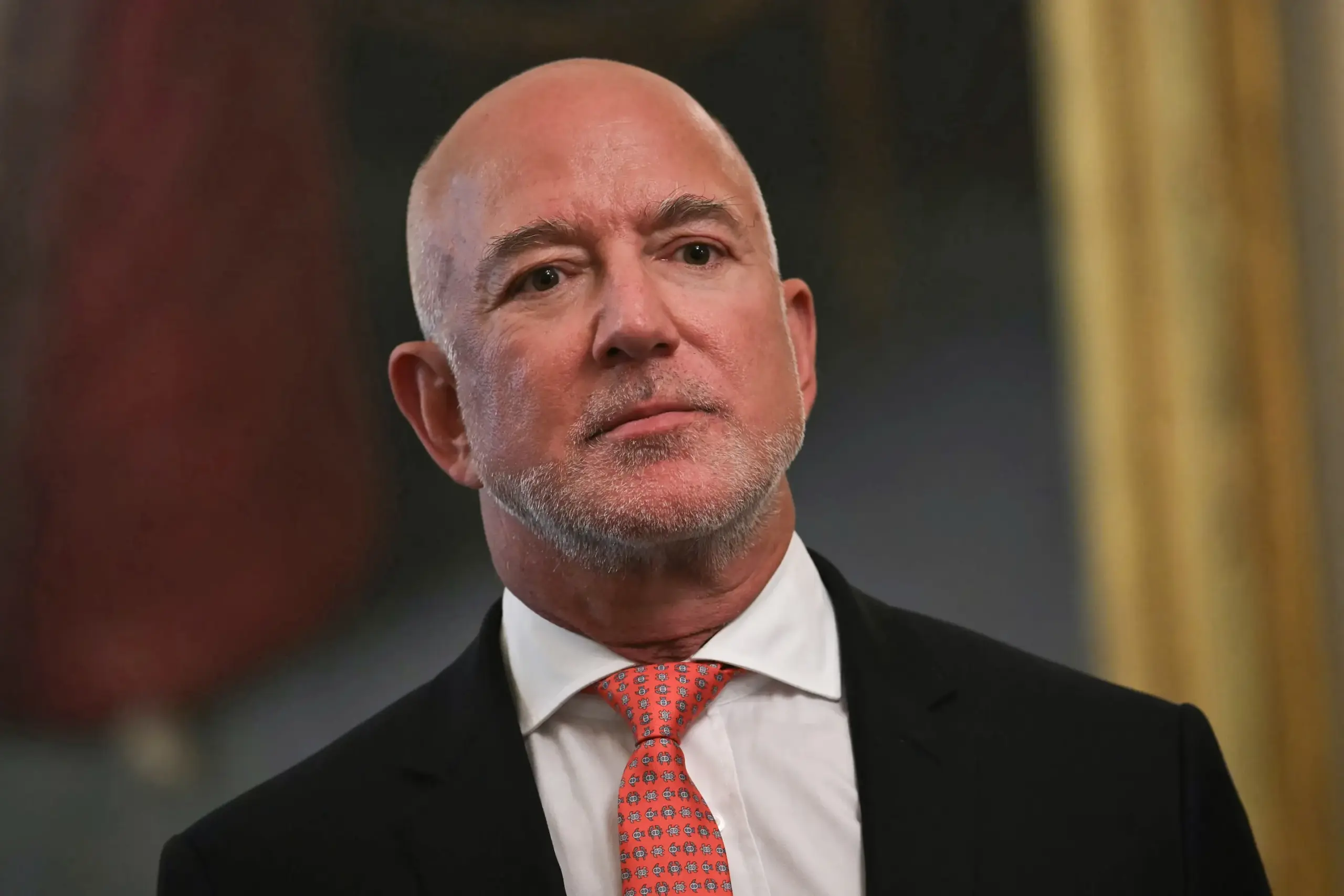
Jeff Bezos thinks artificial intelligence will make people rich enough to work less. Speaking to Bret Baier on Fox News last week, the Amazon founder said AI-driven productivity could let workers say “I can support my family by working three days a week,” and let two-earner households decide they no longer need the second salary.
He went further, predicting AI would cause labour shortages rather than mass unemployment. “A lot of smart people are prognosticating” large-scale job losses, Bezos said. “I just happen to disagree with those smart people.” He did not explain how the gains would reach workers’ pay packets.
A claim that sits awkwardly with Amazon’s own record
Baier pointed out that Amazon has cut roughly 30,000 jobs over the past year, mostly corporate roles. Bezos blamed pandemic-era over-hiring. Yet Amazon CEO Andy Jassy has said publicly that generative AI will shrink the company’s corporate workforce over time, so the man running Amazon and the man who built it are describing different futures.
Where Bezos fits in the AI jobs debate
Bezos joins a group of billionaires forecasting shorter weeks. Bill Gates has floated a two-day week, and JPMorgan’s Jamie Dimon has suggested three and a half days. On the other side, Anthropic CEO Dario Amodei has warned that AI could eliminate half of entry-level white-collar jobs. Both camps agree AI will raise output. They disagree on who keeps the surplus.
That is the part Bezos skipped. Productivity has roughly doubled in most advanced economies since the 1970s, yet the standard working week barely moved and dual incomes became the norm. Shorter hours have historically come from unions, legislation and tight labour markets, not from technology on its own.
A “good” bubble
Bezos also called the current AI boom an “industrial bubble,” and a healthy one. Speculators may lose money, he argued, but the infrastructure and inventions survive. Asked whether we are in one now: “It’s very hard to know. What I do know is the technology is real.”
For business leaders, the useful signal is the gap between rhetoric and hiring data. If Bezos is right, companies will compete for scarce talent and flexible schedules become a recruiting tool. If Jassy’s internal forecast holds, the three-day week will arrive for some workers only because there is less work to go around.