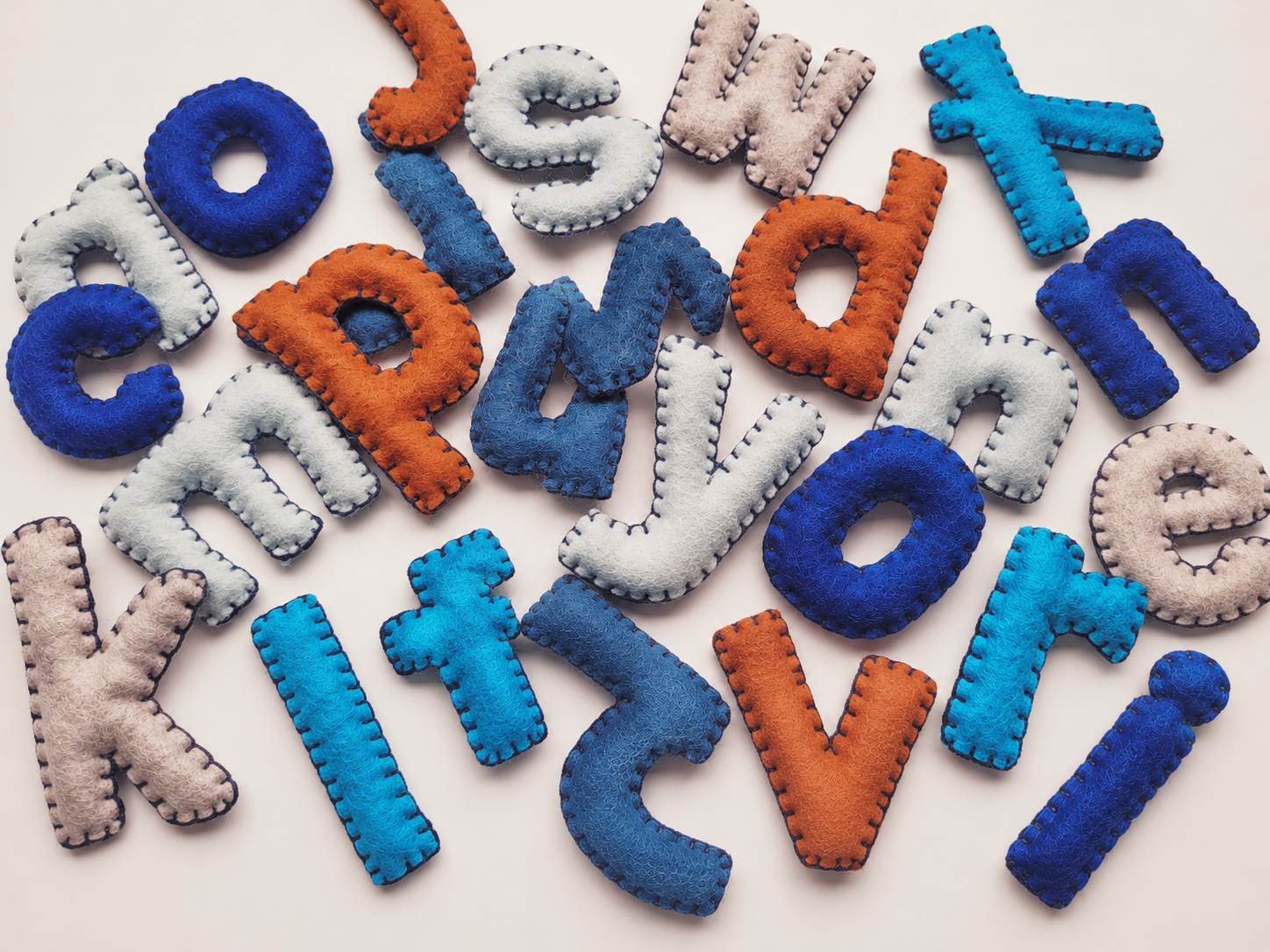
Scroll any feed long enough and you’ll find whole paragraphs without a single capital letter: Substack notes, founder posts, even layoff announcements. A recent WIRED feature traced where the habit comes from, and its history runs far deeper than a Tumblr aesthetic.
A habit born in hardware
Early computer terminals handled only 64 characters, which left no room for lowercase, so languages such as Fortran were written in capitals. The Teletype Model 33, launched in 1963, was single-case too. When Ken Thompson and his Bell Labs colleagues began building Unix in 1969, it supported both cases, and programmers built etiquette around them. Over time, unnecessary capitals came to read as shouting.
Thompson, now 83, declined WIRED’s interview request in lowercase: “lower case? it started with single-case tty model 33. now, it is habit.”
The insider norm faded after September 1993, when AOL opened Usenet to its subscribers and the wave of newcomers brought standard capitalisation with them.
From diary to bestseller
Lowercase came back through Tumblr in the early 2010s. Becky Campos, creator of justgirlythings, told WIRED the style made posts feel like reading a diary rather than “polished copy.” Rupi Kaur took it mainstream: in 2016 her collection milk and honey outsold Homer’s The Odyssey, the next best-selling poetry title, roughly tenfold. Kaur links the choice to Gurmukhi, the Punjabi script, which has a single case.
Writer Rayne Fisher-Quann, of the Substack Internet Princess, says lowercase “neutralizes” the self-importance of writing about yourself.
One style, four meanings
Linguist Gretchen McCulloch calls this resemanticization: a form created for one job picks up new meanings as more people use it. Twentysomethings use lowercase to sound casual, because capitals in texts read as “too intense.” Executives use it too. “The more senior you get, the less formal your emails are,” investor Michelle Liang told WIRED, and Jack Dorsey announced cuts to 40 percent of his staff in an all-lowercase post in February. Some borrow it politically from bell hooks and e e cummings. And internet linguist Adam Aleksic suggests it now marks a human writer, since chatbots default to standard capitalisation unless asked otherwise.
What marketers should take from it
Revenue intelligence firm Gong analysed more than 85 million cold emails and found lowercase subject lines earned twice the opens of capitalised ones. That number also explains the risk. Once informality becomes a growth tactic, audiences learn to spot it, and a brand imitating group-chat intimacy starts to look calculated.
Lowercase works best where a relationship already exists: DMs, community spaces, newsletters with a named writer behind them. It works poorly in anything readers need to scan quickly.
The clearest signal may come from Fisher-Quann herself. When WIRED checked back, Internet Princess had switched to proper capitalisation. Style signals lose meaning as they spread, and the people who started them are usually the first to move on.
Based on reporting by WIRED (“The case for lowercase”). Quotes from Ken Thompson, Rayne Fisher-Quann, Becky Campos and Michelle Liang were originally given to WIRED.