Valar Atomics just raised $1 billion to build nuclear reactors for AI data centers, months after one of its reactors became the first in the US to power an Nvidia chip.
What Happened
Valar Atomics has raised a $1 billion Series B led by Sequoia Capital, tripling the nuclear startup’s valuation to $6 billion in just a few months. The round included a separate $200 million credit facility from Erebor Bank and JPMorgan, bringing the company’s total new capital to $1.2 billion. Sequoia partner Shaun Maguire is joining the board.
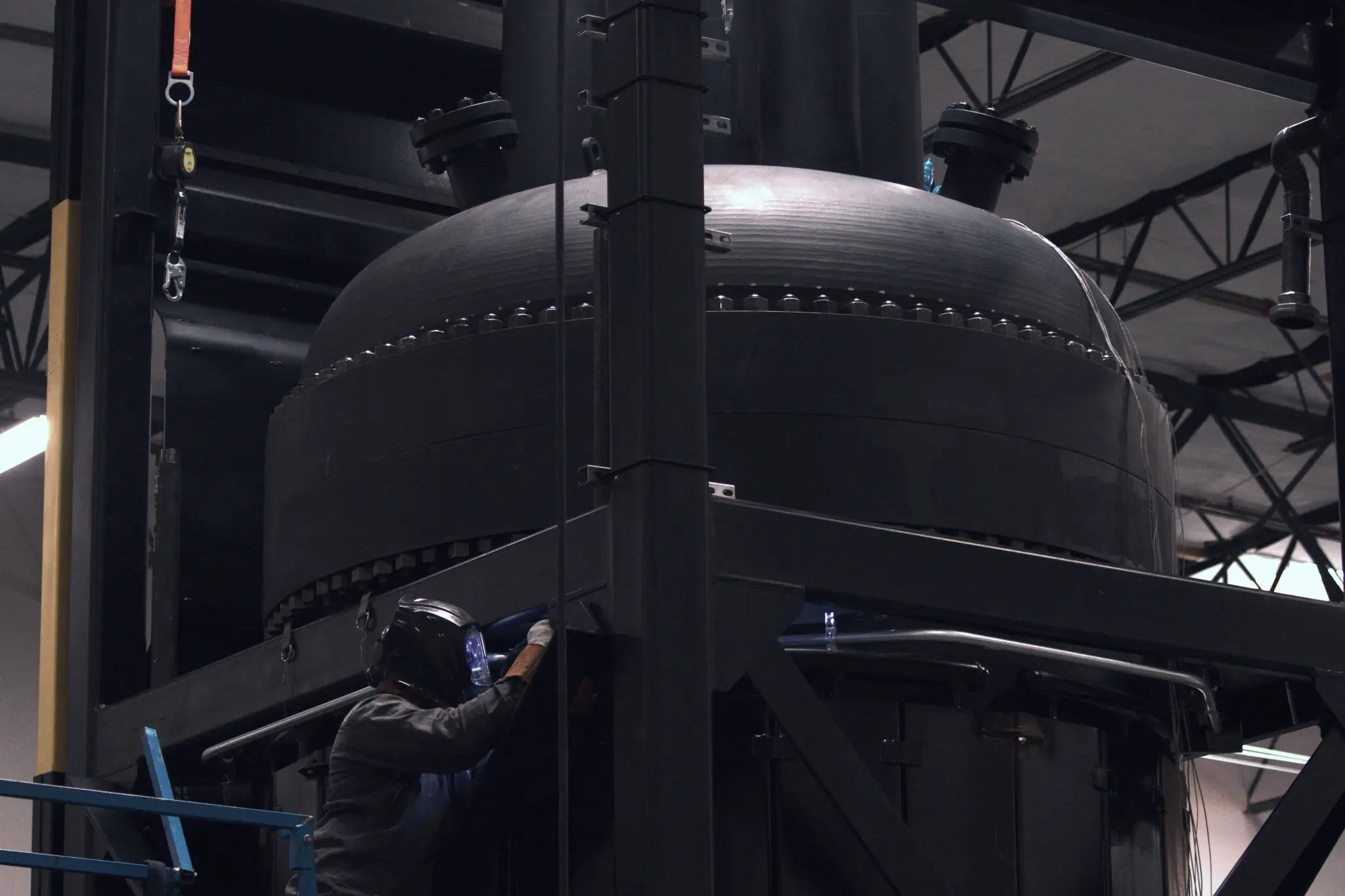
The timing isn’t a coincidence. On June 18, Valar’s Ward 250 reactor, a small, helium-cooled design fueled by TRISO-coated uranium particles, achieved self-sustaining criticality at a test site in Orangeville, Utah, making Valar the first company to take a reactor critical outside a national laboratory. Two weeks later, that same reactor generated electricity that powered an Nvidia AI chip, the first time a US nuclear reactor has directly supplied power to AI hardware.
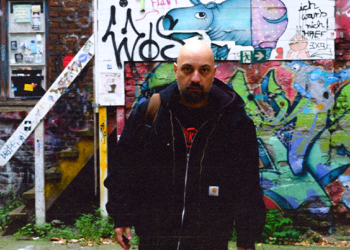
Founded less than three years ago by Isaiah Taylor, Valar’s pitch is straightforward: treat nuclear reactors like manufactured products instead of decade-long construction projects, and build them in volume for the industries that need power the most. That list now includes AI data centers, industrial operations, and national security customers, with Nvidia already planning a 30 megawatt closed-loop facility in Utah built around the technology.
Why It Matters
AI’s power problem has moved from a talking point to a physical constraint. Data centers are straining grids everywhere, and the companies building frontier models are increasingly looking for electricity sources that don’t compete with homes and factories for capacity. A closed-loop nuclear facility solves that cleanly: no grid draw, and according to Nvidia, a cut in water use from millions of gallons per megawatt down to nearly zero.
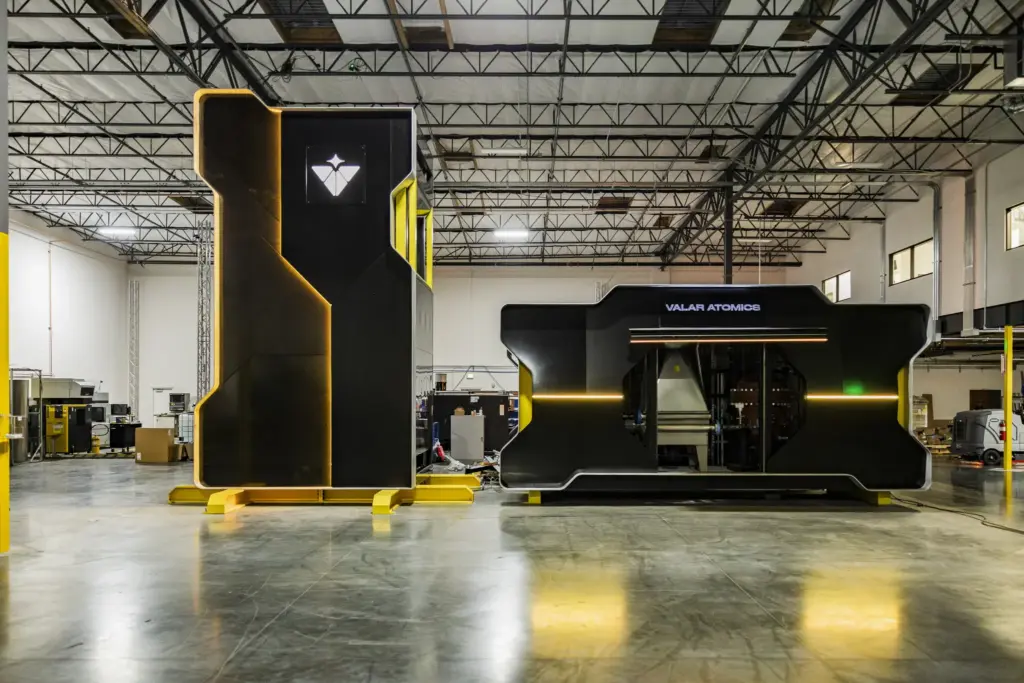
Valar’s bet is also a bet on manufacturing, not just physics. Small modular reactors have existed as a concept for years, but the industry’s track record is defined by delays and blown budgets. Valar is arguing that the real innovation isn’t a better reactor design, it’s building the same reactor over and over until the economics work like a factory line instead of a custom build.
The Bigger Picture
Valar’s raise is larger than three of its closest competitors combined, and it’s happening at the same time the Trump administration is actively rewriting nuclear regulation to speed up approvals. Energy Secretary Chris Wright has built a visible relationship with the company, and Taylor stood behind Trump during a White House nuclear announcement in July. Investors are effectively pricing in that the regulatory bottleneck that has strangled US nuclear for decades is about to loosen, and they want exposure to whoever is positioned to move fastest once it does.
What’s Next
Valar still needs a commercial license from the Nuclear Regulatory Commission before Ward 250’s successors can operate outside a research setting, and that approval process remains the biggest variable standing between a working prototype and a real fleet of reactors. If the company clears it, the next test is industrial: whether Valar can actually produce reactors on a repeatable timeline, at a cost that beats building new gas turbines or waiting years for grid upgrades. If it can’t, this becomes another expensive lesson in how hard nuclear manufacturing is to scale, regardless of how much capital shows up to fund it.