Tesla’s next-generation Roadster finally left the ground. At a demonstration in Waco, Texas, the long-delayed electric sports car climbed a towering ramp, performed an aerial manoeuvre over other Tesla vehicles and recorded a company-reported 0–60mph time of 0.81 seconds.
The event delivered the spectacle Elon Musk had promised, while leaving several commercial questions unanswered. Tesla did not announce a new purchase price or a firm delivery date. Musk’s latest target is to begin production in 2028, more than a decade after the original prototype appeared.
The distinction matters because the Roadster shown in Texas is an experimental performance machine with several proposed configurations. Its most extreme version is intended for brief airborne manoeuvres and is explicitly not approved for public road use.
How the Roadster left the ground
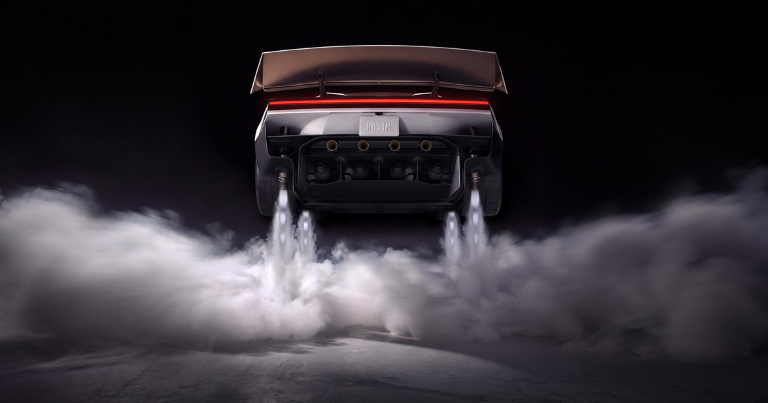
The demonstration combined two different systems: fans that generate suction beneath the vehicle and cold-gas thrusters that provide additional propulsion.
Tesla described the fan system as capable of generating up to two Gs of suction force. During the ramp sequence, it helped hold the car against the surface as the Roadster climbed. Thrusters then controlled its movement as it left the ramp and returned towards the ground.
A subsequent stunt sent the car over a line-up that included the Model 3, Model Y, Cybertruck, Semi and Cybercab. Tesla’s engineering vice-president Lars Moravy described the manoeuvre as a “kick flip”.
According to the presentation, the compressed-air system uses two ultra-high-pressure tanks with a combined volume of 600 litres and approximately 250 kilograms of stored air. Ten nozzles direct the thrust, while the car can refill its tanks without requiring a specialised chemical propellant.
These were short, controlled demonstrations of lift and movement in the air. They do not establish the Roadster as a vehicle for sustained flight or everyday aerial transport.
Three versions with very different limits
The proposed range separates conventional driving from the more experimental capabilities.
The two-seat Performance, labelled “Road Ready”, combines active aerodynamics with a multi-mode suction system. Tesla lists a claimed 0–60mph time below 1.6 seconds and a target range exceeding 300 miles. That positioning should not be confused with confirmation that a finished production vehicle has completed all necessary approvals.
The two-seat Thrust, described as “Race Ready”, adds rear-mounted cold-gas thrusters. Its claimed 0–60mph time falls below 0.9 seconds, and Tesla describes availability as a limited release.
The Rocket, labelled “Air Ready”, reduces seating to one and uses thrusters around the vehicle to enable upward, sideways and rotational movement. Tesla lists a claimed 0–60mph time below 0.59 seconds and a top speed above 230mph. It is described as invitation-only and not approved for public road use.
Those figures are Tesla’s stated claims, rather than independently verified production-car results. They also differ from the 0.81-second acceleration run reported during the presentation. Keeping them separate is essential to understanding what was demonstrated and what the company says future versions could achieve.
A dramatic return after years of delays
The new design takes inspiration from aerospace engineering, including the SR-71 reconnaissance aircraft. Features described at the event included seats moulded into the chassis, a steer-by-wire yoke and a retractable rear wing.
Much has changed since Tesla first revealed the next-generation Roadster in 2017. That prototype came with promises of a 1.9-second 0–60mph time, up to 620 miles of range and a US$200,000 starting price. Deliveries were originally expected in 2020. Those historical specifications and prices should not be treated as confirmed details for the newly presented range.
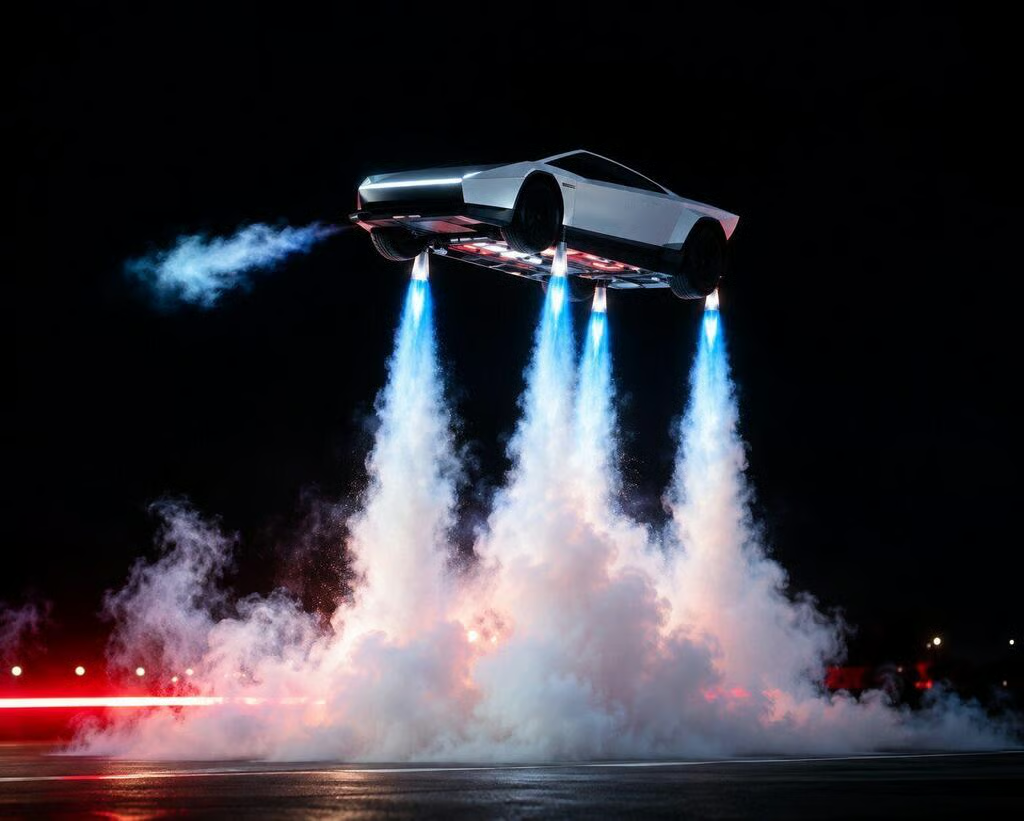
For Tesla’s brand, the demonstration provides an unusually striking image of its collaboration with SpaceX. A car briefly flying over the rest of the product line communicates engineering ambition more immediately than a list of specifications.
It also leaves the project with a familiar test. Tesla has now shown the Roadster performing extraordinary stunts. Turning that demonstration into vehicles customers can buy will require confirmed specifications, clear operating restrictions and a production timetable that holds.