Vogue has decided that the city best positioned to host its next street-theater spectacle isn’t Milan or another lap around New York. It’s San Francisco, a city with no fashion week, no couture houses, and a wardrobe that skews heavily toward fleece vests and sneakers. The announcement, made Thursday by Anna Wintour, tells you less about San Francisco’s sense of style than it does about where the money in fashion’s audience now sits.
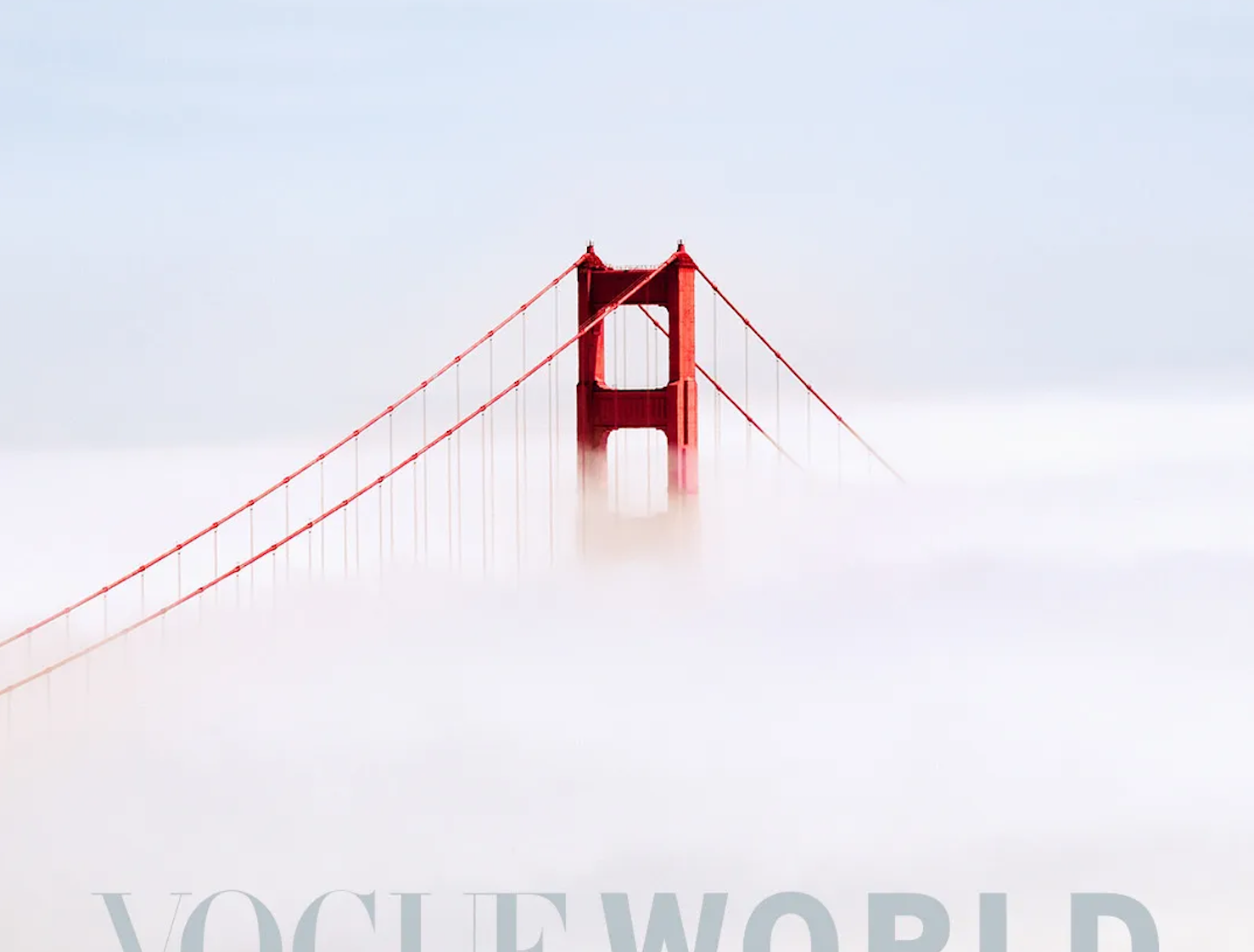
Vogue World will land in San Francisco in fall 2027, Condé Nast confirmed, making it the sixth stop for a franchise that started in New York in 2022 and has since toured London, Paris, Hollywood, and, most recently, Milan this year. Each edition mixes runway, live performance, and a guest list built for maximum media coverage. Wintour framed the choice in the language you’d expect: San Francisco is “a city like none other,” with a history of “rebelliousness” and creative energy worth celebrating. Mayor Daniel Lurie’s office leaned into the economic pitch, saying the event will draw visitors, support local businesses, and generate revenue for city services.
What the announcements don’t spell out directly is who lobbied for this. Reporting around the decision points to Jony Ive, the former Apple design chief now building hardware with OpenAI, and Zac Posen, the designer turned creative director at Gap, as two of the people who worked to convince Wintour that San Francisco was the right call. It’s a signal that the people shaping Vogue’s calendar increasingly come from product design and technology, not just fashion’s usual circuit of editors and stylists.
Why this is bigger than one event
Vogue World is a marketing vehicle, and marketing vehicles follow money. Look at what’s happened to the Met Gala, the closest comparison point, over the past two years. Jeff Bezos and Lauren Sánchez were lead sponsors this year, contributing $10 million. Amazon, Meta, OpenAI, and Snap each bought tables at $350,000. Individual tickets rose to roughly $100,000, up from around $75,000 the year before, and the gala pulled in a record $42 million. Compare that with 1995, the first year Wintour chaired the event, when a table cost about $15,000, or roughly $32,000 adjusted for inflation, and the guest list was drawn mostly from fashion and entertainment. Tech wasn’t in the room because tech wasn’t the money.
That’s no longer true. AI wealth in particular has concentrated fast, and it’s landed on people who, unlike prior generations of old money or Hollywood stars, have shown they’ll spend it on visibility inside institutions that used to gatekeep them out. Vogue, an institution built on access and proximity to power, is doing what institutions do when the composition of power shifts: it’s moving toward it. San Francisco doesn’t need to have a fashion identity for this to make sense. It needs to have the checkbooks.
The bigger picture for marketers
This is worth watching closely if you work in luxury or brand marketing, because it’s a preview of where premium audiences are migrating. For decades, luxury brands built their marketing around old wealth, celebrity, and European fashion capitals. That playbook assumed the buyer with disposable income for exclusivity lived in New York, London, or Paris, and dressed like it. Tech wealth breaks that assumption. It’s concentrated in cities that historically had no interest in performing taste, and it’s often held by people in their thirties and forties who came up wearing hoodies and want status markers that don’t necessarily look like their parents’ idea of luxury.
Fashion and luxury brands courting this audience have to solve a real tension: how do you sell exclusivity to people whose social currency was built on looking deliberately unbothered by it? San Francisco’s own aesthetic has already started shifting, with local menswear designers gaining attention as the city’s tech-normcore reputation softens. Vogue World arriving there in 2027 will be a live test of whether fashion spectacle translates in a market that never asked for one, and whether the AI money filling Met Gala tables will show up the same way for a runway show in its own backyard.
What comes next
Expect more of this pattern before Vogue World San Francisco actually happens. Luxury brands will keep testing how far they can stretch traditional codes to court founders and executives who don’t respond to the usual signals. Other event franchises, from art fairs to design weeks, will likely make similar geographic bets, following capital rather than cultural pedigree. And the real story to track over the next year isn’t the show itself. It’s whether San Francisco’s tech elite actually turns up, spends like Bezos did at the Met, and gives Vogue the return it’s clearly betting on.