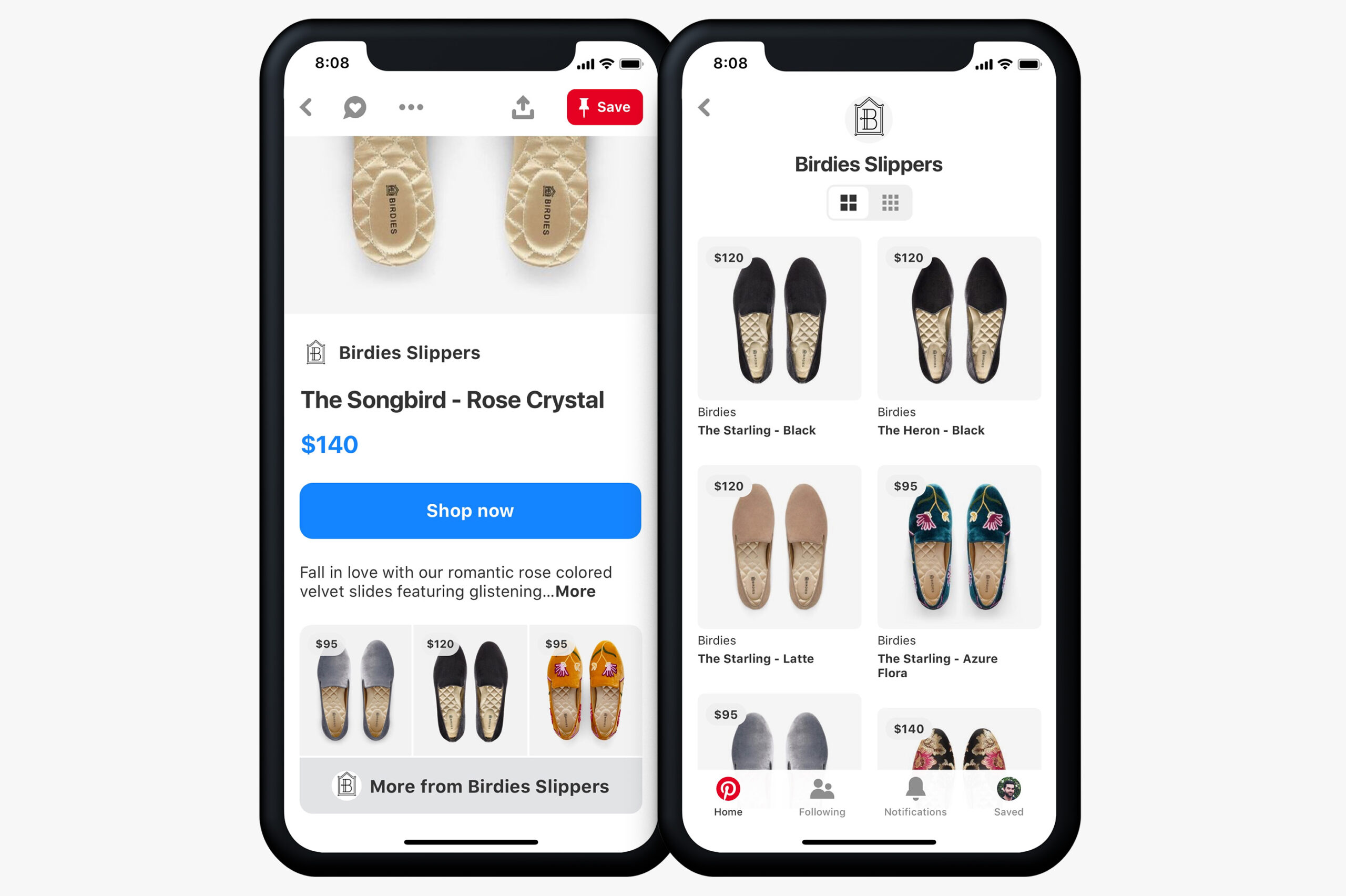
Pinterest just told investors, in plain language, that it no longer sees itself as a mood board app that happens to sell ads. On its Q2 2026 earnings call, CEO Bill Ready described the company as “an AI-driven shopping assistant.”
The numbers backed up the pitch. Revenue crossed $1 billion for the fourth straight quarter, up 18% year over year to $1.18 billion, and monthly active users hit a record 640 million, up 11%. Pinterest Assistant, the company’s conversational AI layer, reached the vast majority of US users by the end of July. It leans on what Pinterest calls its “Taste Graph,” a recommendation system built from years of searches, saves and boards, to help people move from browsing to buying: comparing products, checking sizing, working out what actually goes with what.
For most of its life, the platform has been a place people go before they’ve decided to buy anything: wedding boards, kitchen renovation ideas, outfit inspiration. That’s a useful position, but it’s a hard one to monetise directly, because inspiration doesn’t convert on its own. Pinterest’s own data makes the opportunity clear: the platform sees more than 80 billion searches a month, most of them visual, and Ready says more than half carry commercial intent. The gap between “commercial intent” and “completed purchase” is exactly where Pinterest is now trying to insert itself with AI.
The bigger picture is a familiar one playing out across every major platform this year. Instagram, TikTok and now Pinterest are all racing to close the distance between discovery and checkout, because the platform that owns that last step owns the attribution data advertisers actually pay for. Pinterest’s advantage, if it has one, is that its users already arrive with purchase intent baked in rather than needing to be convinced to shop in the first place.
It isn’t a clean win yet. Shares rose during Tuesday’s regular trading session but reversed sharply after hours, falling more than 9%, as investors weighed rising infrastructure costs against the AI narrative. Building and running these systems isn’t free, and Wall Street wants to see the shopping pivot show up in margins, not just in keynote language.
What happens next will depend on adoption rather than announcements. Pinterest plans to widen Pinterest Assistant further, expand Performance+ to more advertisers, and fold in AI bidding and measurement tools currently being tested with a small group of brands. If lower-funnel spend keeps outgrowing the rest of the ad business at its current pace, Pinterest’s rebrand from inspiration board to shopping engine will look less like a talking point and more like a business model.