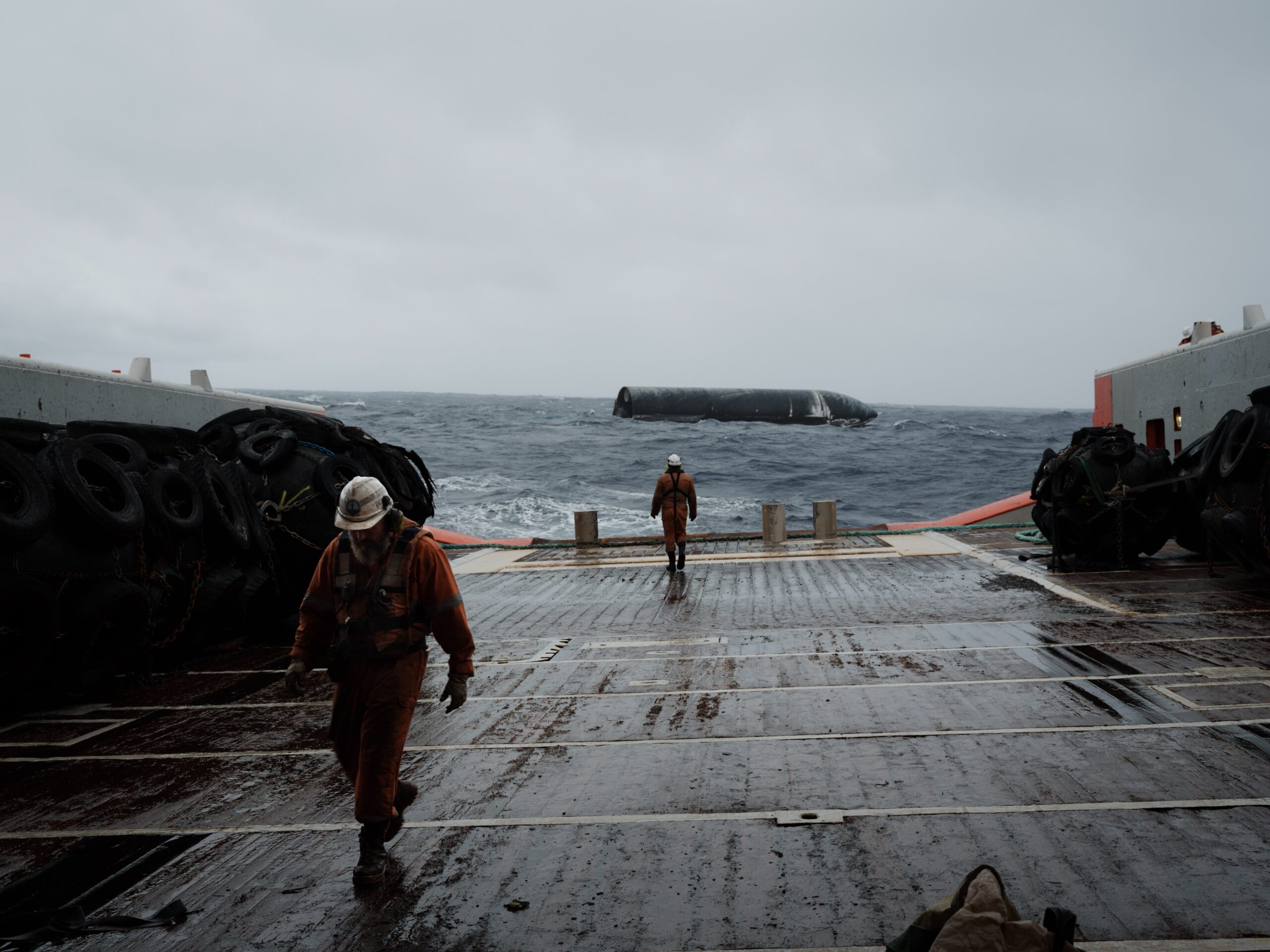
SpaceX has finally recovered the upper stage of its Starship rocket, ending a 24 day operation that turned an unplanned survival into a logistical headache spanning hundreds of miles of open ocean.
The vehicle, known as Ship 40, splashed down in the Indian Ocean on July 24 after completing Starship’s 13th test flight from Starbase, Texas. The flight itself was a mixed result. The Super Heavy booster handled liftoff, ascent, and stage separation cleanly, but a partial engine ignition failure sent it into a hard splashdown in the Gulf of Mexico instead of the controlled landing SpaceX had planned. Ship 40 fared better, staying on its intended trajectory and reaching a controlled splashdown far out in the Indian Ocean.
That success created an unusual problem. Starship’s upper stage isn’t designed to be fished out of the water and shipped home; SpaceX’s recovery plans have historically focused on the booster, which is meant to return to the launch site. Ship 40 stayed intact enough that Elon Musk announced on July 28 that the company would try to bring it back anyway, and a recovery team spent the following three and a half weeks towing the 171 foot, 52 meter spacecraft across open water through what SpaceX described as increasingly rough seas.
The tow finally ended this week, with the ship reaching calm waters off Christmas Island, an Australian territory in the Indian Ocean. SpaceX engineers are now headed there to inspect the vehicle before it makes the longer trip back to Starbase.
The recovery matters less for the hardware itself and more for what it tells SpaceX about how Starship behaves after atmospheric reentry and ocean impact, data the company can’t easily get any other way. Every splashdown that survives largely intact is a chance to study heat shield performance, structural integrity, and how the vehicle’s systems hold up outside a controlled landing, information that feeds directly into the next iteration of the design.
That next test is coming soon. SpaceX is targeting late August or early September for Starship Flight 14, which the company hopes will be its first attempt at a full orbital mission. Whatever engineers find when they finally get inside Ship 40 will likely shape how confident SpaceX feels going into that flight, and how much of this booster generation’s remaining test flights focus on fixing the Super Heavy ignition problem versus pushing further into orbital territory.