John Lewis is preparing for a shopping world in which customers may ask an AI assistant what to buy before they ever open a retailer’s website.
The British department store is launching a YouTube chatshow and expanding its social media production in an effort to make its products more visible across AI-powered search tools such as ChatGPT and Gemini. The move reflects a growing concern among retailers: traditional search rankings are no longer the only gateway to discovery.
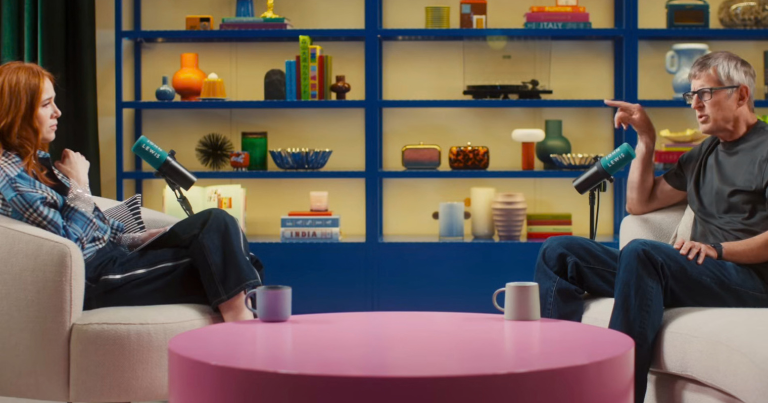
Its new series, Gift List, will be hosted by television presenter Angela Scanlon and built around conversations about memorable, disastrous and surprisingly good gifts. Broadcaster Louis Theroux will appear in the first episode, with six installments planned ahead of Christmas. Clips will also be distributed across social platforms.
The format takes inspiration from the success of Dish, the podcast produced by John Lewis sister brand Waitrose. Yet the strategic value goes beyond building an audience on YouTube.
AI assistants increasingly draw on fresh online conversations, expert recommendations, media coverage and third-party content when answering shopping questions. That means retailers have a new reason to create material that can circulate widely across the web, rather than relying entirely on product pages and conventional advertising.
John Lewis says the shift is already visible in customer behavior. Outgoing managing director Peter Ruis said only 0.3% of customers were using large language models to search for products roughly a year ago. That figure has since climbed to 2.5%, with adoption growing across age groups.
The percentages remain relatively small, but the trajectory matters. A customer looking for “the best wedding gift under £100” or asking an AI assistant what to buy for a teenager may never search for John Lewis by name. The retailer therefore needs its products, expertise and brand to appear inside the information those systems encounter.
That changes the role of branded content.
A festive television commercial can build fame, while a YouTube conversation, expert clip or timely social post can answer a specific question and potentially remain discoverable long after publication. John Lewis also plans to react more quickly to cultural moments, producing content around emerging interests that might translate into demand.
Ruis pointed to examples such as the British Museum’s Bayeux Tapestry exhibition potentially generating interest in cross-stitching, or the arrival of a new Harry Potter television series influencing Christmas shopping. A retailer able to create useful content around those moments may gain visibility across social feeds, conventional search and AI-generated recommendations at once.
The strategy arrives as generative AI begins to redraw one of retail’s oldest battles: being present when a customer decides what to buy.
For decades, that meant securing the best high-street location, appearing near the top of Google or producing the Christmas campaign everyone talked about. Those things still matter. Now retailers also have to think about what an AI assistant knows about them, which sources it trusts and whether the brand appears when a shopper asks a question instead of typing a keyword.
John Lewis is betting that the answer starts with producing more conversations worth finding.