
The biggest prize at this year’s IFA didn’t go to a foldable phone or a robot. It went to a hearing aid.
Anker’s RIC Hearing Aids Pro took Best of IFA at the show’s Innovation Awards, held for the first time as a live ceremony on September 4 at Messe Berlin. Insta360’s Luna Ultra gimbal camera picked up Best of Tech, and LG Electronics was named Best of Brand. The awards, now in their second year, drew more than 530 entries judged by an independent international panel on innovation, functionality, design and market impact. IFA Management CEO Leif Lindner said the program is meant to “highlight innovations that stand out for their technological quality, consistent implementation and genuine added value.”
Why an over-the-counter hearing aid won the top prize
Anker built its reputation on chargers and power banks, so a hearing aid winning its first Best of IFA is a real shift for the brand. The device runs on Anker’s own Thus AI chip, processes 40 billion operations per second, and uses four beamforming microphones to isolate a speaker’s voice from background noise. It offers 12 hours of battery life per charge, 36 hours with the case, and it’s designed to sell over the counter rather than through a clinic, following the same accessibility push behind Apple’s hearing aid features in AirPods Pro. Pricing and an exact release date are still unconfirmed, with Anker pointing to a 2027 launch.
Insta360’s win tells a different story: about six years of co-engineering with Leica producing a dual-lens 8K gimbal camera with a detachable OLED touchscreen, aimed squarely at creators who need broadcast-grade color and stabilization in a 200-gram body. It ships in June at $769.99.
The bigger picture on the show floor
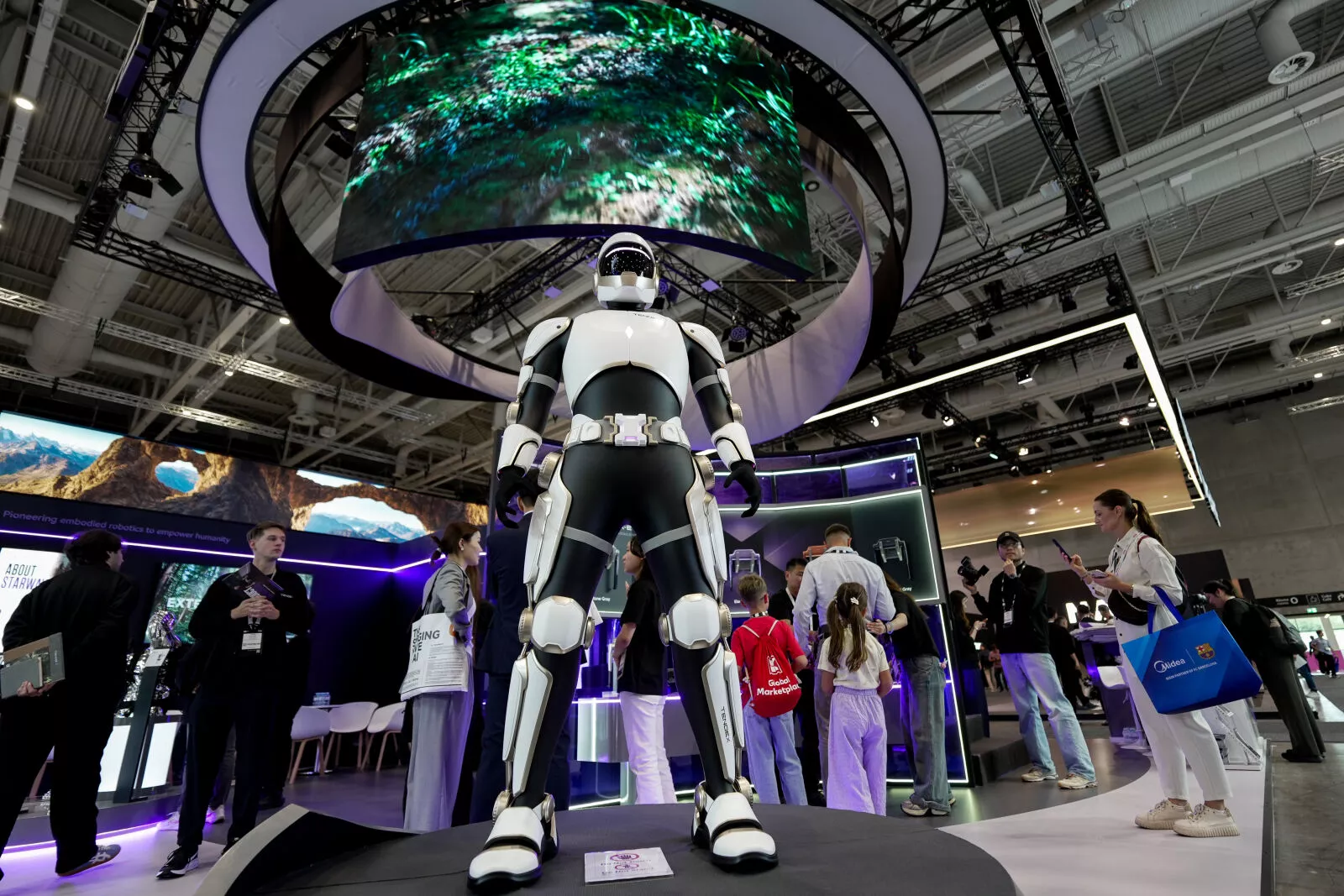
Beyond the awards stage, IFA 2026 leaned hard into AI moving off screens and into physical products, smart appliances, cars and robots. Chinese manufacturers dominated the floor: TCL marked its 16th straight year at the show with a booth over 2,600 square meters, alongside Hisense, Haier, DJI and Xiaomi, which showed off its SU7 vehicle. More than 1,900 brands exhibited across the five days.
Smaller and mid-size brands used the same stage to fight for attention. Rugged-phone and power-storage maker Oscal, for instance, filled its booth with balcony solar storage systems and thermal-imaging smartphones, betting that presence at Europe’s largest consumer tech fair builds credibility even without a trophy.
What it signals for marketers
The split between the winners and the wider floor is the real takeaway. A challenger brand can turn an unglamorous health product into its most talked-about launch, and an established one can use six years of quiet co-engineering to leapfrog into a new category. Both bets paid off at IFA. The brands that showed up just for volume mostly didn’t.








