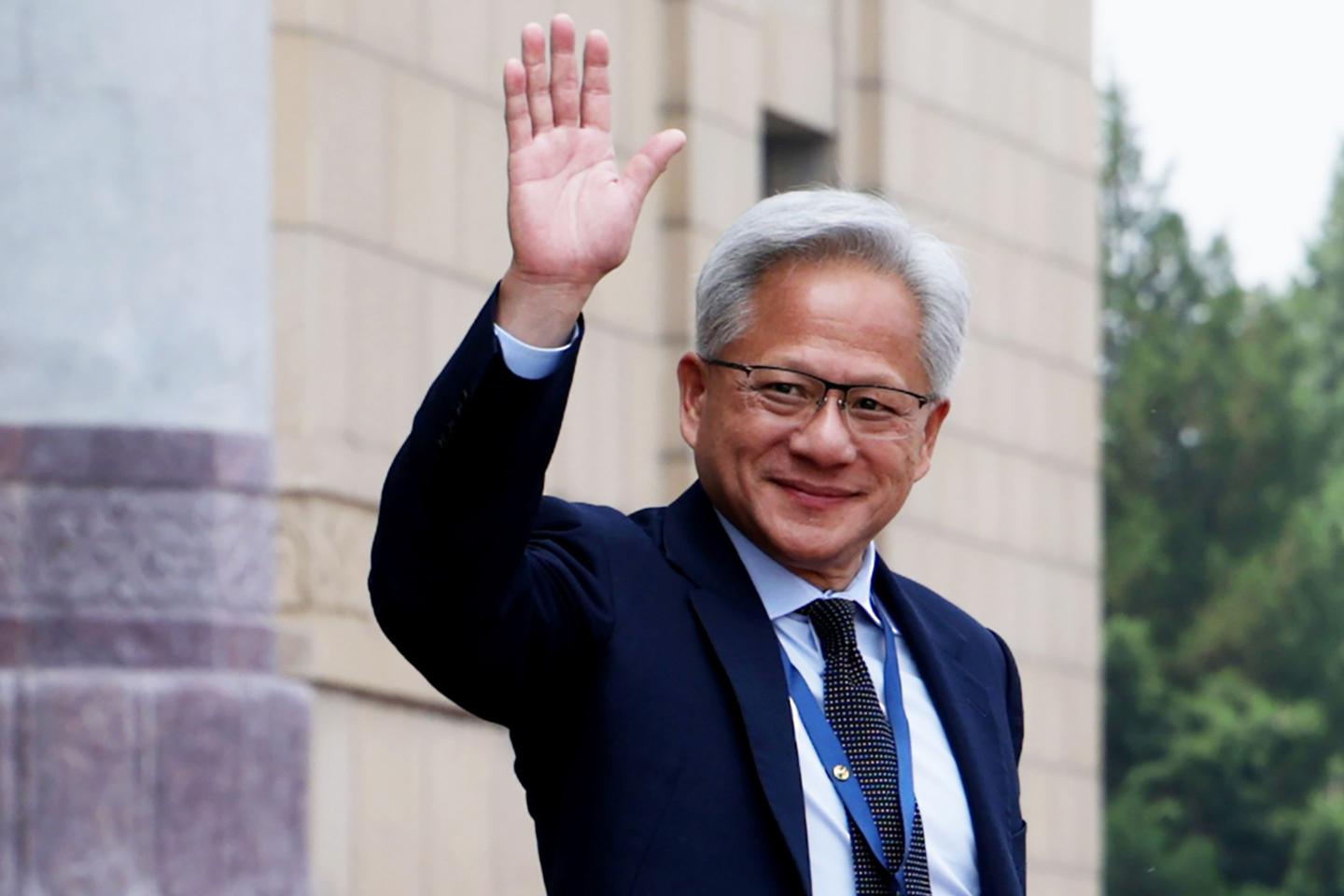
Jensen Huang used one of the industry’s biggest stages to make his case against AI regulation. Speaking at Salesforce’s Dreamforce conference on September 15, the Nvidia CEO told the audience that AI safety belongs to engineers, not lawmakers.
“Safety is an engineering problem, not a legal one,” Huang said. He described AI systems as fundamentally software, adding, “we’re developing software after all… it’s ultimately a computing system.” His argument: companies already have the incentive to build safely, because a product that fails in the market gets pulled or fixed. “If we’re not confident about the safety of the products, then don’t release it,” he said. “You pace yourself until you are confident you’re releasing something that the market would appreciate.”
The comments extend a lobbying push Huang has run for months. In December, he met with President Trump to oppose the GAIN AI Act, which would require US chipmakers to prioritize domestic buyers before selling advanced AI chips abroad. He called the bill “even more detrimental to the United States than the AI Diffusion Act” and praised lawmakers for stripping it from the National Defense Authorization Act. He has also pushed back on a separate front: the more than 30 states that have passed or proposed their own AI rules, covering everything from bias testing to disclosure requirements. “State-by-state AI regulation would drag this industry into a halt,” Huang said, warning that a patchwork of standards would force companies to build different products for different zip codes. Trump has echoed that concern and backed a national standard that would override state laws, though Congress has not yet written one into law.
Huang’s position matters because Nvidia sits at the center of the AI economy. The company supplies the chips nearly every major AI lab and cloud provider depends on, which gives its CEO unusual weight in Washington. But not every tech leader agrees that self-regulation is enough. At the All-In Summit, Microsoft CEO Satya Nadella argued that safety standards need to apply everywhere, including in China, since every country faces the same underlying cybersecurity risks.
The disagreement sits at the center of a live policy fight. Congress has yet to settle whether AI oversight should sit with the federal government, the states, or the industry itself, and the outcome will shape how fast companies can ship new models and how much scrutiny they face when something goes wrong. With state legislatures reconvening and a possible federal preemption bill still on the table, Huang’s Dreamforce remarks read less like a one-off comment and more like a preview of the argument Nvidia plans to keep making in Washington.