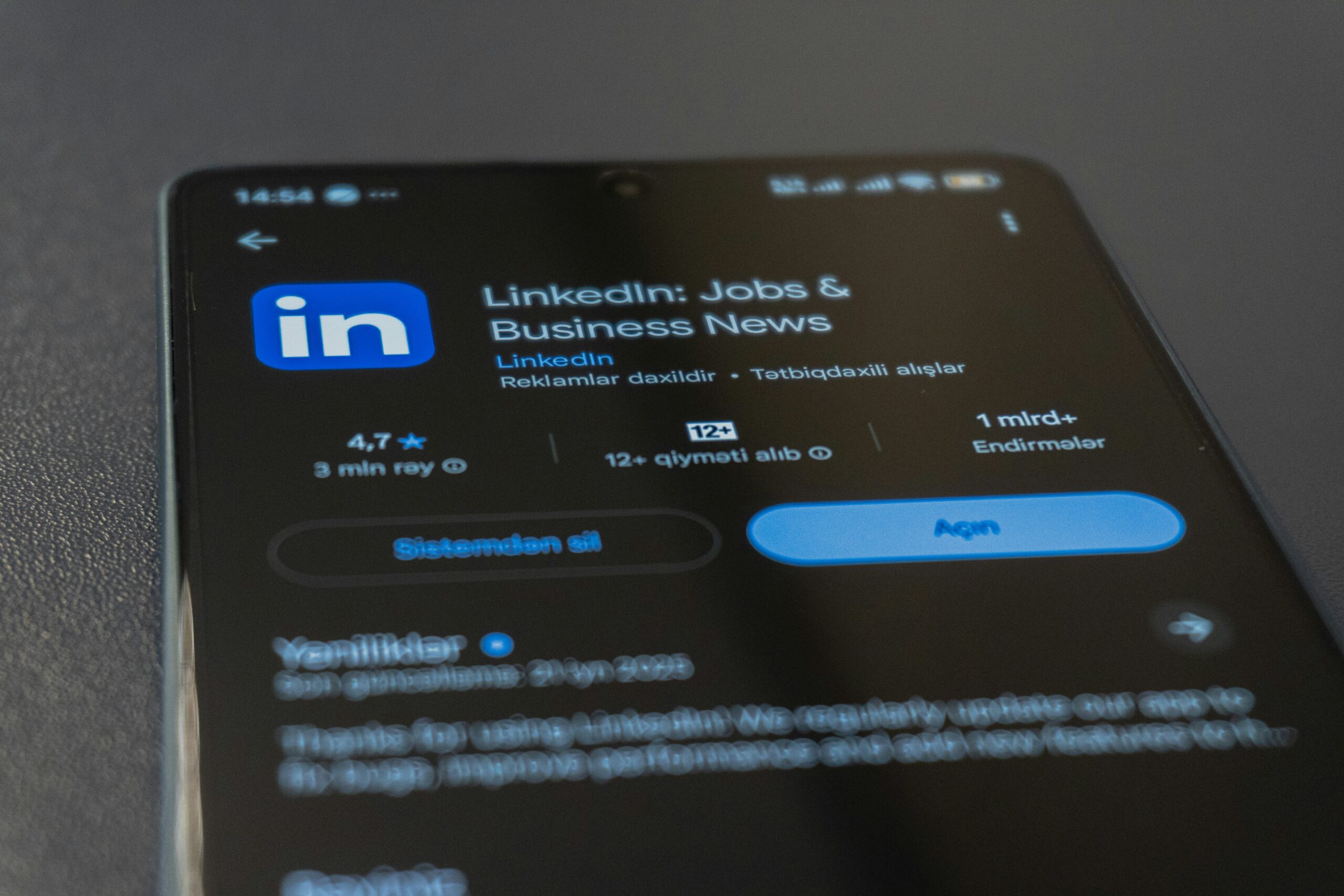
A new trend has appeared online, and it is being called LinkedIn time travel. The practice involves users retroactively editing the titles and descriptions of past jobs so they look more qualified and more appealing to employers. According to a joint report from the National Bureau of Economic Research and Revelio Labs, which examined tens of millions of profiles, the phenomenon is happening at considerable scale.
The study found that almost a fifth of users, 19.7%, change a job title or a set of responsibilities long after leaving the position. On average, that change comes four years after the person left. Keywords related to artificial intelligence are being added to profiles so candidates fit current demand, while terms tied to diversity, equity and inclusion are disappearing.
The trend is especially pronounced among people under 30, where the figure reaches 38.1%, driven by intense competition in the labour market. The data also varies by profession. Changes appear in 56.6% of profiles in AI leadership, design and qualitative research, and among UX researchers the number climbs to 59.2%. By education level, MBA holders are the most active at 29.3%. In medicine the figure is minimal, with chiropractors at just 3.3% and dental surgeons and orthodontists at 2.4%.
According to Stanford University researcher Gideon Moore, this process goes beyond a standard resume update. What is being added are responsibilities that did not actually exist at the company during that period. For example, past work such as building recommendation systems gets relabelled as an artificial intelligence engineering role because of the demand that has since emerged in the market. Responsibilities could not have changed in the past. The only thing that changes is how a candidate sells themselves today.
The edits reflect the present moment. Artificial intelligence terminology is rising, while words connected to inclusion are falling sharply. That trend coincides with the period of President Donald Trump’s administration and the executive orders it issued, which treated such programmes as discriminatory in part and pushed them outside the scope of federal contracts. When job seekers see demand in that area declining, they remove the terminology from their profiles.