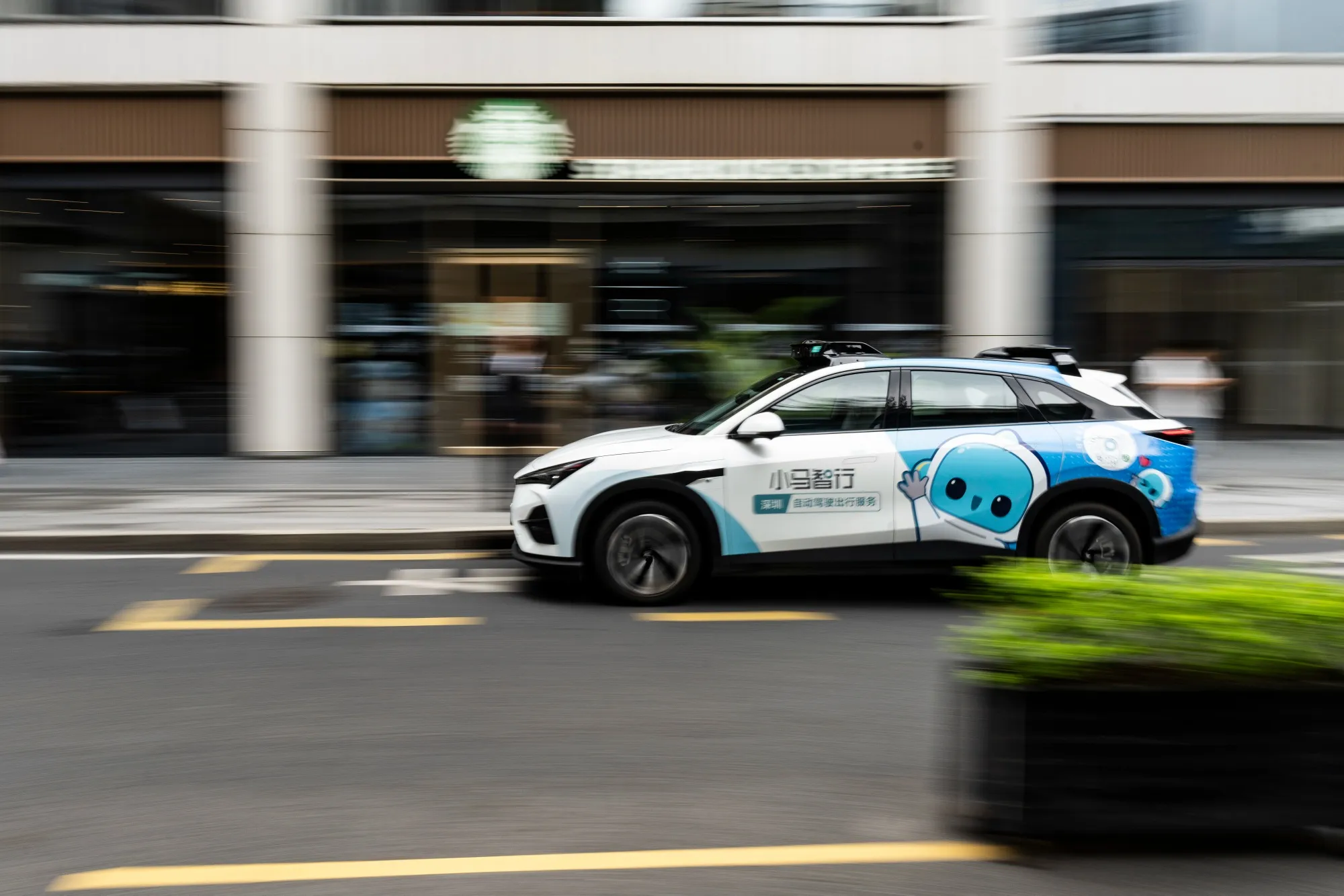
Uber and Pony.ai bring robotaxis to London
The pair start testing Pony.ai’s Gen-7 driverless cars on London streets in the coming weeks, which adds to a crowded race to take over the city’s ride-hailing.
Uber and Chinese autonomous vehicle company Pony.ai plan to launch a robotaxi service in London. It’s the latest step in a growing partnership to bring driverless cars to Europe.
The companies say testing of Pony.ai’s Gen-7 robotaxis begins in the capital in the coming weeks. They haven’t given a date for a commercial launch.
From the Gulf to Zagreb to London
Uber and Pony.ai first teamed up in May 2025, starting in the Middle East. The deal has since grown into a European plan to deploy 2,000 robotaxis, beginning in Zagreb, Croatia.
That service has been live since August with a third partner, Verne, a startup founded by Rimac Group CEO Mate Rimac. The work is split three ways:
- Pony.ai supplies the self-driving system and the Arcfox Alpha T5 vehicle, built with Chinese automaker BAIC.
- Verne owns and operates the fleet.
- Uber connects it all to its ride-hailing network.
London is expected to follow a similar model. The companies haven’t yet said who will own and run the fleet there.
Uber’s play: partner with everyone
Uber isn’t building its own self-driving technology. Instead, it has signed deals with more than 30 autonomous vehicle companies over the past few years. It expects to offer AV trips in up to 15 cities by the end of 2026, split roughly evenly between the US and international markets.
That approach means Uber often backs competing players in the same city. In Dubai it has separate robotaxi deals with both Baidu and WeRide. London is shaping up the same way.
A crowded London starting grid
UK startup Wayve is also planning its own robotaxi service in London, and Uber has a stake there too. Wayve has raised $1.2 billion this year from investors including Microsoft, Nvidia and Uber. Another $300 million from Uber, tied to Wayve putting robotaxis on the road starting in London, could take the round to $1.5 billion.
Pony.ai is also a partner of and investor in Wayve. So in London, the two companies are partners and rivals at the same time.
Why it matters
For Uber, London is a test of its “network, not hardware” strategy in one of the world’s most valuable ride-hailing markets. Whoever’s car turns up, Uber wants to be the app that books it.
For Pony.ai, which runs robotaxi services in four Chinese cities and is expanding into Qatar, London would be its most high-profile Western launch yet. It would also make it one of the first Chinese AV companies to operate on British roads.
Source: TechCrunch