A stacked autumn release slate, headlined by GTA VI, Call of Duty and Marvel’s Wolverine, is about to concentrate an enormous amount of cultural attention in one place. For brands, that’s the opportunity and the problem.
The most crowded entertainment window of 2026 is landing this fall, and it isn’t happening on screens Hollywood controls. It’s happening on consoles.
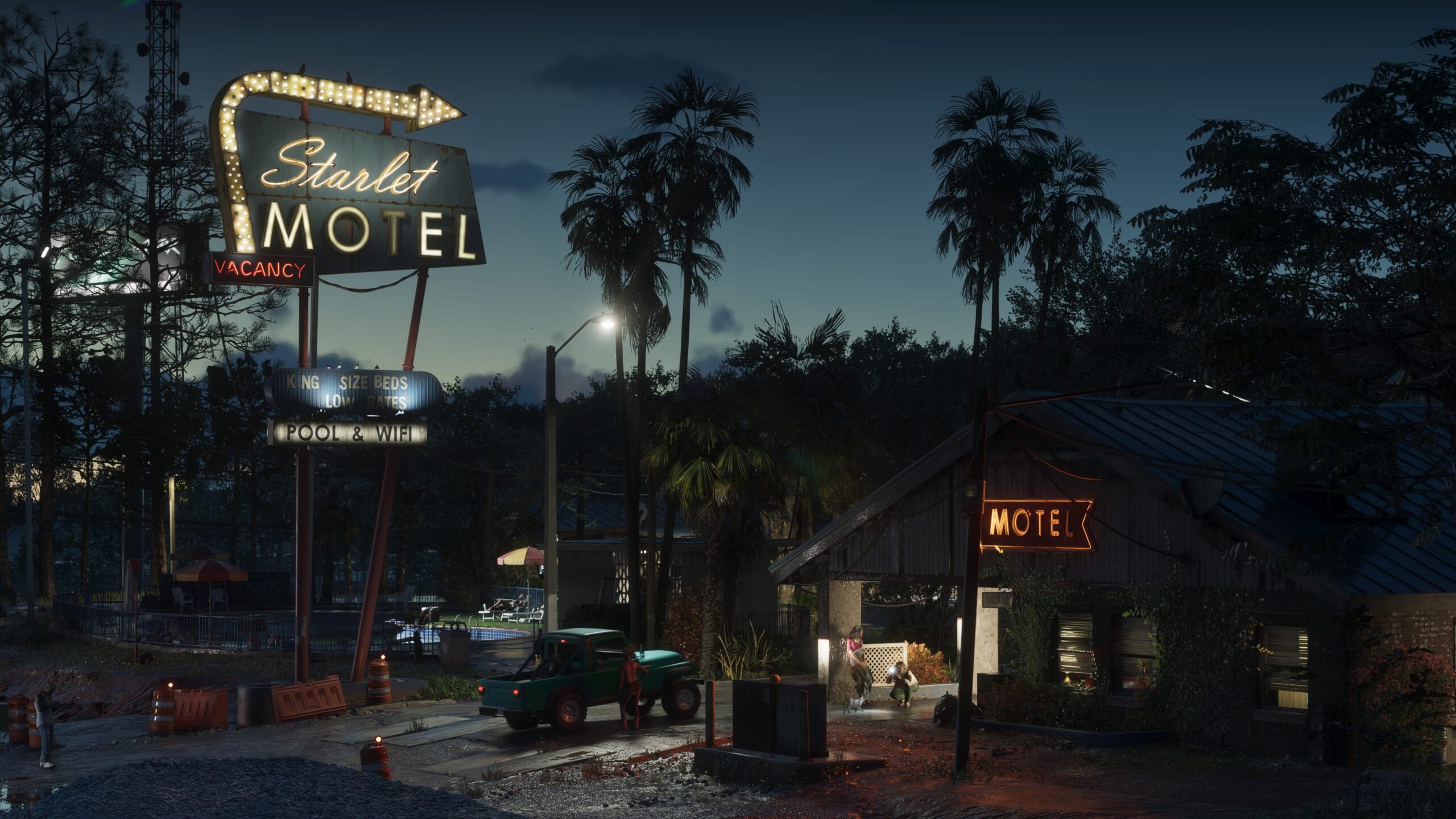
Between early September and late November, the games industry is stacking blockbuster on top of blockbuster. Capcom revives Onimusha after two decades away on September 4. Marvel’s Wolverine, from the studio behind the acclaimed Spider-Man games, arrives September 15. Silent Hill and Control both return with new installments on September 24. Call of Duty: Modern Warfare 4 ships October 23. And then, on November 19, after a decade of development and repeated delays, comes Grand Theft Auto VI, the closest thing the entertainment business has to a guaranteed cultural event.
For marketers, that calendar is worth studying, because attention is the whole game and this slate hoards it. A major release no longer just sells copies. It commands tens of millions of hours of concentrated, opted-in engagement, the kind of sustained attention that television ratings and social feeds increasingly struggle to deliver. GTA VI alone is expected to pull a global audience that dwarfs most tentpole film openings, and its recent extended trailer was heavy enough to reportedly strain Twitch and Netflix. That’s an audience brands can’t reach at that scale almost anywhere else.
The catch is that games are a hard room to enter. Players are notoriously quick to punish clumsy brand intrusion, and the medium doesn’t tolerate the interruptive logic that built TV advertising. The tie-ups that land tend to live inside the experience rather than around it, think in-game items, co-created content, or cultural moments built with the fanbase rather than bolted onto it. Recent gaming collaborations from McDonald’s and others have worked precisely because they gave players something to use, not just something to watch.
The fall slate also complicates the timing math. With this many heavyweight launches compressed into a few weeks, the surrounding marketing air gets thin. Every publisher is buying attention in the same window, and any brand hoping to ride alongside a release is competing not only with rival advertisers but with the games themselves, each pouring enormous sums into their own campaigns. GTA VI’s marketing machine will suck oxygen out of November the way a major film franchise dominates a holiday box office.
There’s a streaming dimension worth watching, too. Rockstar routing its GTA VI showcase through Netflix first was a signal that games and streaming platforms are increasingly fishing in the same pond for the same eyeballs, and that the lines between game launch, entertainment event and media property are blurring. As platforms like Netflix push deeper into gaming, the autumn slate becomes a test of who can turn a release into an audience they keep.
None of this is niche anymore. Gaming has long since outgrown its status as a category marketers could safely treat as optional, and this fall makes the point with unusual force. The brands that show up thoughtfully, with something players actually want, stand to borrow from the biggest attention engine of the season. The ones that treat it like another ad slot will find out quickly that this audience notices, and doesn’t forgive.