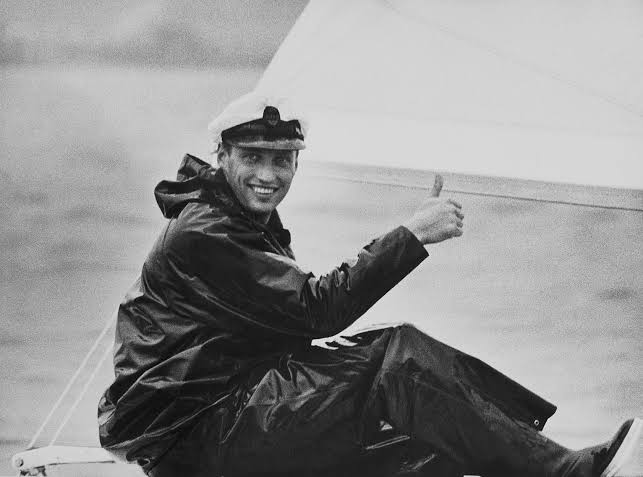
There is a photograph Norwegians love of their late king, and it shows him at the tiller of a sailboat, weathered and squinting into the wind, looking like any other man who has spent his life on the water off the Oslo fjord. He raced in three Olympics. He kept sailing into his eighties. That image, the monarch who would rather be judged by how he read the wind than by the crown he wore, sits close to the center of who he was.
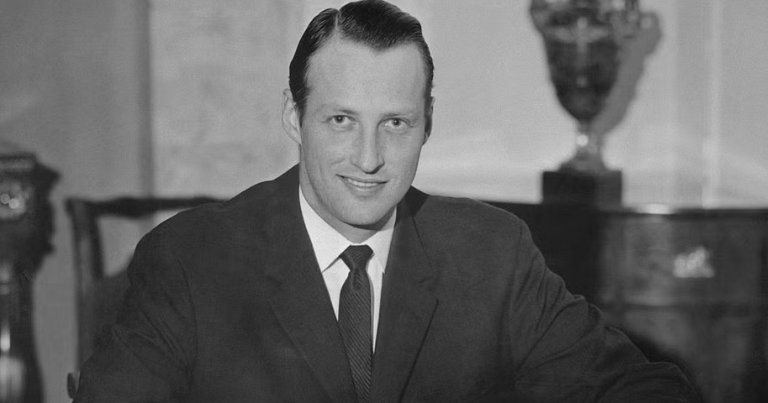
Harald V, who died three days ago at 89 after thirty-five years on the throne, was the rare king who seemed almost embarrassed by the grandeur of the job, and who turned that discomfort into a kind of quiet authority. By the end he was Europe’s oldest reigning monarch, the steady older figure in a continent of younger royals, and his country mourned him as someone they felt they actually knew.
His life was shaped early by history at its most brutal. He was born in 1937, and when Nazi Germany invaded Norway in 1940 the royal family had to flee. Harald spent much of the war as a small boy in exile in the United States, while his father and grandfather became rallying points for Norwegian resistance from abroad. He came home in 1945 to a country that had learned to associate the monarchy with survival and defiance, and that lesson, that a Norwegian king stands with the people rather than above them, stayed with him for life.
The defining choice of his private life became, in its own way, a public statement. As a young crown prince he fell in love with Sonja Haraldsen, a merchant’s daughter with no aristocratic pedigree. For years the relationship was considered impossible, and Harald did something almost unheard of for a European heir. He refused the noblewomen he was expected to marry and, according to the accounts that followed him all his life, told his father he would stay unmarried rather than give her up. He waited nine years. In 1968 he finally married Sonja, and a commoner became queen. Norwegians never forgot that he had chosen love and his own judgment over centuries of protocol. It made the monarchy feel closer to them.
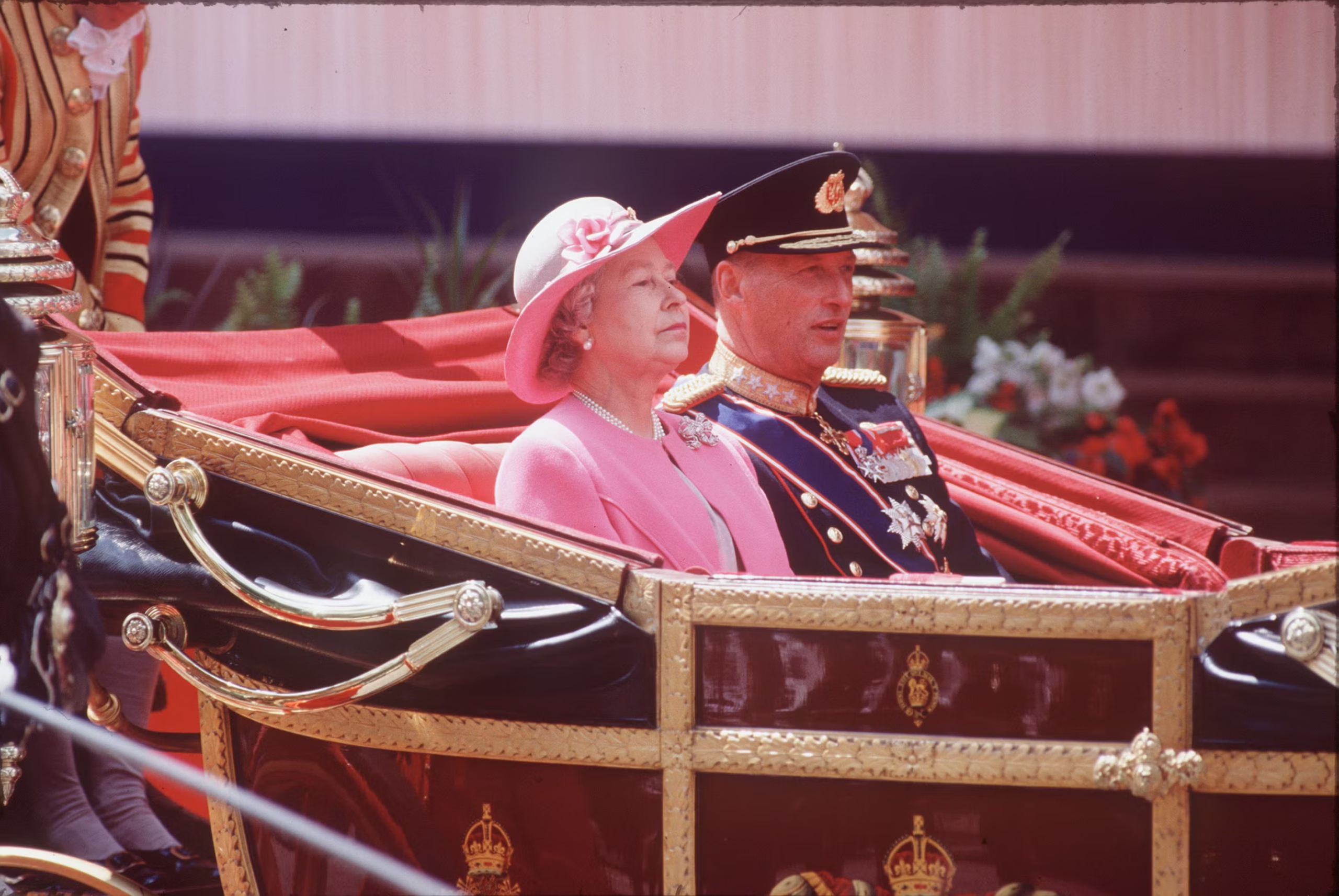
When his father Olav V died in 1991, Harald became king at 53, and he grew into the role with a plainspoken warmth that suited the country. Norway is a democracy where real power sits with an elected parliament and the monarch’s role stays largely symbolic, and Harald understood that his job was mostly moral and emotional, to represent the whole nation to itself. He did it best in his words. In a now-famous 2016 garden speech, he described Norwegians as people who had come from many places, who believed in many gods or none, who loved across old boundaries, and he insisted they were all equally Norwegian. Coming from a king, in a Europe growing anxious about identity and belonging, it landed as something close to a moral stance, delivered gently and unmistakably.
He was also, by temperament, a reluctant royal in the most likeable sense. He made self-deprecating jokes. He spoke candidly about his doubts, including about his own faith, in a way that surprised people used to royal blandness. He carried the ordinary burdens of a long life in full public view: bladder cancer, heart surgery, the slow accumulation of frailty in his final years, hospital stays that the palace reported with unusual openness. Norwegians watched him age the way you watch a grandfather age, with worry and affection, and he seemed to accept their attention as part of the bargain.
His last years carried some shadow. The wider royal family was touched by controversy and scandal that tested public patience, and Harald reigned through it as the steadying presence, the fixed point people trusted while other parts of the institution wobbled. That may be the quiet achievement of his reign: through decades of change, through his own failing health and his family’s difficulties, he kept the Norwegian crown feeling humble, human, and genuinely loved.
He is succeeded by his son, now King Haakon VIII, and one day by his granddaughter Ingrid Alexandra, who will become Norway’s first queen regnant in centuries. What Harald leaves them is a template for how to wear the crown, a way of being royal that looks a great deal like being decent. Prime Minister Jonas Gahr Støre said the country was united in grief and gratitude, and that Harald had helped Norwegians see the best in themselves and in one another.
For a man who mostly wanted to be out on the water, judged by the wind and the sail, it is a fitting thing to have left behind. He made a nation feel that its king was, at heart, one of them. That is harder than it sounds, and rarer than it should be.