Fall doesn’t start with the equinox anymore. It starts with a press release.
On August 25, Starbucks confirmed what its loyalty app had already been teasing for weeks: the Pumpkin Spice Latte was returning for its 23rd year, backed by the biggest seasonal lineup the chain has run in recent memory. The official announcement wasn’t really about the coffee. It read like a product launch — because that’s what it was.
The lineup
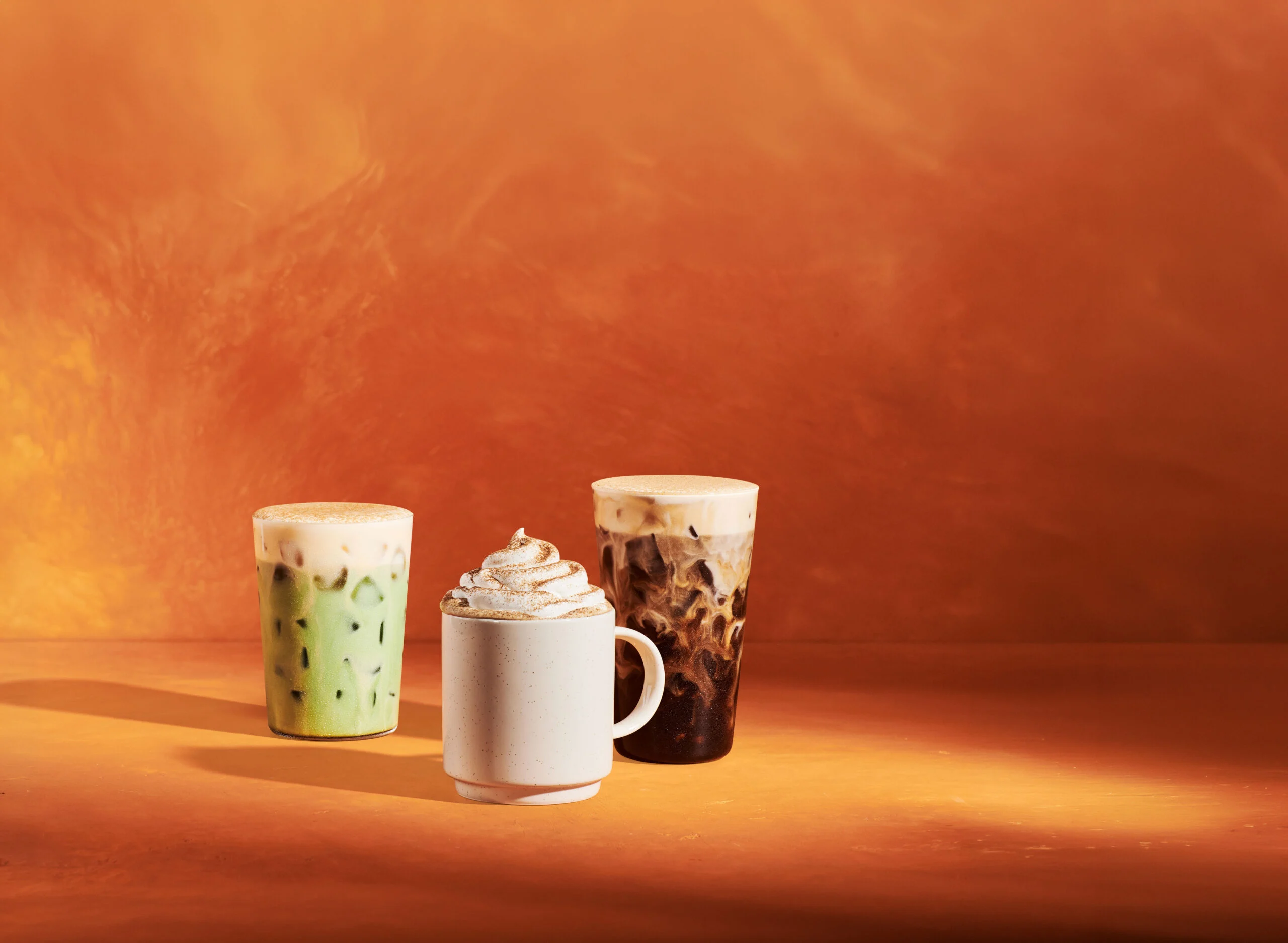
Alongside the classic PSL, Starbucks brought back Pumpkin Cream Cold Brew, Iced Pumpkin Cream Chai, and the Pumpkin Spice Frappuccino, then layered in a run of new drinks: Iced Pumpkin Cream Shaken Espresso, Iced Pumpkin Cream Matcha, Pumpkin Spice Chai, a Pecan Cortado, two Banana Bread drinks, and a new “Chaider”, chai built around cider-style cinnamon and sweet spice. On the food side: a Hedgehog Cake Pop, a Chicken Bacon Protein Pocket, and the returning Pumpkin Cream Cheese Muffin.
Then came the part that has nothing to do with flavor. Starbucks launched a “PSL Society” merchandise collection, drinkware and a hat built entirely around the drink’s identity, and tapped Martha Stewart and athlete Belmont Cameli to front the seasonal campaign. A coffee didn’t need a celebrity endorsement and its own product line a decade ago. Now it does.
A race with a start line
Starbucks wasn’t even first. Dunkin’ and Panera both launched their pumpkin menus on August 19, nearly a week ahead. Dutch Bros followed in the final week of August, and 7 Brew is set to join on September 1 with its own Magic Pumpkin drink. The order chains launch in has become its own small news cycle — whoever moves first sets the “fall is officially here” narrative that every other chain then has to react to.
The UK tells a different story
Starbucks brought the PSL to the UK on September 3 (Rewards members got early access from August 27), priced from £4.70, with a Maple Pecan Macchiato and Iced Apple Crumble Matcha Latte added to the UK-specific lineup.
Costa Coffee, Starbucks’ biggest UK rival, launched its own autumn menu the same week, and pointedly skipped the pumpkin trend. Its headline addition this year is a “Maple Hazel” range, including a new Maple Hazel Iced Matcha Latte, built around maple and roasted hazelnut rather than pumpkin spice. It’s a small but telling divergence: while the US market treats pumpkin spice as non-negotiable autumn branding, Costa is betting UK customers will follow a different flavor story entirely. Pret A Manger still lists a Pumpkin Spice Latte on its UK menu, keeping at least one major chain in the pumpkin camp.
Pumpkin spice stopped being a flavor trend years ago, it’s a case study in manufactured seasonality. Every element of this year’s rollout follows brand-marketing logic rather than food logic: staggered competitive launch dates that generate a week of sequential press coverage, a merchandise line that turns a drink into a wearable identity, celebrity partnerships that put a coffee alongside a lifestyle brand, and loyalty-app early access that rewards the highest-intent customers first. Costa’s maple pivot adds a second layer — proof that even “obvious” seasonal trends aren’t universal, and that regional brands are willing to bet against a trend this established if it means owning a different lane.