Long before cats became the unofficial mascots of the internet, artists were already fascinated by them. They appear as sacred figures in ancient Egypt, supernatural creatures in Japanese folklore, companions in domestic portraits, comic intruders in illustrated manuscripts and, eventually, stars of photography, contemporary sculpture and memes. Few animals have moved so easily between reverence and ridicule.
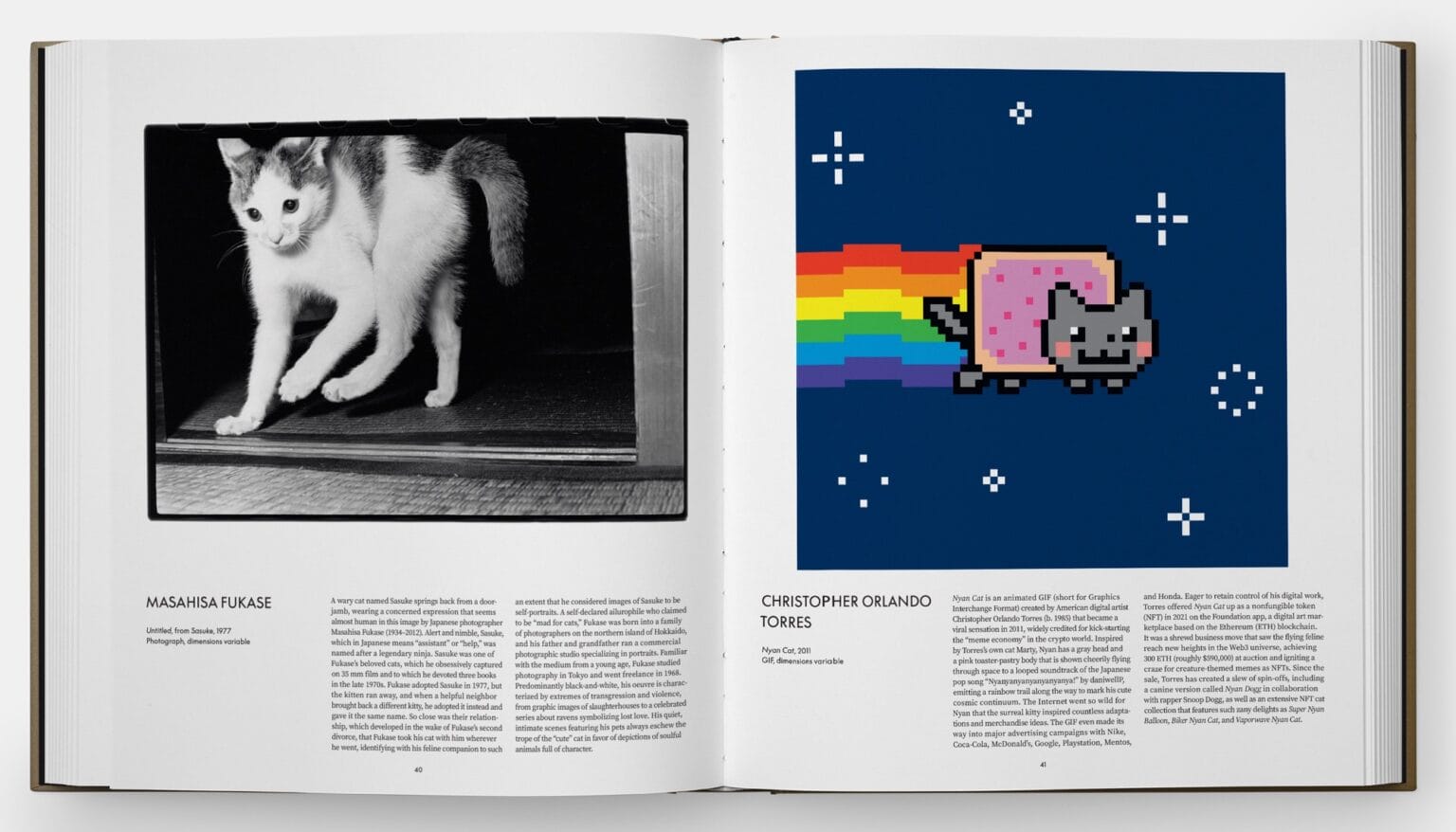
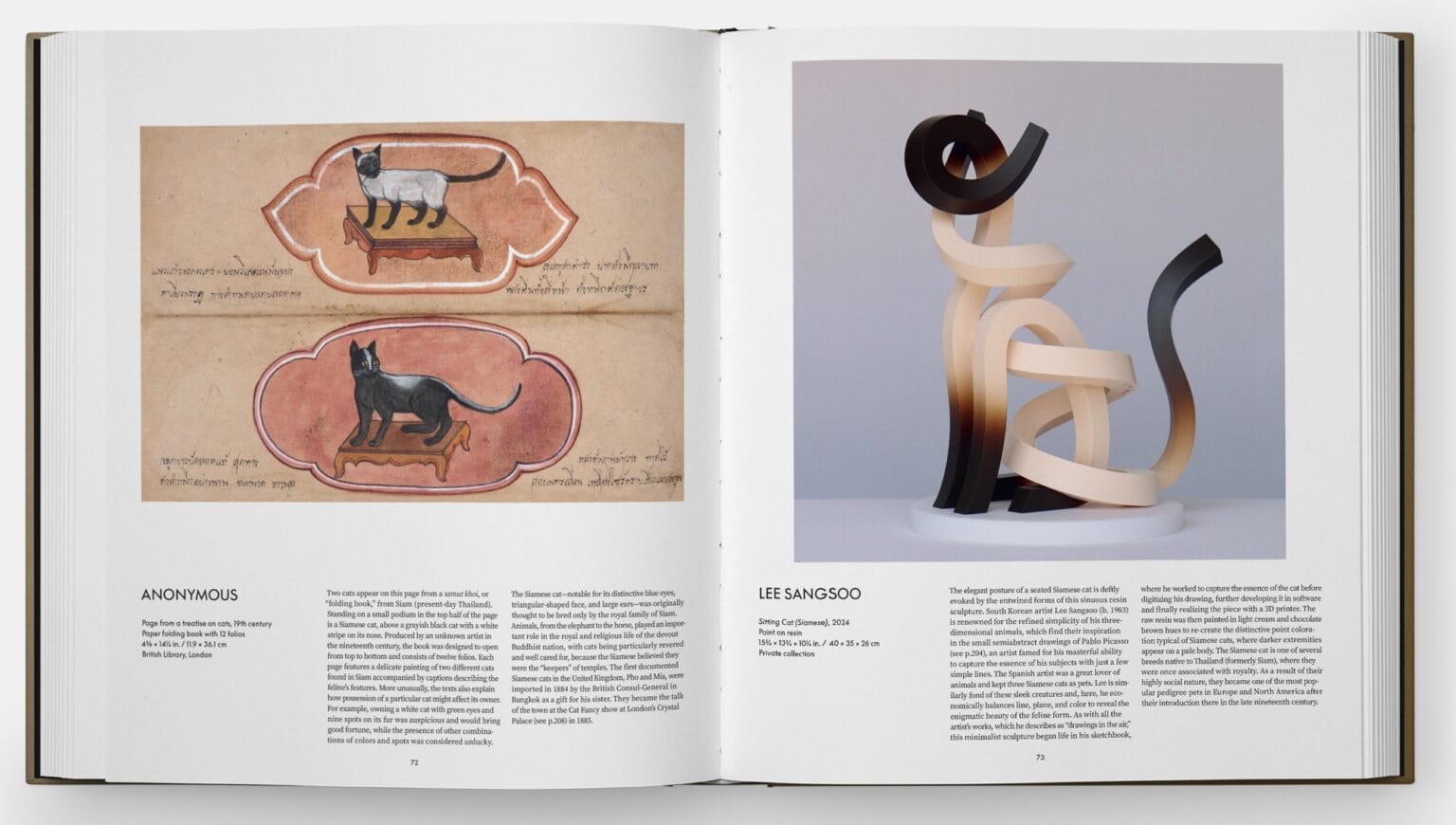
A new book from Phaidon, Cat, traces that long and surprisingly varied visual history. Rather than focusing on one period or style, the volume brings together depictions of cats from across centuries, cultures and media, showing how consistently artists have returned to the same animal while seeing something different in it each time.
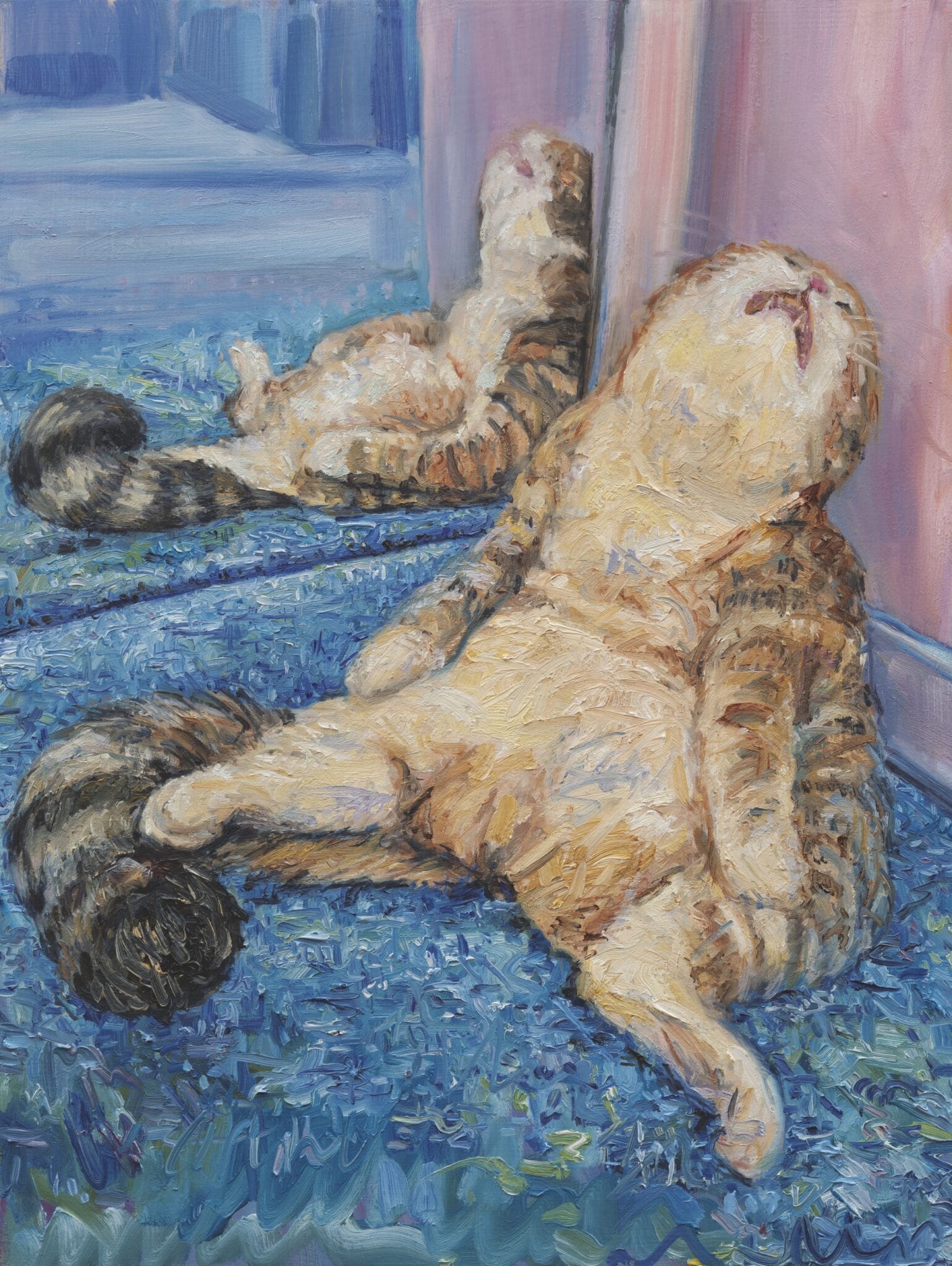
Part of the appeal may be the cat’s resistance to a single meaning. In ancient Egypt, cats could carry divine associations. In Japanese folklore, feline figures could become mysterious or supernatural. In Europe, their role changed gradually as they moved from practical mousers to valued household companions. By the 18th and 19th centuries, cats were increasingly treated as pets in their own right, worthy of portraits, sentimental images and public fascination.
An 1835 British newspaper advertisement, for example, promoted the chance to see a tortoiseshell cat more than three feet long at a London tavern, describing the animal as an extraordinary curiosity. The impulse feels surprisingly familiar: a remarkable cat, a fascinated audience and a story worth sharing.
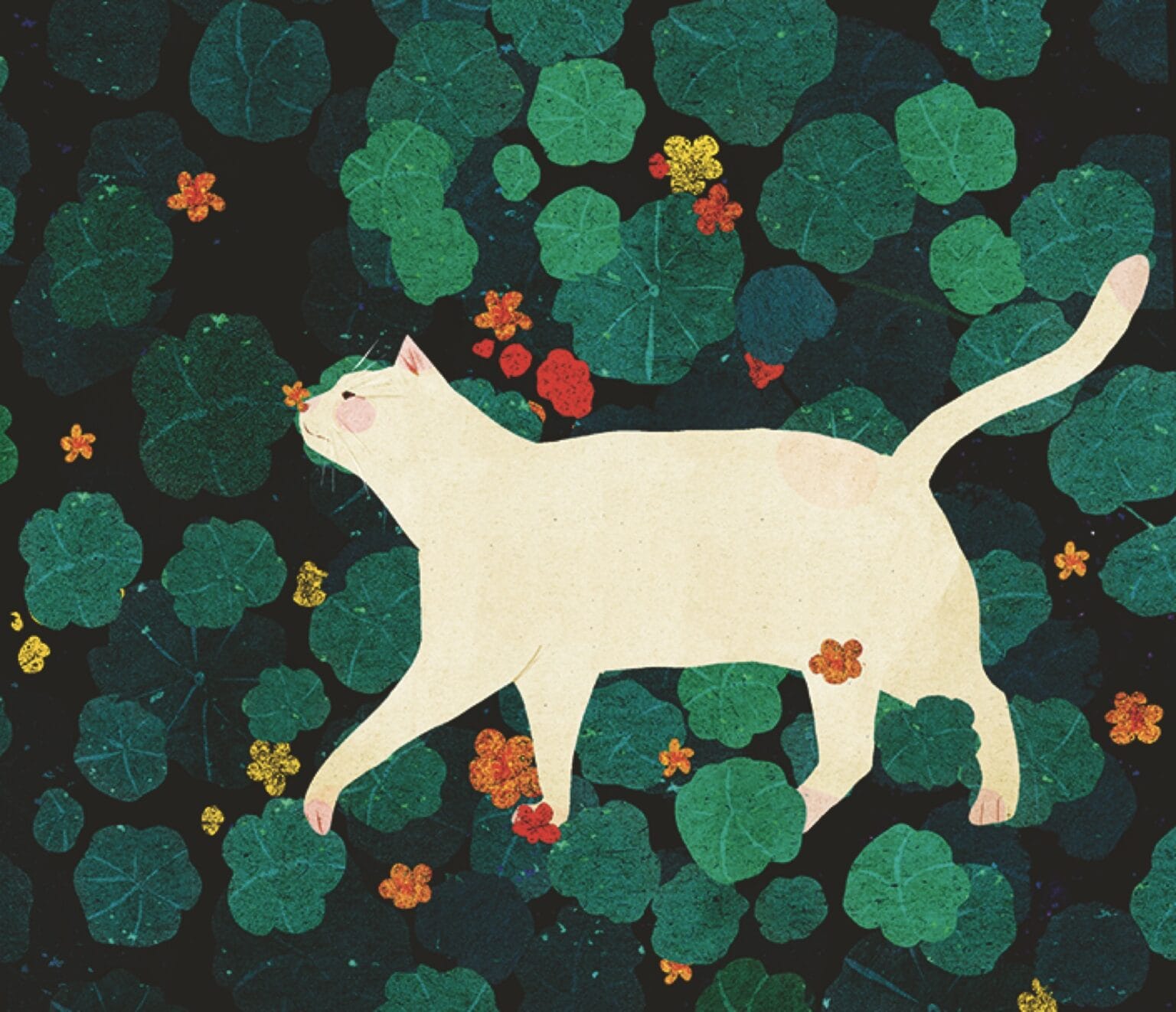
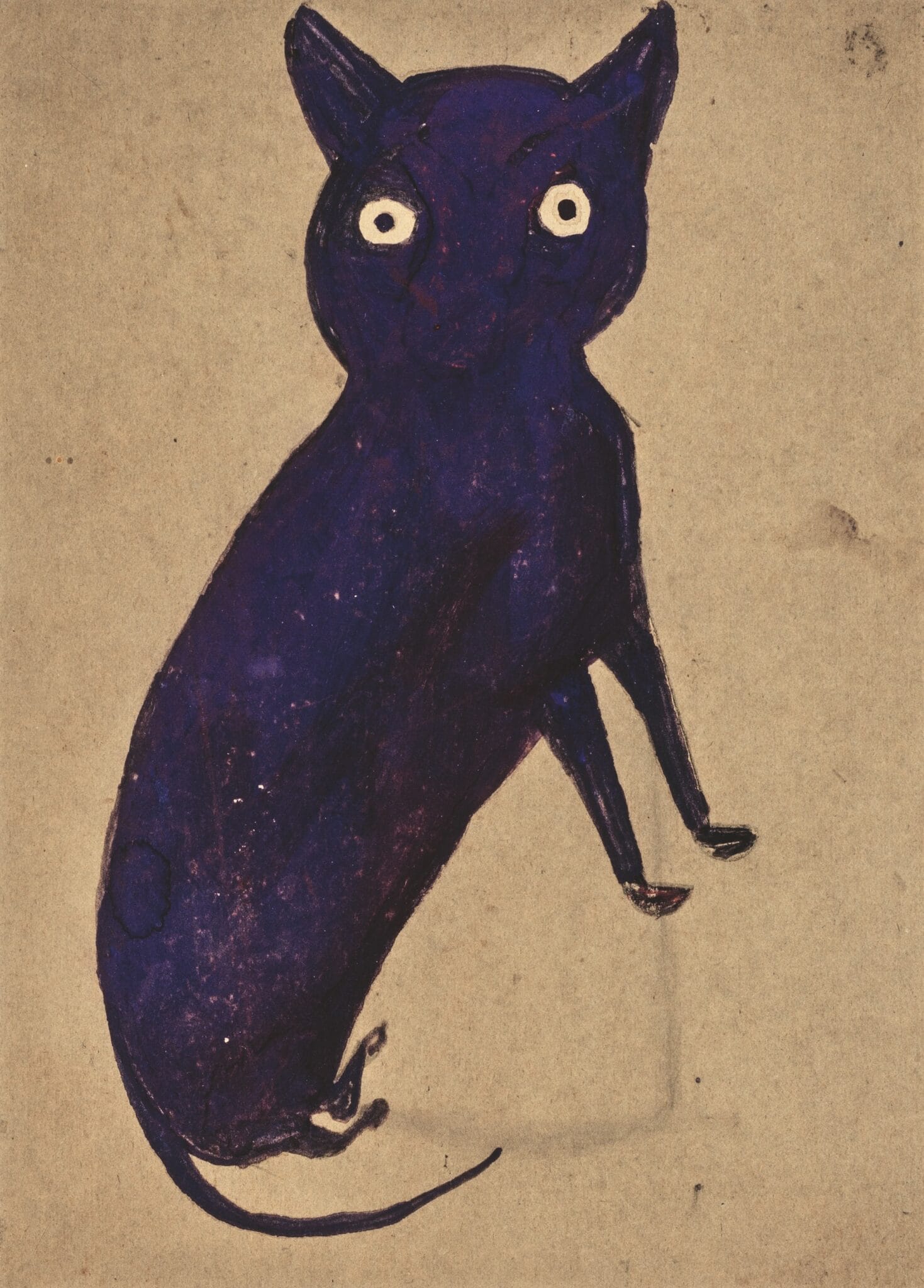
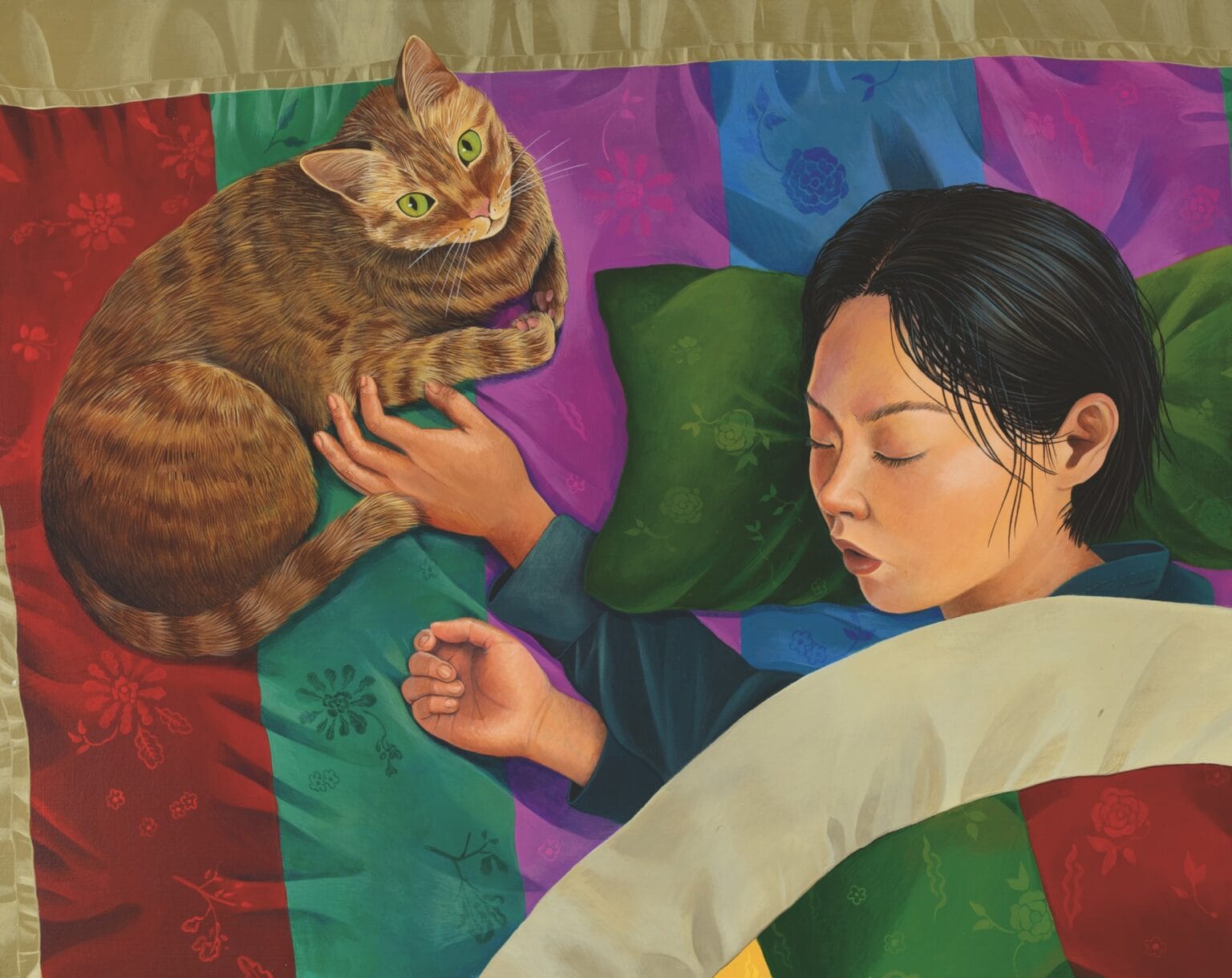
That same mix of admiration and amusement runs through Cat. The book moves from medieval manuscripts and Japanese woodcuts to modern painting, sculpture, illustration and digital art. Works by artists including Utagawa Hiroshige II, Bill Traylor, Sally J. Han, Xuan Loc Xuan and Andy Holden sit alongside one another despite being separated by centuries.
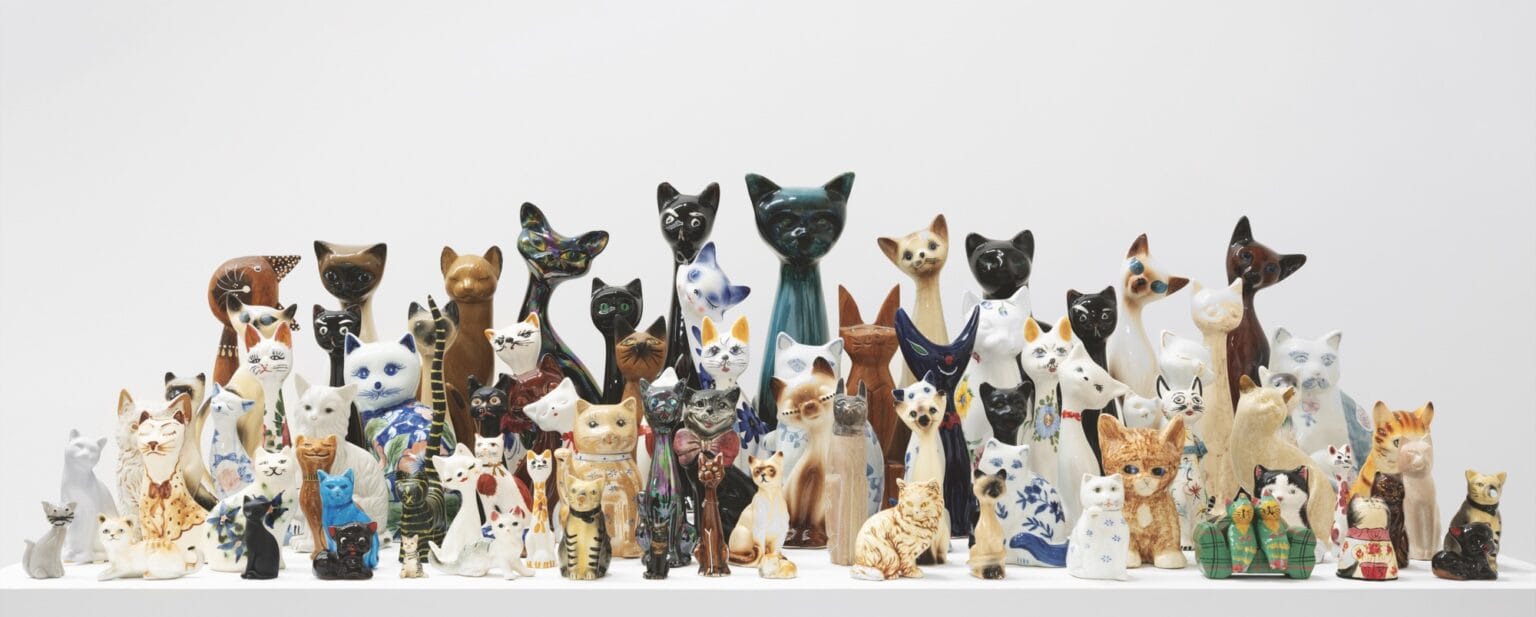
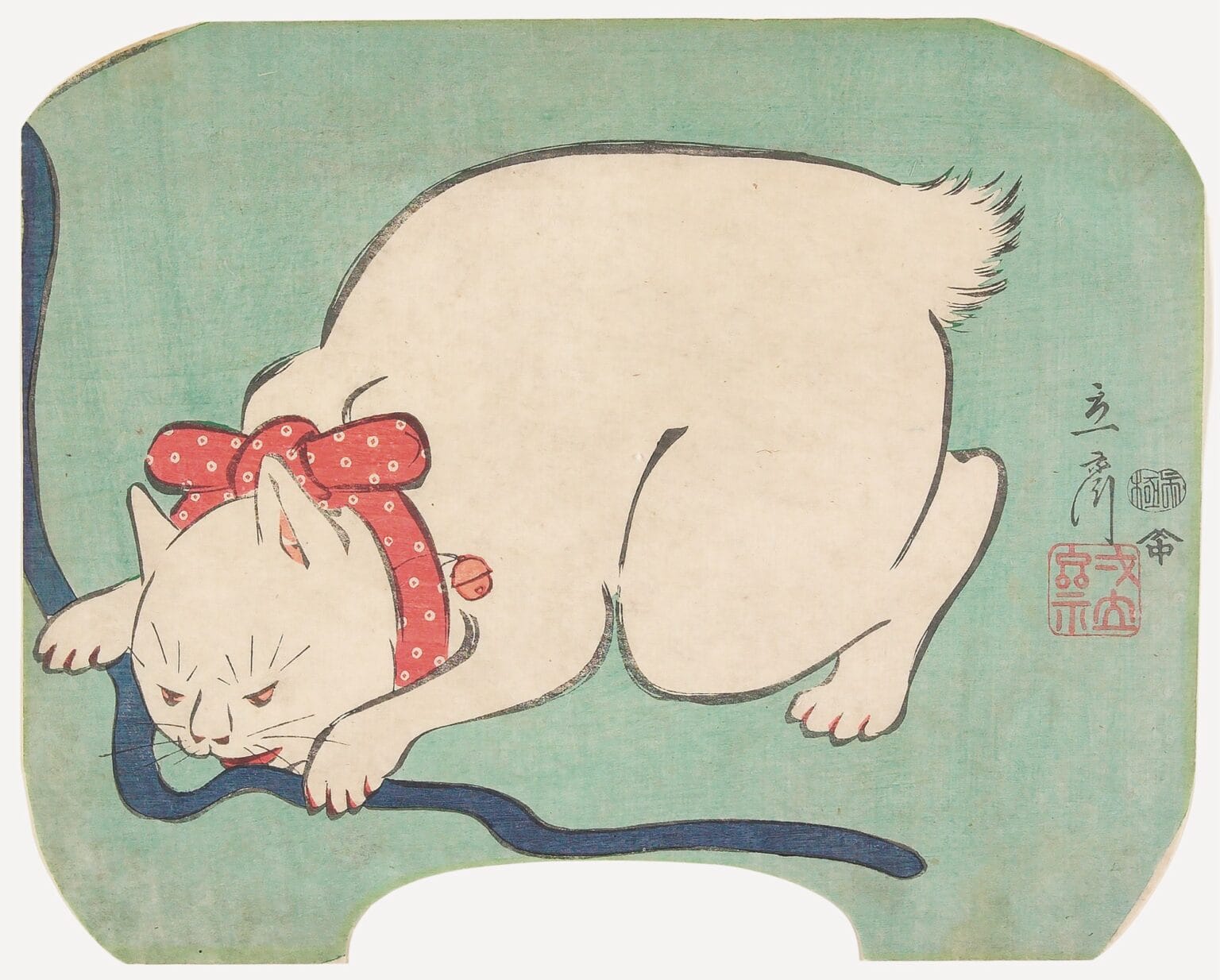
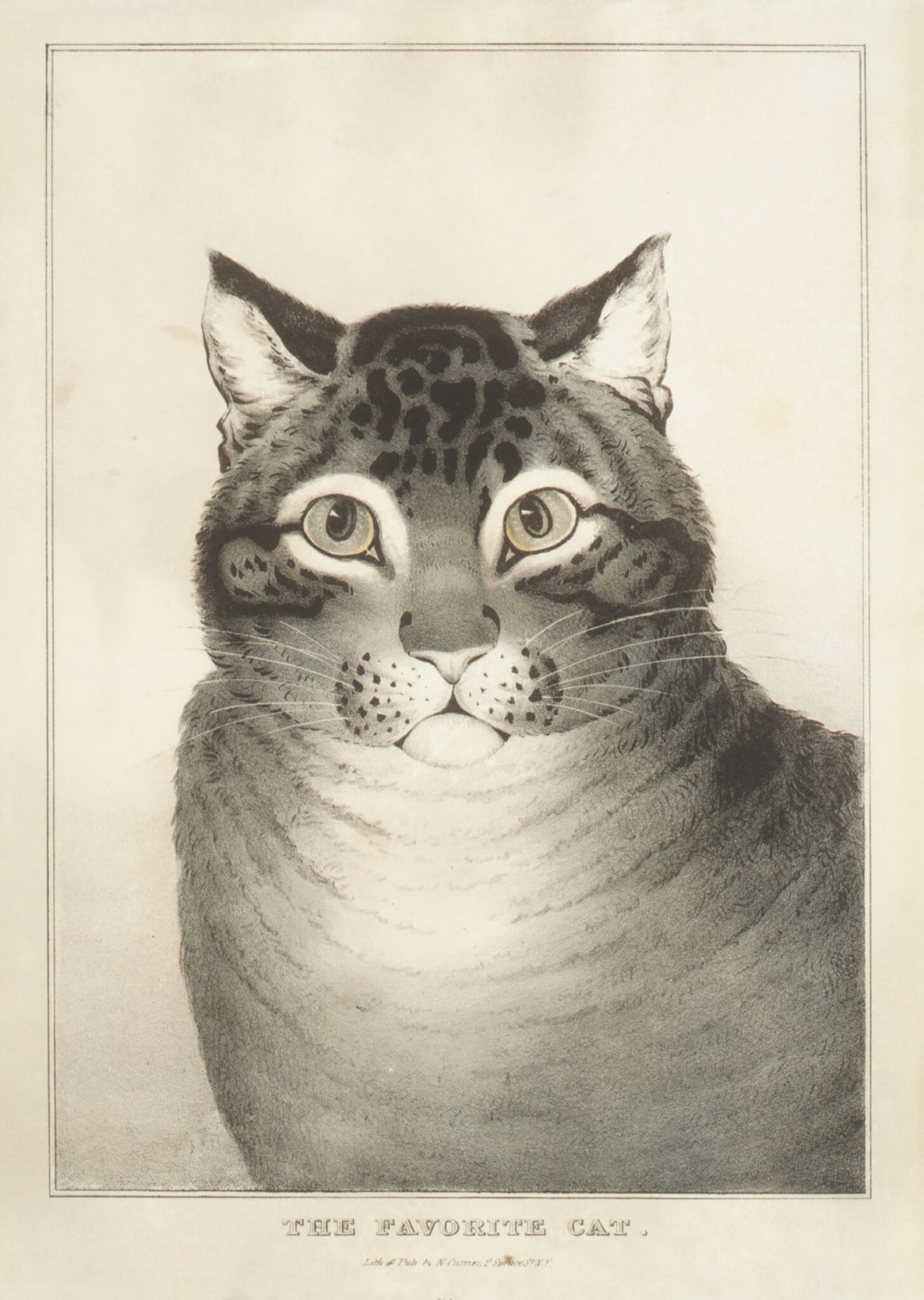
Hiroshige’s 1863 woodcut A White Cat Playing with a String captures a small domestic moment with remarkable economy. Nathaniel Currier’s 19th-century The Favorite Cat reflects the growing place of the animal inside the home, while contemporary works push the subject into more playful territory. Xuan Loc Xuan’s digital Nasturtium Cat places a white cat among flowers with the softness of an illustrated dream, while Andy Holden’s Cat-tharsis assembles 90 cat figurines into a work that feels both obsessive and knowingly absurd.
That absurdity is important. Cats have an unusual ability to retain their dignity while doing something completely ridiculous, a quality artists have exploited for centuries and social media later turned into an endless cultural resource.
The internet did not invent our fascination with cats. It simply gave that fascination an enormous distribution system.
What changes across the works in Cat is the context around the animal. The cat itself remains strangely recognizable. It can look aloof, affectionate, theatrical, lazy, elegant or mildly annoyed, sometimes within the same image. Human attitudes toward cats have shifted dramatically, but their visual personality has proved remarkably stable.
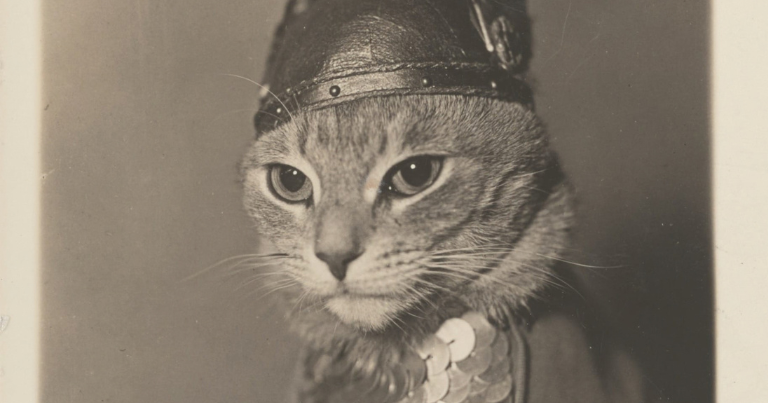
That may explain why a medieval cat scratching through the margins of a manuscript can feel unexpectedly close to a photograph posted online today. The technology, culture and artistic language have changed; the behavior has not.
Phaidon’s Cat ultimately works as more than a collection of feline imagery. It also shows how one animal has followed humans through changing ideas about religion, domestic life, humor, beauty and companionship.
Centuries before the first cat meme, artists had already understood the basic formula: put a cat in the frame and people will look.