A quiet listening bar in London’s Clerkenwell district, Space Talk, built its entire identity around sound. Before opening in 2024, its owner brought in an architect, a designer, and a sound engineer to get the acoustics right. The result is a space shaped like the deck of a wooden spaceship, split into four zones, where guests sip cocktails while a custom sound system plays curated electronic music.
Space Talk is part of a growing wave of bars worldwide taking cues from Japan’s ongaku kissa, or music cafés, better known internationally as listening bars or hi-fi bars.
The concept dates back to the 1920s, when Japan’s first ongaku kissa let visitors drink tea or coffee while listening to classical, tango, or swing records on gramophones. After the Second World War, jazz cafés took off, offering fans a rare chance to hear imported records and expensive audio equipment they couldn’t afford themselves. These were spaces built for quiet, focused listening.
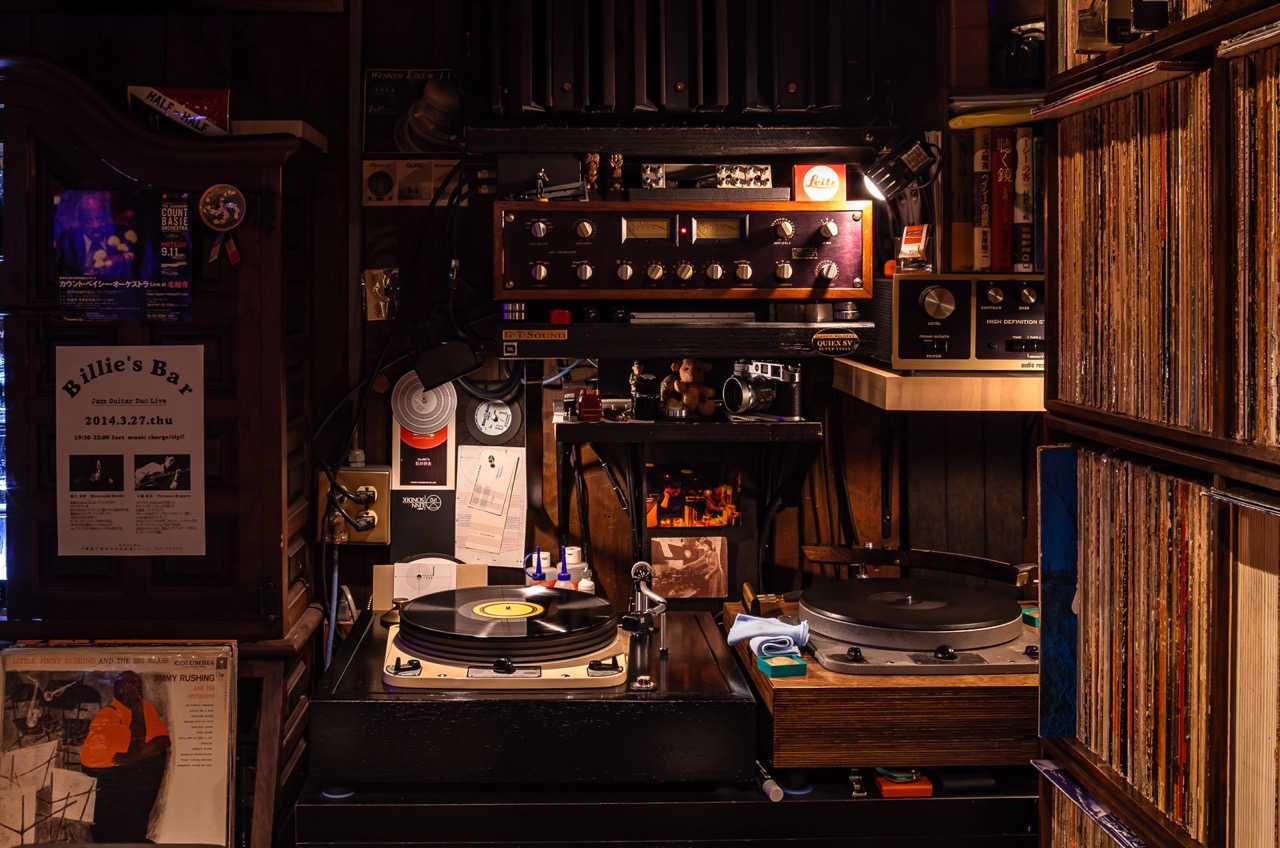
That reverence for sound quality has never gone away. High-end speakers are non-negotiable, and many owners obsess over amps, turntables, and styluses (vinyl remains king, even if gramophones are long gone). Listening isn’t incidental — it’s the point. Many kissa ask patrons to stay silent, with Tokyo bar owner Kawasaki Toshiya comparing the mood to “sitting in meditation at a temple.”
The newer bars springing up across the West, South America, and Africa — most within the last decade — tend to be more relaxed about conversation. Space Talk hasn’t banned chatting but does enforce a “no photos or videos” rule. All Blues, a bar in New York, simply asks guests to “let the music do the talking.” Some venues host events built around a single album or artist.
Nick Dwyer, director of the documentary A Century in Sound, about Tokyo’s music café scene, says what makes this new generation interesting is that owners are putting their “own take” on the format, adapting it to fit cities like London, New York, or Barcelona.
He points to three reasons the model has traveled so well. The first is simply Japan’s cultural pull — a record 43 million foreign tourists visited the country in 2025, and Japan has spent decades establishing itself as a trendsetter across games, fashion, and design.
The second is timing: listening bars offer a stylish, low-key alternative to nightclubs, which are in decline. There’s appeal in enjoying music without the punishing hours — or hangovers — that come with a typical night out.
The third is the sheer variety and craft behind these spaces. Jim Hanmer, co-founder of Jazu, a listening bar in London named after the Japanese pronunciation of “jazz,” made a pilgrimage to Japan to visit several jazz kissa. What struck him was the personal history behind each venue — the sense that you’re listening in a room built around someone’s lifelong passion. As he puts it, a song you’ve heard thirty times can sound completely different in the right room.
Source: The Economist