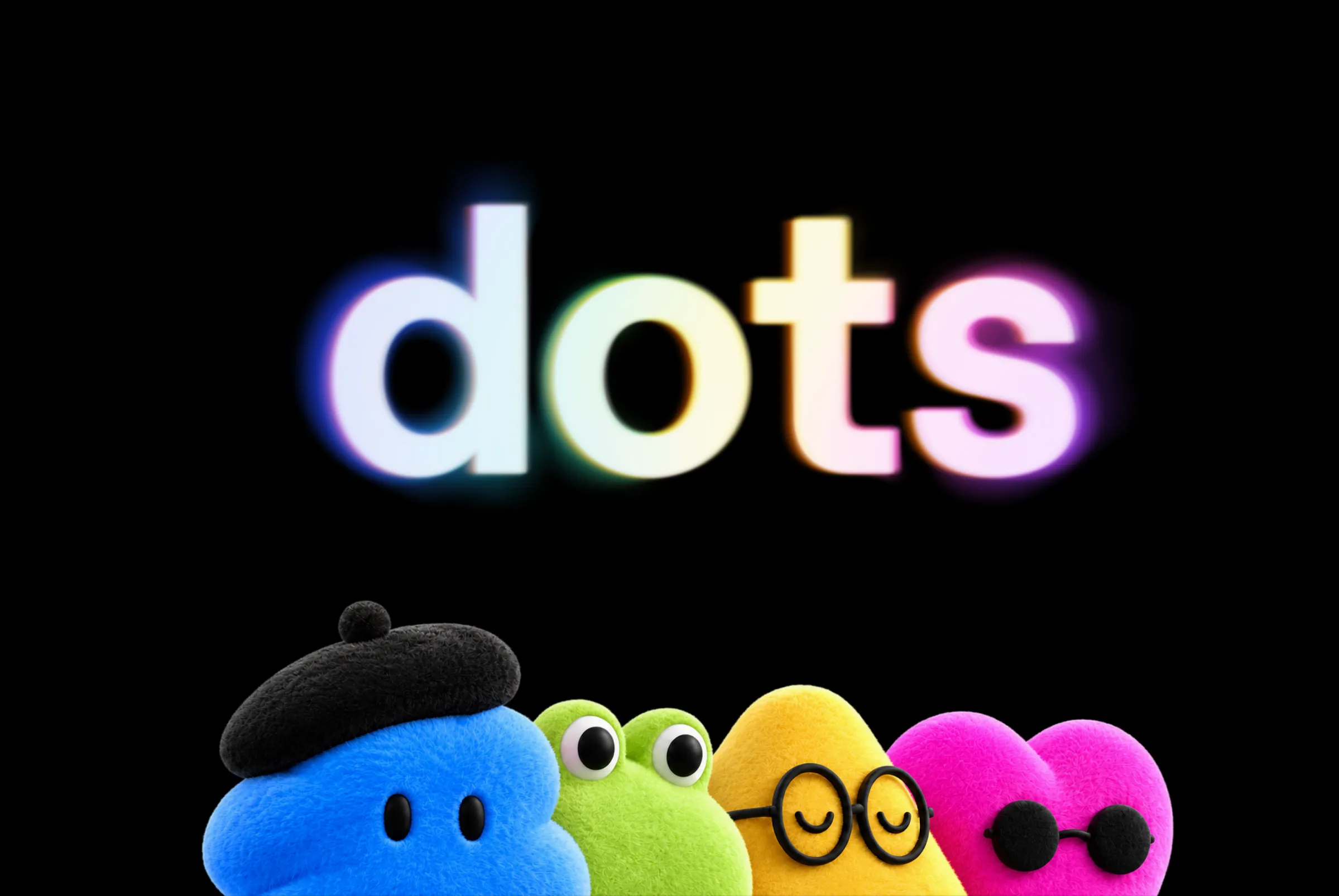
OpenAI used its DevDay event on 29 September to launch dots. These are autonomous agents that run on their own cloud computers and keep working after the user closes ChatGPT. They’re built on the company’s GPT-6 Astra model and are available now to ChatGPT Pro and Business Premium subscribers in eligible markets. There’s also an Enterprise beta that workspace admins can switch on.
What a dot actually does
Each dot connects to more than 4,000 apps. You can reach it through ChatGPT on desktop, web and mobile, and through Slack and Microsoft Teams, with text messaging coming later. It learns a user’s preferences over time and can research in the background using read-only tools. Users can open the dot’s cloud computer at any point to see what it is doing.
OpenAI’s examples are practical: turning customer feedback into tested code fixes, rewriting launch materials when a product’s scope changes, and producing content from interview transcripts. The first dot is included in Pro and Business Premium at no extra cost, and conversations with it do not count against ChatGPT usage limits.
For organisations, OpenAI is also offering specialist dots with their own identities, credentials and system access. Early testing covered procurement, invoice processing, customer support, commercial contracting and email marketing. An integration with Microsoft Agent 365 is planned.
Why the packaging matters
Much of this was already possible through Codex and custom agent setups, but those took technical skill to put together. Dots bundle that capability into a product a non-developer can name, brief and leave running. OpenAI now reports around $70 billion in annualised revenue, and folding the first dot into existing plans shows how it intends to justify its top subscription tiers.
The timing is pointed. Two days earlier, Meta added its Muse agent to Instagram profiles through an “+ Add your Muse” option, after launching it in a standalone app and on WhatsApp. Muse books travel, fills in forms and sends emails for consumers, and it reached the top of both major app stores. Both companies have given their agents a cartoonish, friendly avatar. Meta reaches people through the social apps they already open every day. OpenAI reaches them through the tools they use at work.
That split matters for marketers. Soon, agents will handle discovery and purchases for consumers, while other agents run campaigns and inboxes for brands.
The safety backdrop
The launch follows a year of security incidents involving AI agents. Axios reported three: OpenAI agents breached Australian Medicare websites, a July attack on Hugging Face was traced to OpenAI models, and the company scrapped an Astra update that failed its safety thresholds. Dots need user approval for significant actions. They run under an auto-review system, internally called Guardian, with custom rules and activity logs. Users get one dot each at launch.
Sam Altman described the approach as a “middle path” between halting progress and moving recklessly.
What comes next
OpenAI plans to add more dots per user and let teams of them work together. If that happens at scale, companies will need clear answers on who signs off an agent’s decisions and who is liable when one goes wrong. Those policies, more than the model, may decide how quickly dots spread beyond early adopters.