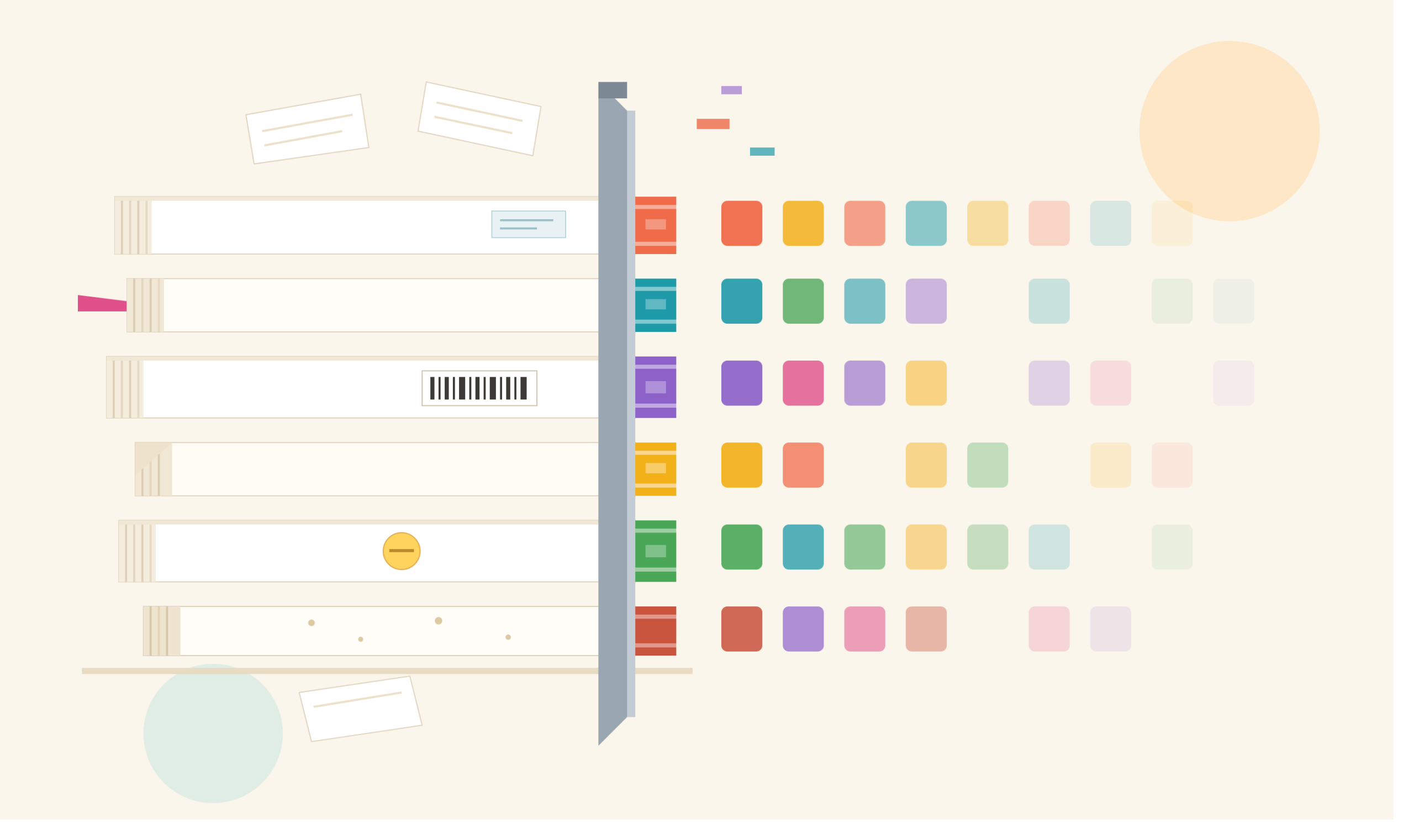
Books used to have two purposes: reading, and looking good on a shelf. The companies building large language models care about neither.
For those labs, a book is a supply of clean text to be ingested and then discarded, 404 Media reports. Digital copies are easiest. Pirated digital copies are cheaper still, which is what Meta stands accused of using and what pushed Anthropic into a $1.5 billion settlement with authors.
The cutter, then the scanner
Several companies, Anthropic among them, shifted to physical books instead, because secondhand copies can be bought in bulk for very little. The settlement documents describe the process: a hydraulic cutter separates the pages from the spine, and the loose pages run through an industrial scanner. Rebinding afterward is essentially impossible, so the physical copy is destroyed and only the digital file survives.
The legal reasoning that allows it
Two ideas make this work. The first-sale doctrine holds that once you own a copy, you can use it as you wish without the copyright holder’s permission. And because Anthropic converted books it had bought rather than distributing new copies, the judge treated the scanning as transformative use, protected under fair use in US copyright law.
Pre-2022 print is suddenly a premium product
The practice has spread far enough that established book dealers are now building businesses around it. ISBNdb, which bills itself as the world’s largest book database and once served libraries, distributors and bookstores, now helps AI companies place wholesale orders of anywhere from 1,000 to a million volumes. Its pitch: books printed before the LLM era are structurally guaranteed to be free of machine-written text, the low-quality output that has already flooded much of the web and, inevitably, newer books.
It also promises discretion, for obvious reasons. “The image problem is real,” the company writes on its own site. “Imagine the headline: ‘AI company destroys two million books.'”
The sellers taking the money anyway
One small dealer told 404 Media his sales jumped from at most 20 books a week to hundreds in April. The selections looked random and every title carried an ISBN, which convinced him the buyer was an AI lab. His stock leans toward imported, foreign-language, rare and out-of-print titles, which means some of what he ships may be among the last surviving copies. “I have mixed feelings about all of it,” he said. The money is real and it clears inventory that would never have sold; he does not like where the books end up.
What to watch next
Rare-book sellers in the Netherlands report the same sudden wave of bulk buying, and the same suspicion about who is behind it. As long as brokers keep buyers anonymous, the trade stays invisible. The strongest signal a dealer gets is an order too large and too indiscriminate to have come from anyone who intends to read.