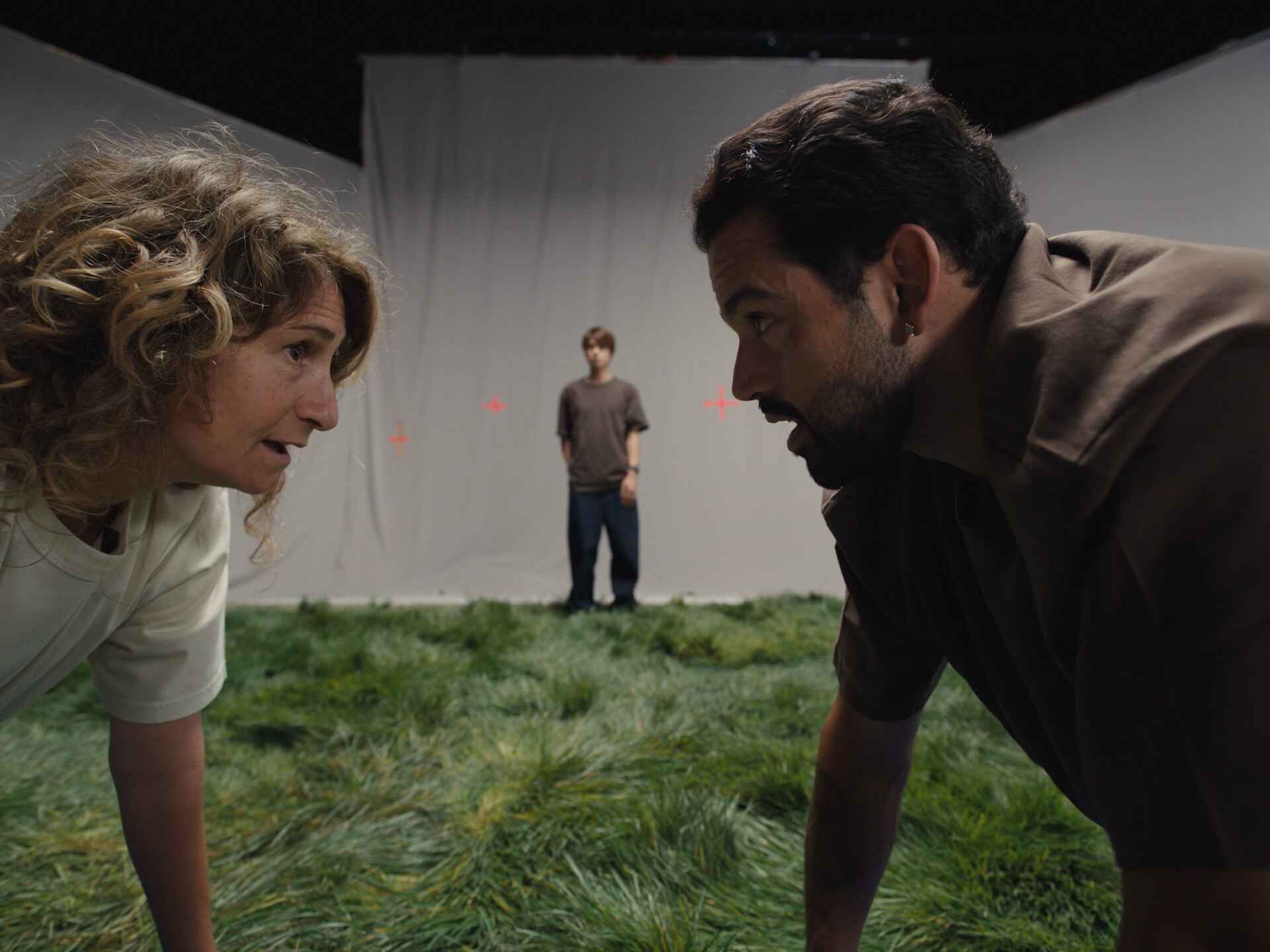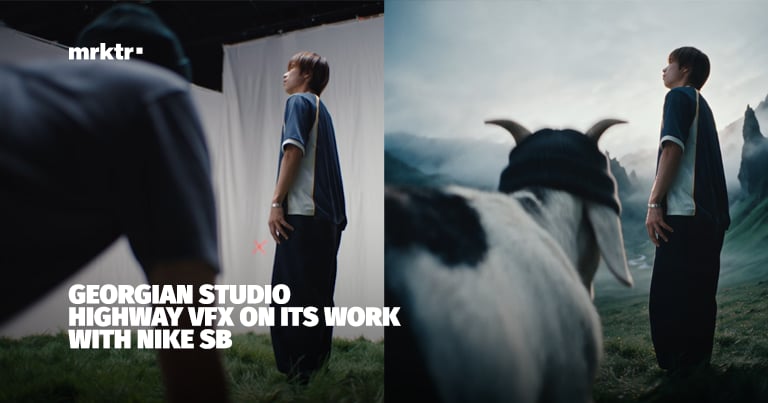
Tbilisi-based Highway VFX worked on Nike SB’s Vault 7 alongside its US partner, Bodega Virtual, contributing to a production that involved 51 VFX shots. For Highway, the project was not an isolated international opportunity, but the result of several years spent building relationships in the US market.
The studio had already collaborated with Bodega Virtual on projects for a number of well-known brands before eventually becoming involved in Nike’s production. “We’ve worked together on projects for several well-known brands, and through that chain of collaborations we eventually arrived at Nike,” says Highway VFX co-founder Levan Lapachi.
Highway was initially assigned 25 shots, partly because of the scale of the work and the limited production window. As the project developed, however, the studio became involved in almost every shot, from smaller adjustments to more substantial VFX work. According to Lapachi, the biggest challenge was not one particular effect, but the relationship between the workload and the deadline. “The requirements went far beyond our expectations, and both teams had to deliver an enormous amount of work in an unusually short period of time.”
Working between Georgia and the US also meant managing a time difference of more than ten hours. Highway had already spent years adapting its workflow to international productions, with clear delivery schedules and feedback rounds planned in advance. Some stages still required overtime, particularly when changes were easier to resolve collaboratively. The creative direction itself was tightly controlled. Highway worked from an established brief, while major decisions were approved by the agency and director throughout the process. “On projects of this scale, surprises are generally not welcome. Everything needs to follow a clearly defined plan,” Lapachi explains.
What made Vault 7 particularly significant for the studio was the way the technical process was approached. It became Highway’s largest project to date in which traditional visual-effects techniques were combined with AI tools within the same workflow. “Nike became the first project of this scale where we blended traditional visual effects with AI. The result, for us, was VFX on steroids.” For Lapachi, the value of AI lies less in replacing established VFX methods and more in expanding the number of tools available to solve a creative problem. The key, he argues, is understanding where a new method can genuinely improve the process and where traditional techniques remain the better option.


The project also highlights what it takes for a studio outside the industry’s traditional production hubs to compete internationally. Lapachi says strong visual work alone is not enough. Security, reliable communication, file handling and meeting deadlines all become crucial when companies are sharing valuable production material across continents. “Imagine how risky it can feel for an American company to send valuable material to another company on the other side of the world. We are talking about large files, security and deadlines. Building that trust takes time.”
For Highway, the longer-term opportunity lies in competing on more than cost. Lapachi argues that studios which combine technical execution with a distinct creative contribution are in a stronger position to build lasting international relationships. “When a studio can bring something creatively valuable to a project or brand, price becomes secondary. The focus shifts toward what that team can actually contribute.” The same experience, he says, can eventually feed back into the Georgian market, improving the quality of local advertising and film production while making workflows more efficient.