A former industrial building finds a new use. A street becomes more comfortable in summer because someone has thought carefully about shade. Neighbours agree on how to improve their shared entrance. Each involves decisions about who a place serves, how resources are used and whose needs are considered. These are the kinds of decisions that social design brings into focus.
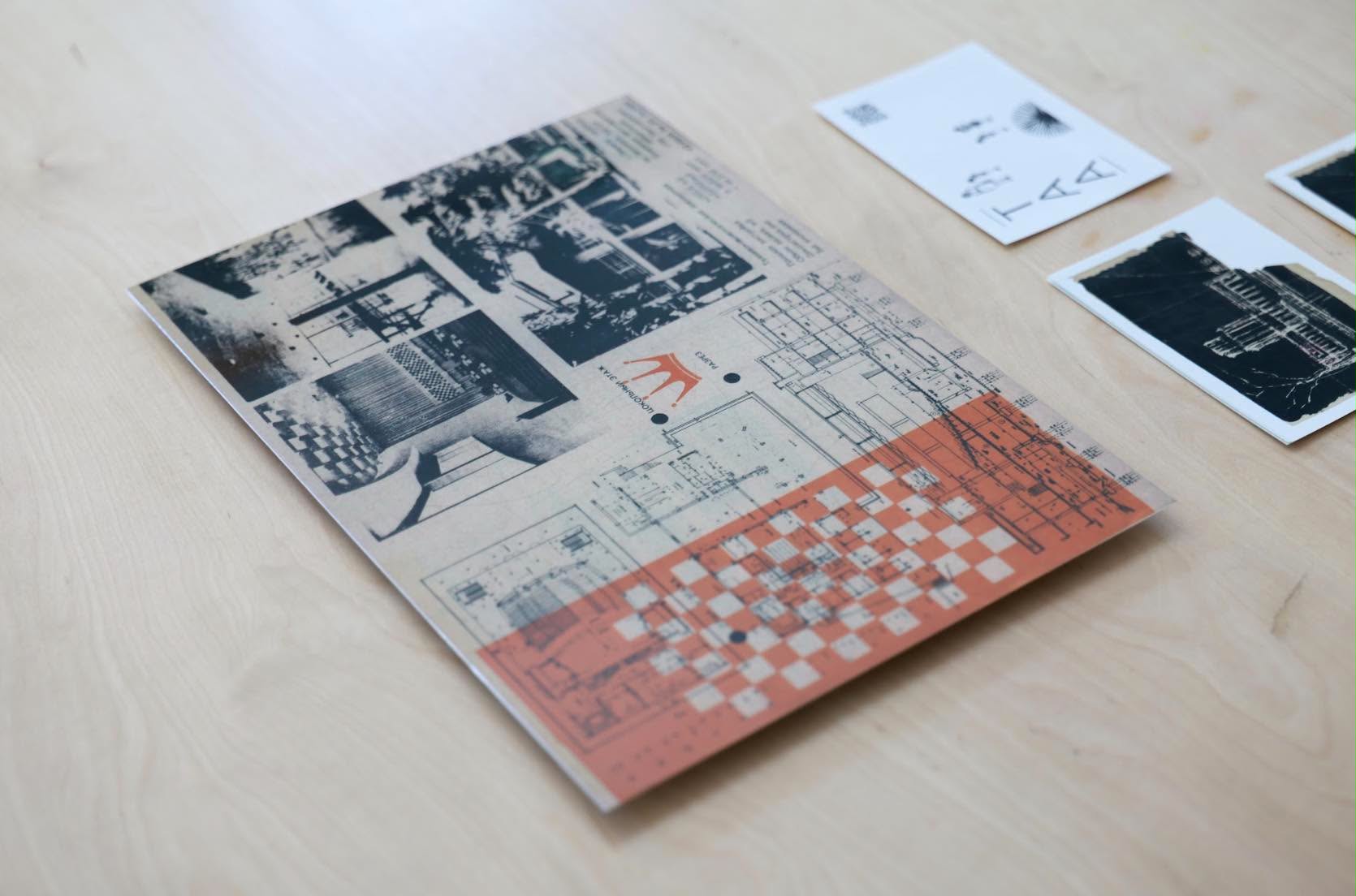
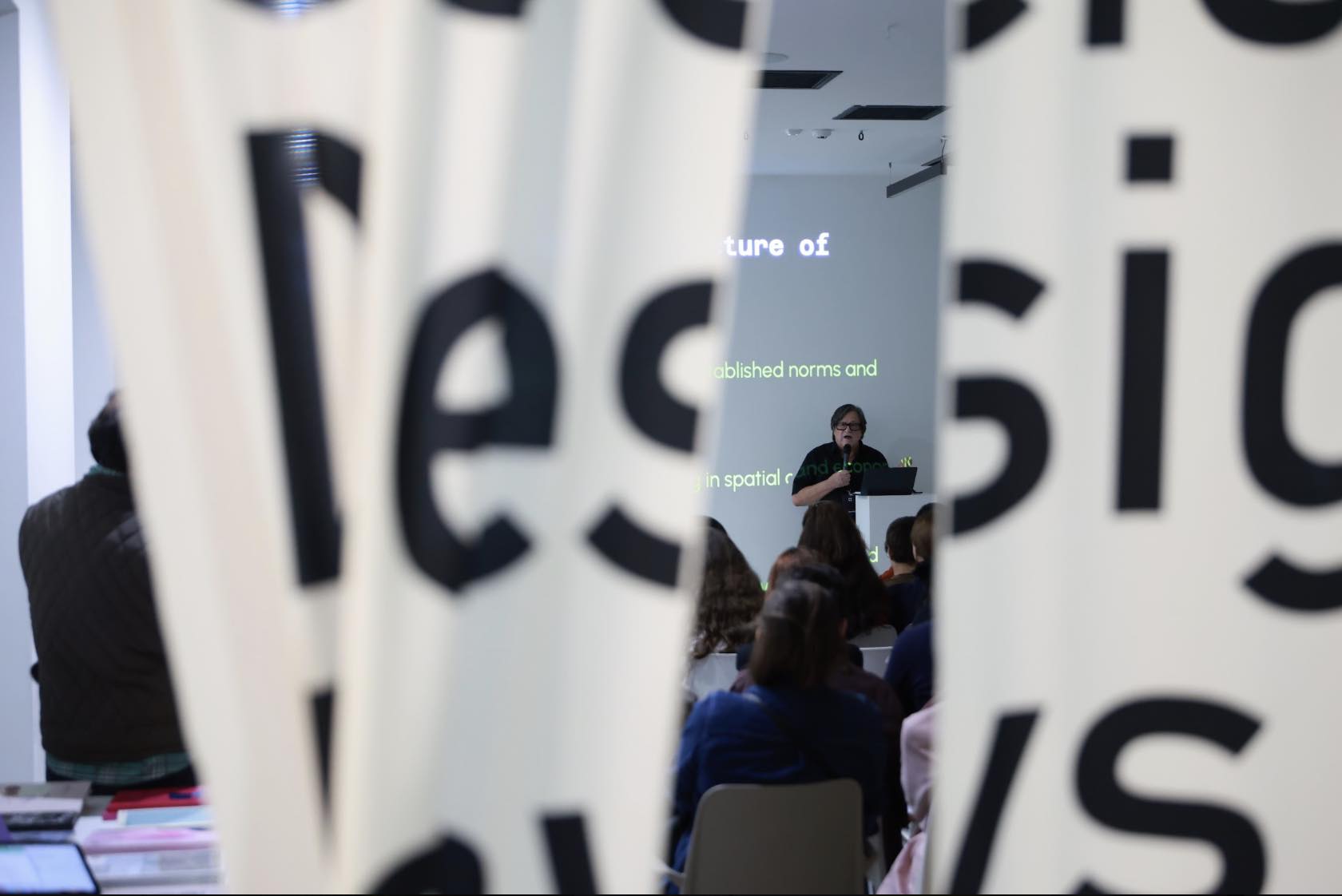
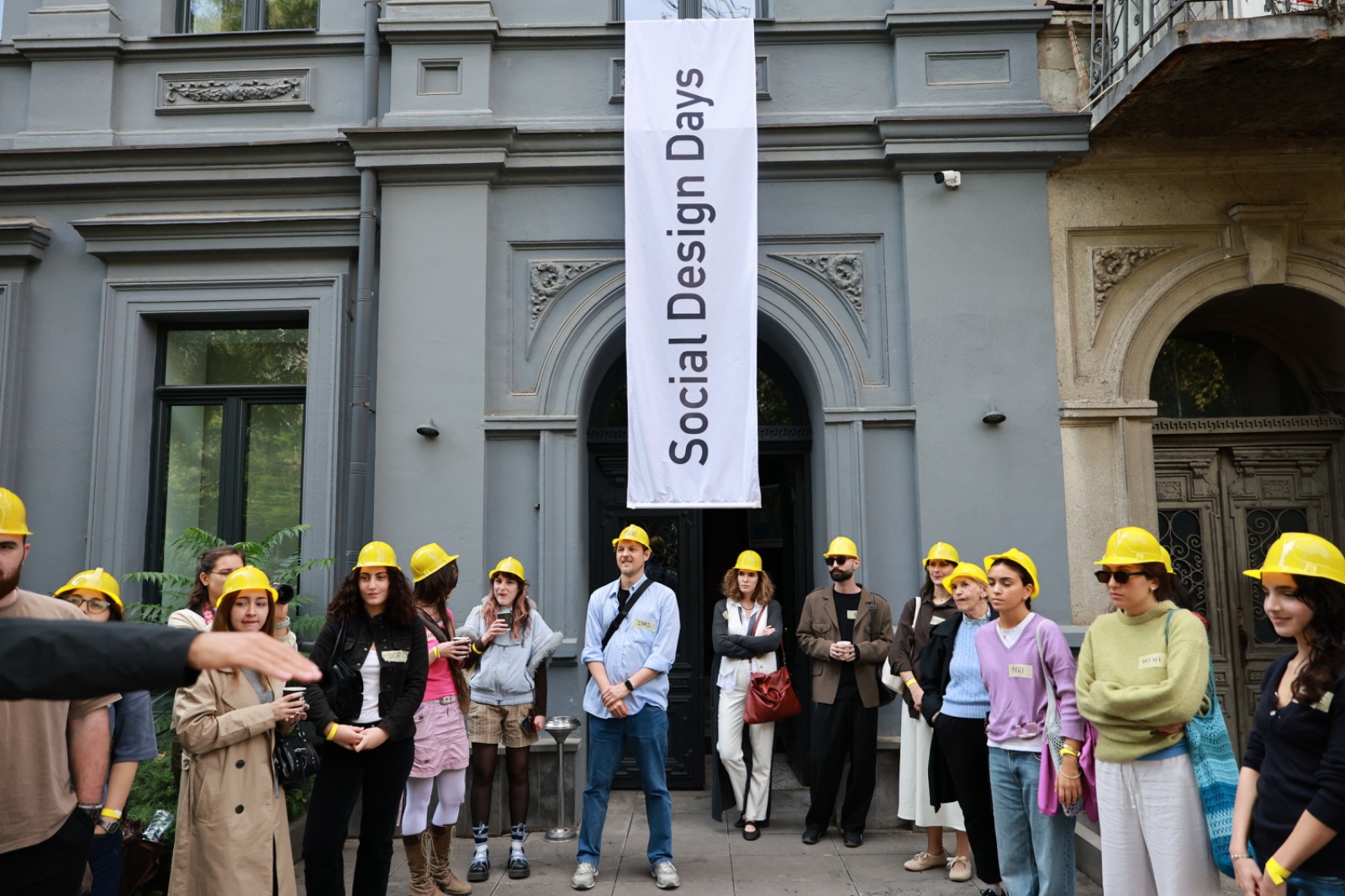
At Design Institute in Tbilisi, Social Design Days has become a meeting place for people working through those questions. Its fifth edition, held on 8-10 October, explored urban culture through architecture, music, photography, history and research. Discussions examined the relationship between inherited spaces and contemporary life, including the clubs, galleries and gathering places that have emerged within Georgia’s Soviet-era buildings.
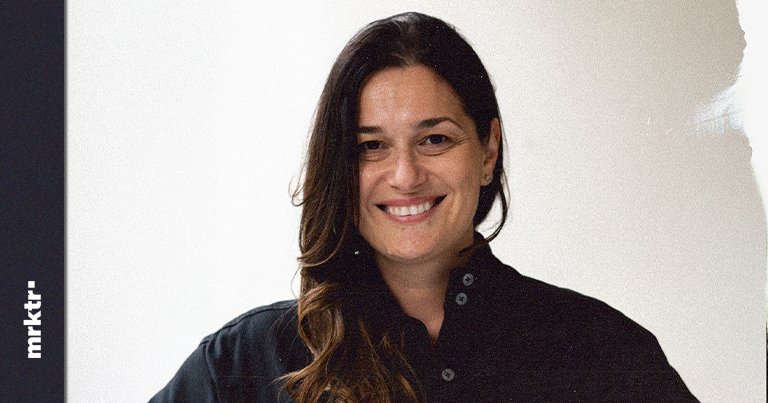
For Design Institute founder Nino Egadze, the value of the series lies in what people can do with the knowledge they share. Across this year’s three editions, the programme moved from inclusive design to circularity and sustainability, then to urban culture. Alongside the talks, workshops gave participants ways to investigate their surroundings and test ideas against local conditions.
We spoke to Nino Egadze about giving old buildings a future, making research accessible and creating an event where people come for the subject itself.
M: Social Design Days held three editions this year. What connected them?
I see Social Design Days as a movement that gives people from different professions and communities an opportunity to help improve society. The shared purpose is to create a benefit for people, but each edition approaches that purpose from a different direction.
Our first theme this year was inclusive, accessible design. The second focused on circularity and sustainability, and the third on urban culture. That last subject initially seemed more local, but the discussions showed how much it matters across the region.
Together, the three editions explored Georgia’s relationship with both local and global challenges. We considered how we participate in international conversations about sustainability, circularity and inclusion, while also examining the difficult heritage we have inherited and the new uses and meanings we give it.
M: Social design can sound abstract. Where does it become tangible in your own work?
The way Design Institute operates is one example. Students who study with us also have opportunities to work here, participate in organising Social Design Days or photograph the events. The model connects education with practical experience and employment.
We apply the same thinking to materials. Through our collaboration with Tene, used cups can be collected and recycled, with products made from that material returning as gifts at a later event. Gia Bokhua’s brand Makulatura makes notebooks from recovered paper. We use the offcuts from that process to make further notebooks.
For me, sustainability means setting up a system that considers people and uses resources efficiently from the beginning. When designers, engineers and architects are involved early, they can anticipate how that system will work and reduce the need to rebuild it later.
Social Design Days itself follows this approach. It is one of the largest events we organise, yet it runs with very little additional budget. We bring together shared interests: participating organisations cover their own costs, partners contribute because the subjects matter to them, and ticket income helps sustain the event. The way those relationships are organised makes the programme possible.
M: October’s edition focused on urban culture. What tensions emerged in the way we relate to our cities?
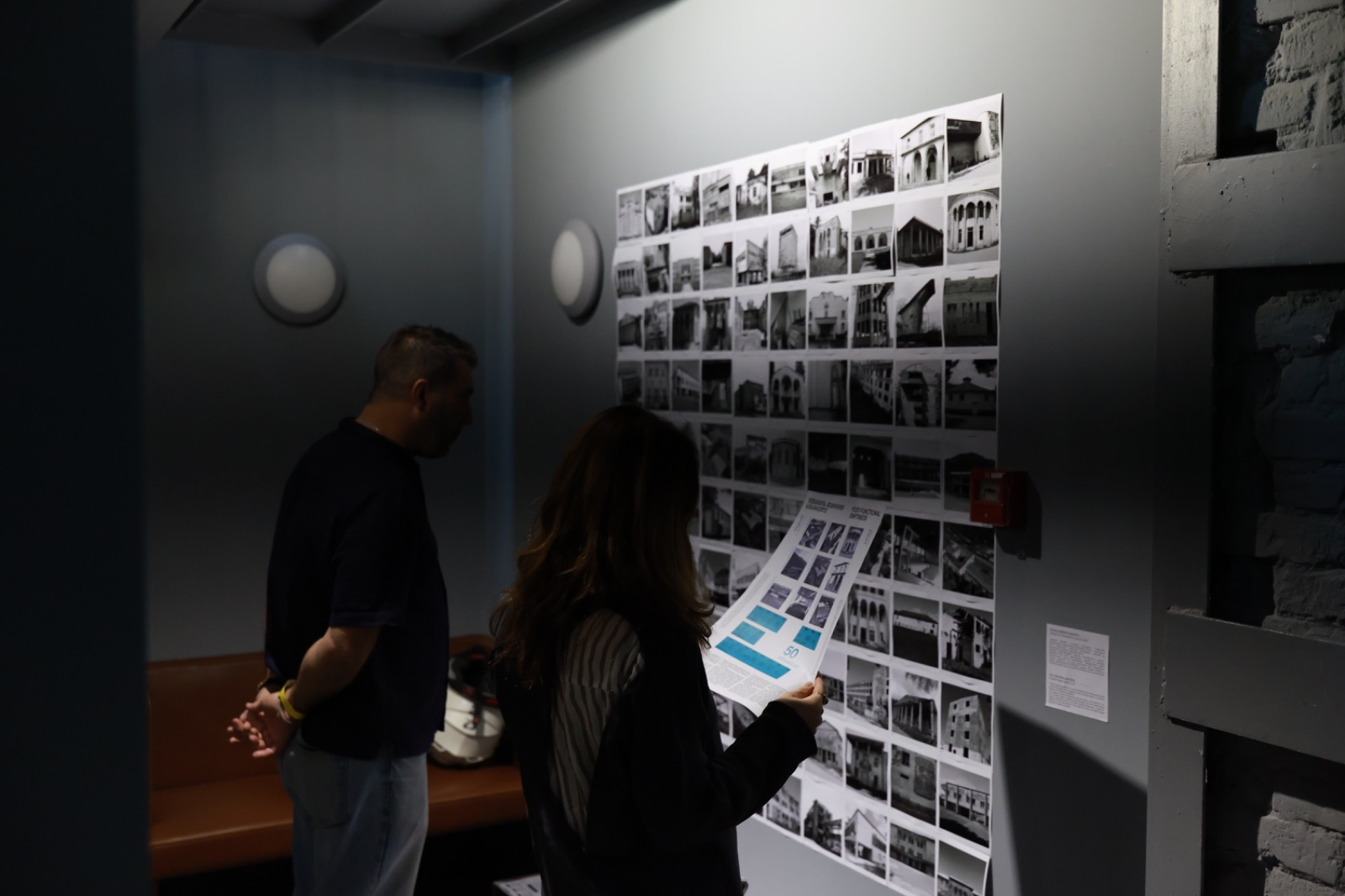
One of the central subjects was the past that remains around us and our contradictory feelings towards it. We may have difficult associations with Soviet heritage, yet those same buildings have provided space for new clubs, music venues, galleries, cultural projects and places to meet.
That makes the question of how we treat this heritage particularly important. It also extends beyond Georgia. People in Poland, Ukraine and elsewhere in the region are working through related questions. Bringing different professions into the conversation helps us understand the value of a place and consider what its future might be.
I am interested in constructive discussions that help us find a way forward. Designers and architects have useful skills here. They can visualise an idea, build a prototype and demonstrate how a particular solution might work. A proposal becomes easier to understand when people can see its potential consequences.
M: Debates about heritage often become arguments about whether a building should be preserved or demolished. How can that conversation become more useful?
I believe heritage that has been brought back into use has a strong chance of surviving, because people have a reason to maintain it. During the post-Soviet period, some buildings survived after becoming hotels or acquiring other functions. Others that could not find a place in contemporary life deteriorated or disappeared.
There are different approaches to conservation, and those differences deserve serious discussion. We need professional conversations about what should be preserved, how to preserve it and what kinds of intervention are appropriate. There is no single answer that applies everywhere.
Social media posts alone cannot establish the value of a building or explain the consequences of changing it. That requires research, practical knowledge and the involvement of different parties. Social Design Days provides a setting where people can explain and examine those positions.
The private sector needs to be part of that discussion, too. If we do not explain a building’s value, a business may struggle to understand why it matters or how a proposed alteration could affect the wider environment. Those conversations need to happen early enough to influence a decision.
M: After five editions, what has happened that you could never have written into the programme?
Interest has grown, as has the quality of the discussions, presentations and exhibitions. Participation has broadened, too. At first, the event was more closely associated with architecture and design. Other fields are now becoming part of the conversation.
What matters most to me, though, is the sense of community and the feeling that constructive dialogue between different groups is possible. You cannot put that in a programme, but you can feel it when people come together.
I also want academic subjects to become something people choose to spend their free time engaging with. They should be able to enjoy listening to research and taking part in a discussion because the subject interests them. An exhibition may be visually compelling, but the substance of the conversation remains our priority.
A researcher should not feel pressured to become an exceptional public speaker or produce a spectacular presentation. They are investigating something that matters to them, and there may be another fifty people in the room who care about it, too. Creating a place where people come for that reason and stay for the day feels like a significant achievement.
M: How do you give participants a chance to work with these ideas themselves?
One of Design Institute’s aims is to support design that listens to people and responds to their needs. We would benefit from more long-term research, but research is expensive. I see a greater emphasis on research-based activity as an important direction for the platform’s development.
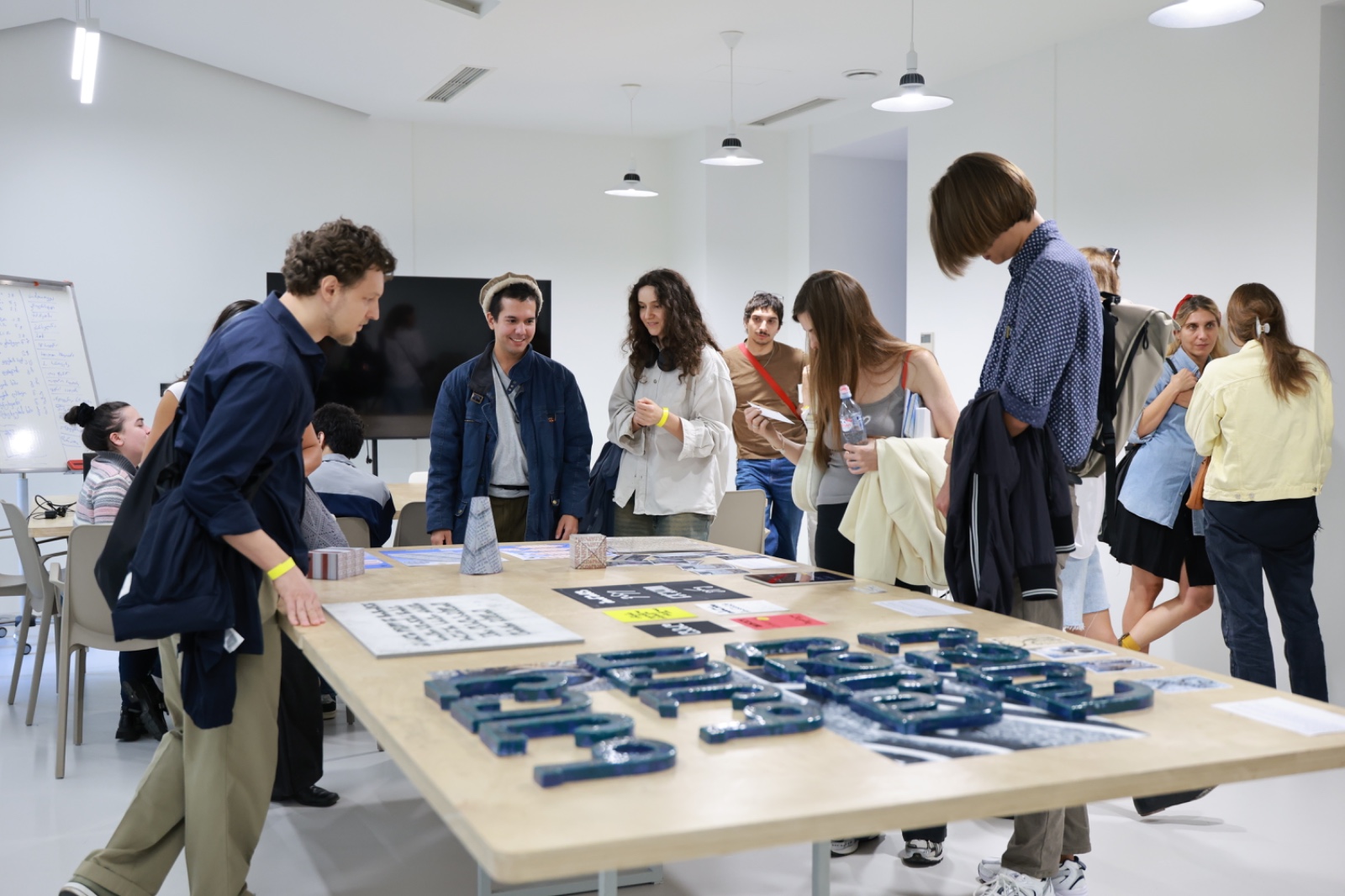
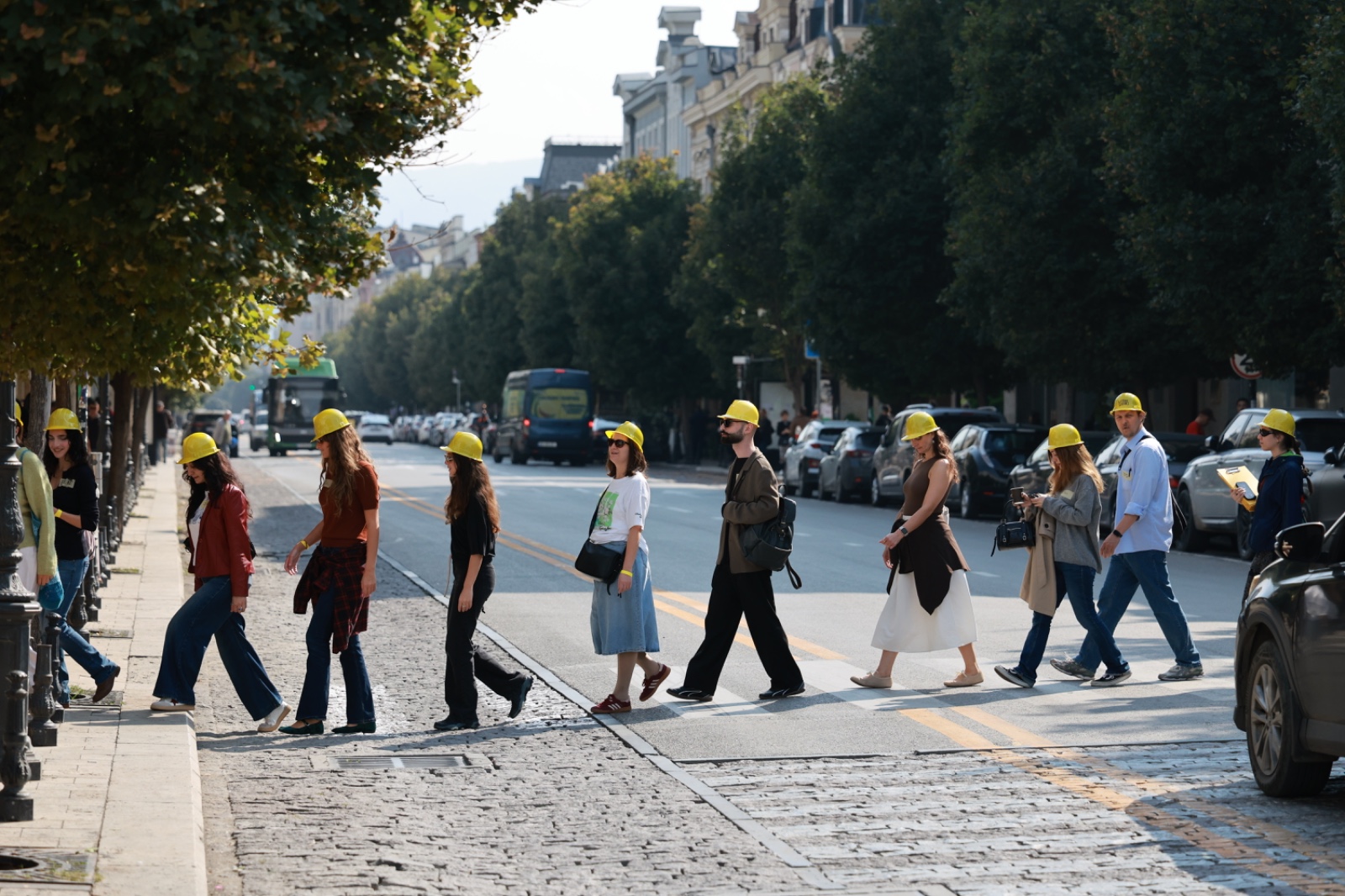
For now, workshops provide a substantial practical component. They account for roughly a third of the conference programmes, and we have held around fifty across the series so far. Participants have explored research methods through design-thinking tools, observational drawing, modelling, walking tours and discussions.
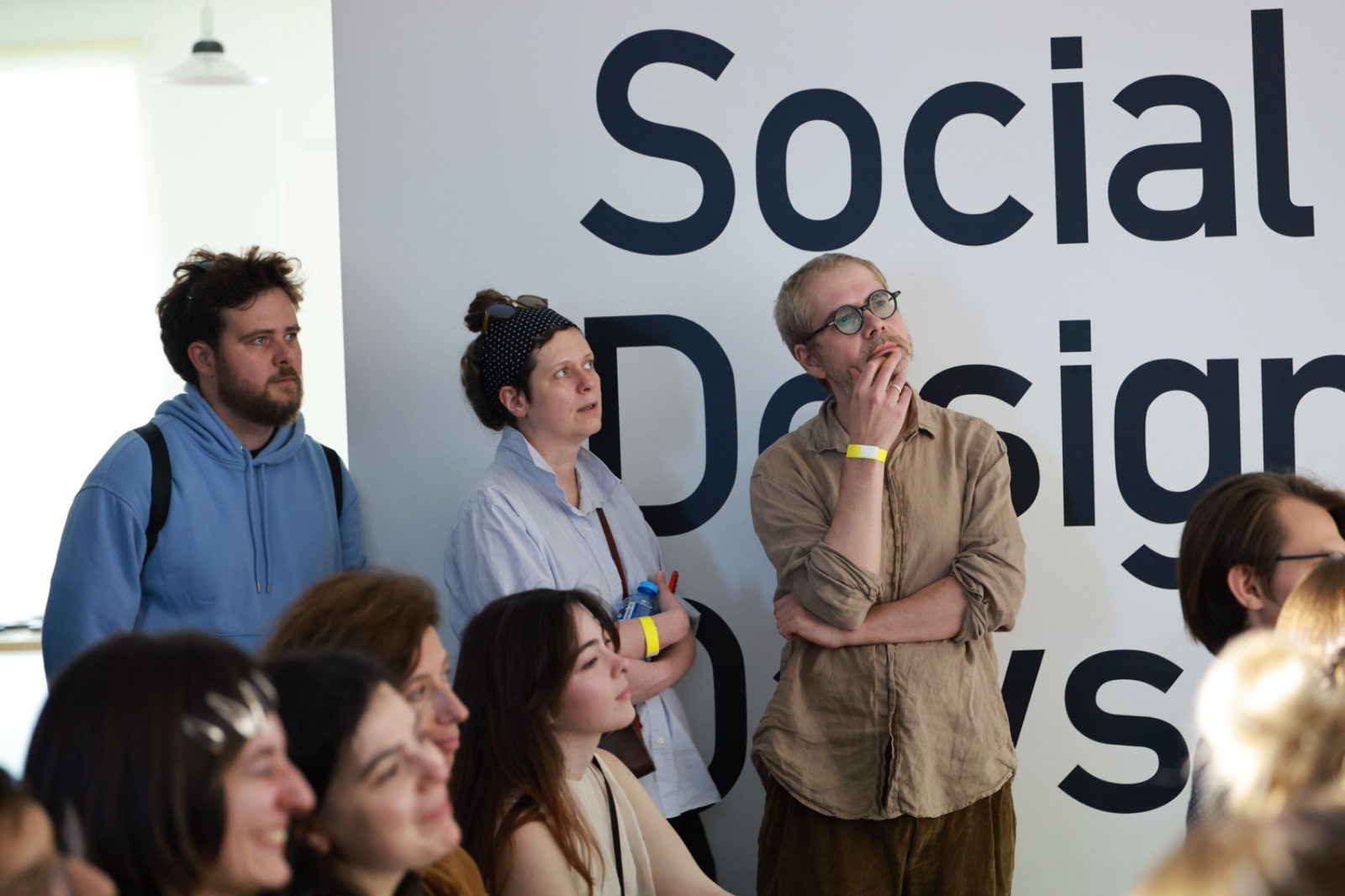
These sessions are open to people at very different stages of their careers. A group might include a professor, a student, a conference speaker, an artist and a designer. Each brings different knowledge and observations, which makes the exchange valuable.
M: Which workshops best illustrate the range of ways people can investigate a city?
We have explored urban planning through storytelling. Another particularly interesting workshop looked at shade and how its planning relates to temperature and people’s experience of a space.
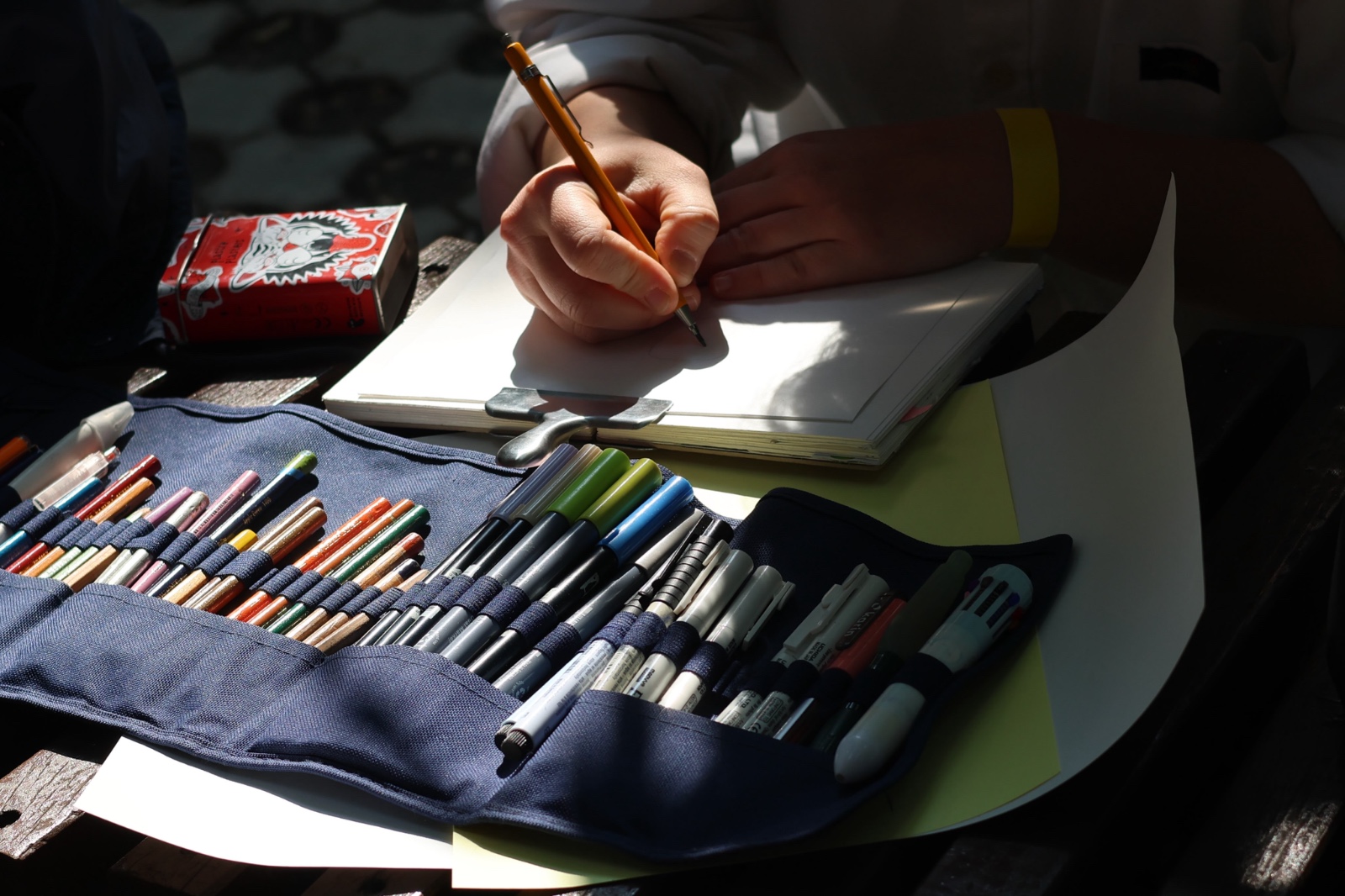
In other sessions, participants used drawing to observe their surroundings. They documented streets, looking at everything from cats to abandoned buildings. We have also held workshops on planning in historic neighbourhoods, heritage conservation and collective decision-making.
The important thing is to learn a method and understand how to use it. Participants can then apply that knowledge to their own objectives, whether they are working on conservation, waste management or a sustainable business model.
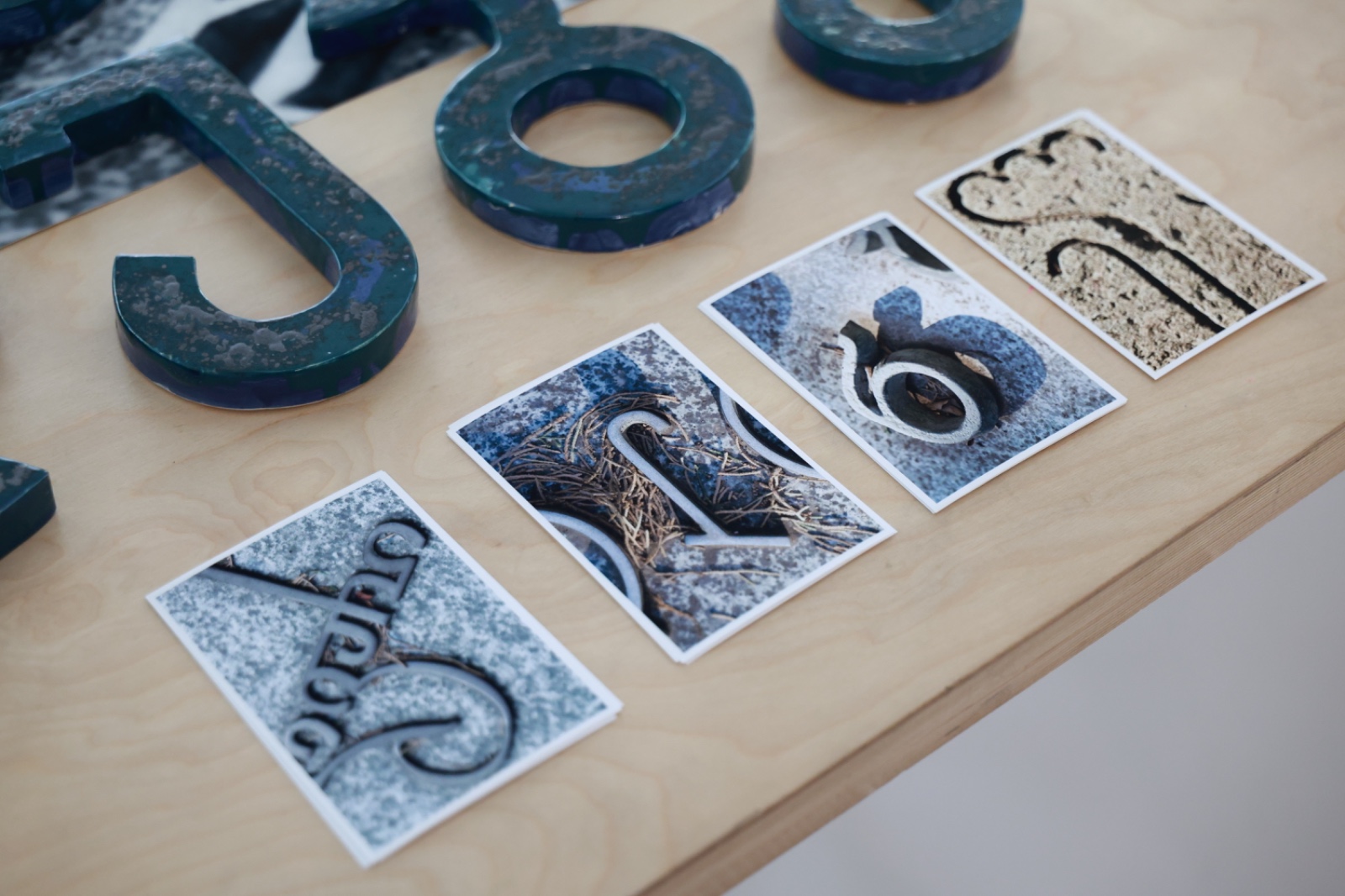
M: How do you make international experience relevant to the Georgian context?
We have welcomed guests from around ten countries across the series, and we always ask them to work with relevant Georgian examples. That could mean looking at a particular neighbourhood, street or product. It gives participants a way to try a method in a setting they know.
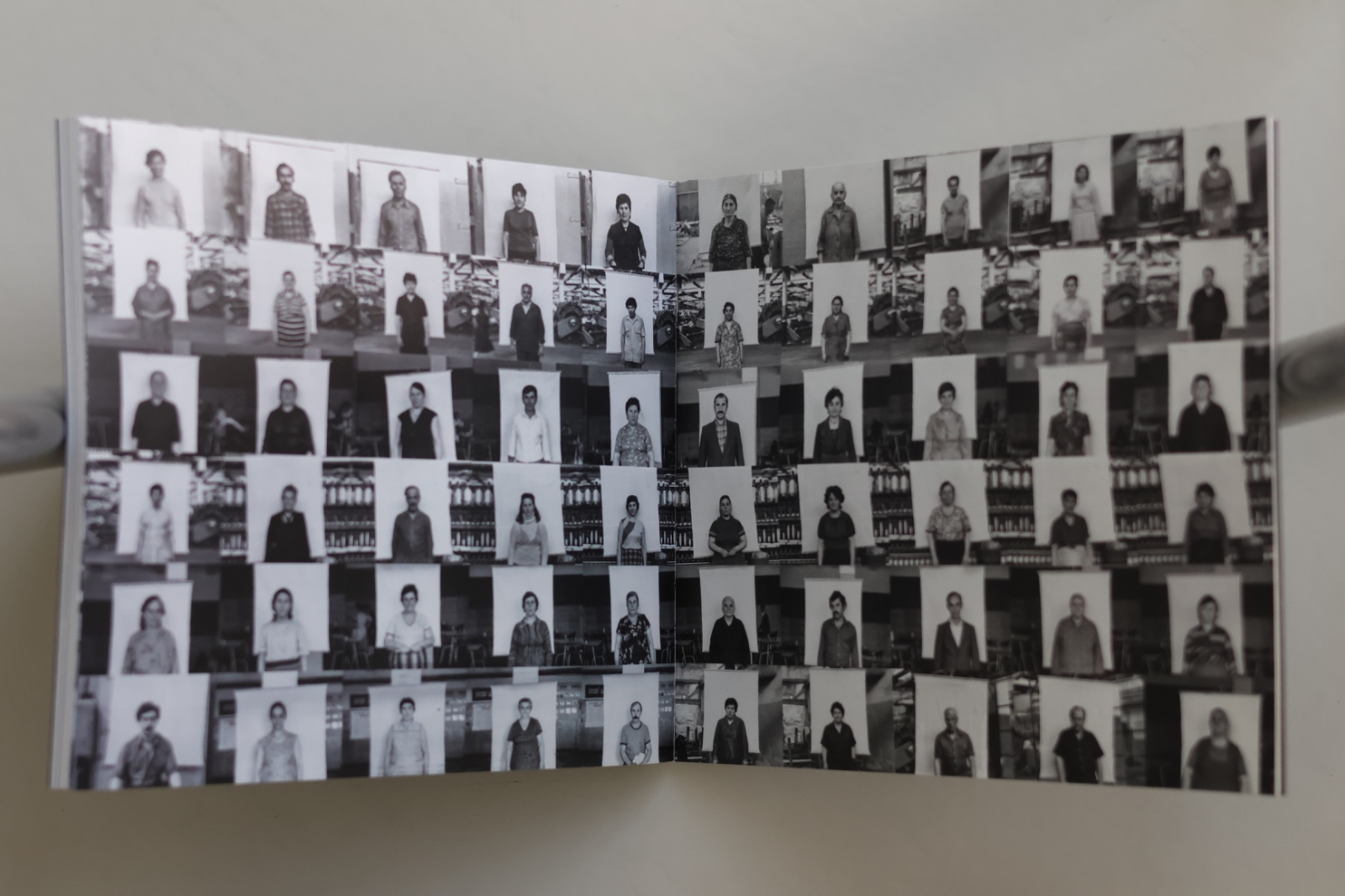
The conferences have also helped bring existing research to a wider audience. There is valuable work being done in Georgia by very capable researchers and specialists, but knowledge of it often stays within relatively small professional circles. We have taken on a role in helping more people discover that work.
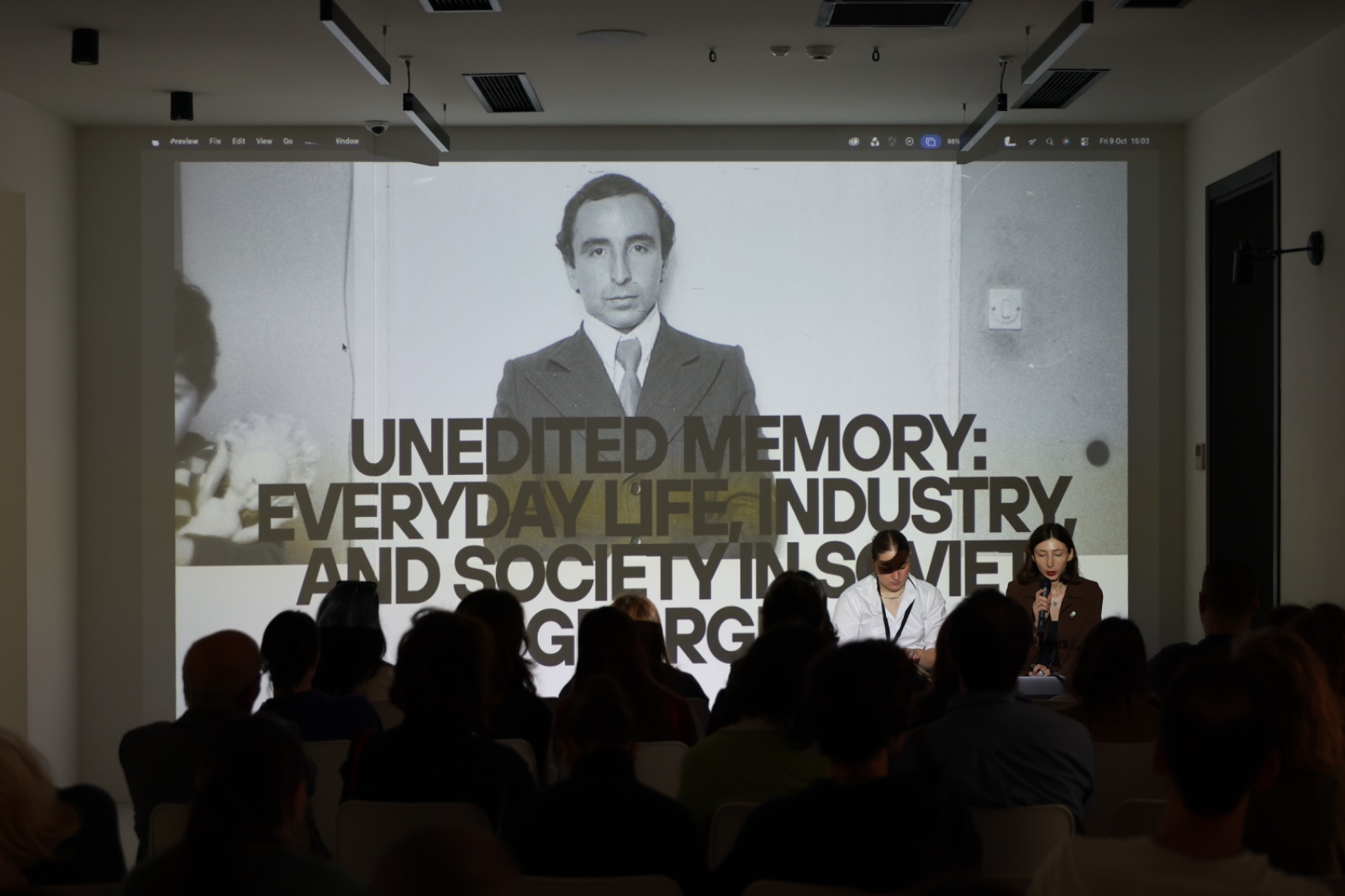
We have presented research on conservation and industrial heritage, and the latest edition included work on monumental mosaics. Sharing this material also benefits researchers themselves. Someone working on one subject may discover that another person has precisely the detail they have been missing.
There are practical implications beyond research. If you want to open a gallery, start a business or create a workspace, knowing about existing buildings can reveal possibilities you had not considered. Many people admire places such as Stamba and Fabrika. Projects like those begin with recognising that a building exists and understanding what could happen within it.
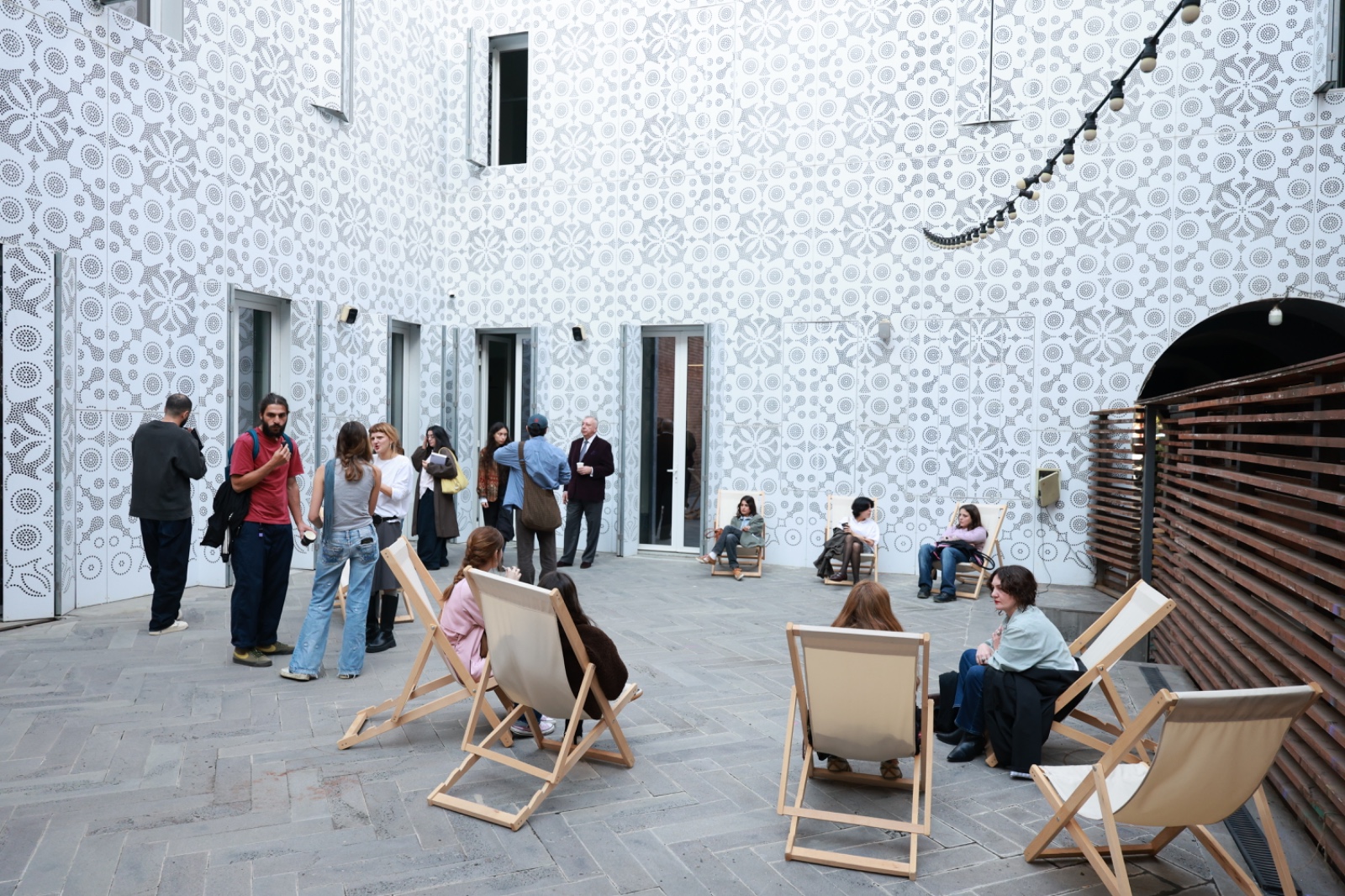
M: What would you like Social Design Days to leave behind?
First, collaboration between different groups. I also want this way of thinking to become more widespread. Growing interest can help attract resources and funding, but the most important thing is for people to understand the significance of their own contribution.
Social change begins with individual responsibility. Particularly in difficult circumstances, people need to be able to see that a step they take can have an effect. Regulations, policies and laws cannot replace our personal responsibility towards the environment we share. Improving a landing, a communal entrance or a neighbourhood can influence what happens beyond it.
Design helps make that possibility visible. One installation featured flowers made from recycled plastic. When you see an object like that, you start wondering what else could be made from the material. A tangible example helps people imagine the result of their own actions. That is where participation can begin.