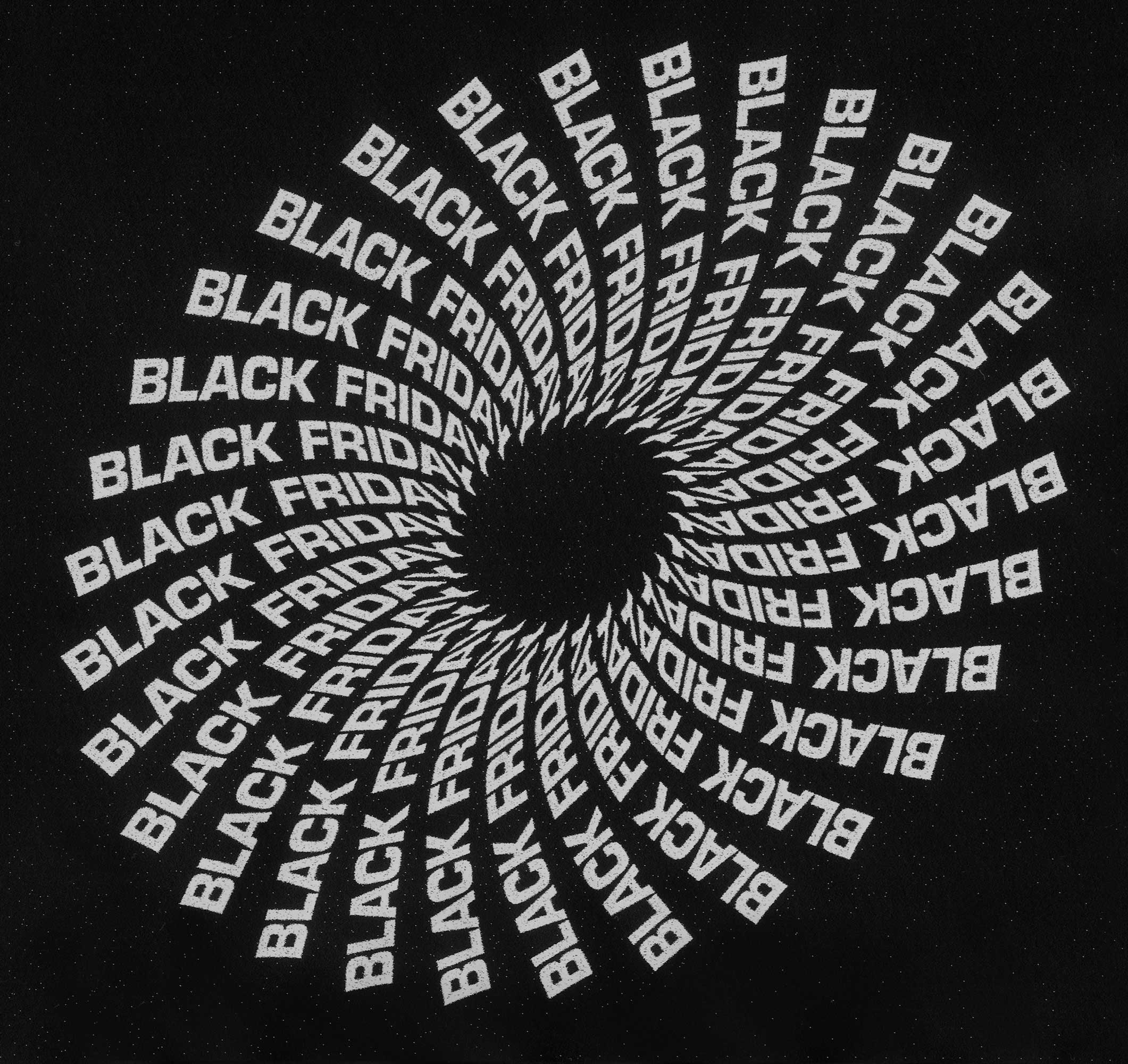
Alexis Cros almost became an engineer. These days, he is experimenting with an old fax machine, making graphics that sit somewhere between DIY roughness and a tightly organised grid. Working with musicians gives him an audience for the details he likes to hide in his designs, though being a fan can make an already slow process considerably longer. In this conversation, he talks about designing for Osees, listening to musicians’ visual instincts, and why he has stopped making the small-gig posters that once filled his portfolio.
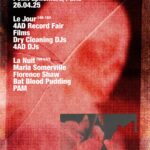
M: Growing up, record sleeves, skateboard graphics and motorbike stickers connected you to communities you wanted to belong to. Can you remember an image that drew you into a world before you knew much about it?
I remember the logo for the skateboard brand Girl having a big impact on me. I didn’t know anything about the brand, but I loved the idea of it being called Girl and using a women’s toilet icon when it was mostly used by guys. That seemed like a cool, interesting contradiction to twelve-year-old me.
M: When you start working with a musician, what do you need to learn about them that listening to their music alone won’t tell you?
They usually have intuitions about what the image should be, and those have to be taken very seriously. They don’t often find their way into the final output, but they almost always influence it.
M: You’ve described Osees as a dream band to work with. Did being a fan make the design process easier, or give you more to wrestle with?
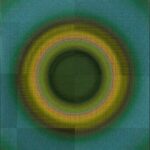
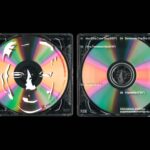
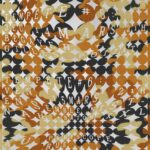
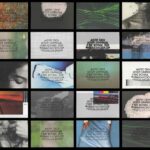
Because I was a fan, I worked triple on it. I’m usually a very slow designer, and I get lost in dozens of different ideas, but this one was crazy for me. I’m really happy with the result, though. There are pinned stories on my Instagram showing the process behind the project.
There’s also an artist I love called Robert Beatty. He did a few Osees covers a long time ago, around the time I became familiar with both Osees and Beatty. If you know his work, you know I had big shoes to fill.
M: Accidental textures and distortions play a big part in your work. What makes you want to follow a technical mistake rather than correct it?
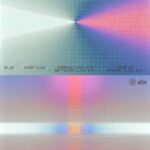
At the moment, I’m experimenting with an old fax machine. It’s messy. I don’t know where my interest in distortion and texture came from, but I guess I was never going to be a slick 3D artist. Sometimes I chose a dirty aesthetic because I wasn’t able to get a slick result.
I’m very into raw and DIY music. The intention is always more interesting to me than the technical ability. I love well-crafted objects and images, though. My graphics often sit somewhere between crafty and extremely grid-based. I come from a technical background and almost became an engineer, but accidents are always interesting, in graphic design, at least. I don’t have a specific example, but all my projects have accidental aspects.
M: Rough textures and distressed printing can become a formula of their own. How do you catch yourself using a familiar technique simply because you know you’re good at it?
Formulas are part of the job, though I never feel like I’m being systematic. Projects are half the designer and half the client. That’s what makes them different.
Having lots of interests and references always pushes me to think, “Let’s try emulating this on this project,” or, “Let’s go in this direction.” I don’t know, but I never go straight to the final outcome.
M: You work closely with Lyon’s music and creative communities. What does being part of that scene bring to a project that an outside designer might miss?
I don’t think I’d be better than an outside designer, really. It’s more about being in touch with people, being here and being OK with working on small budgets most of the time. Graphic design isn’t so important to people, but everybody loves dealing with a member of their community.
M: A poster needs to communicate quickly, but your graphics also reward a closer look. How do you decide what someone should understand immediately and what they can discover later?
I try to be generous to the people who pay attention. I don’t know who they are or how many there are, haha! I do things for myself, hiding details and stuff. It’s a way to keep playing, and it’s good if someone notices. That’s also one reason I like working with bands and music: people dissect the details more. It’s almost mystical sometimes.
M: Have you ever made something for a musician that you loved visually, then realised it said more about you than it did about them?
It’s never happened to me, but I get the feeling. It must be terrible, haha. It can happen if you don’t pay attention to the artist and don’t show your work often enough.
I really think this job is a translator’s job. You turn language into objects; that’s a quote from a studio I love called Experimental Jetset. You talk with someone who knows everything about their project, and you deliver an image that says exactly that. In the process, you get to give your opinion on it. That’s the nice part of the work.
M: Independent music often means limited budgets. What have you learned about the compromises you can afford to make?
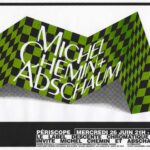
I don’t work on posters for small gigs anymore. I used to love them. They filled my portfolio, and they were fun to make, but sadly there isn’t enough money there for me to keep doing it. I’m much too slow.
I’ve never really found a compromise that works. Sometimes I try, but it isn’t easy. Something like, “If you sell more shirts with my design, you pay extra.” That’s never really worked at my scale.
M: Imagine someone finding one of your posters twenty years from now, knowing nothing about the band or the venue. What would you hope that single sheet of paper could tell them?
I don’t really know. I just hope it would still make them want to go!