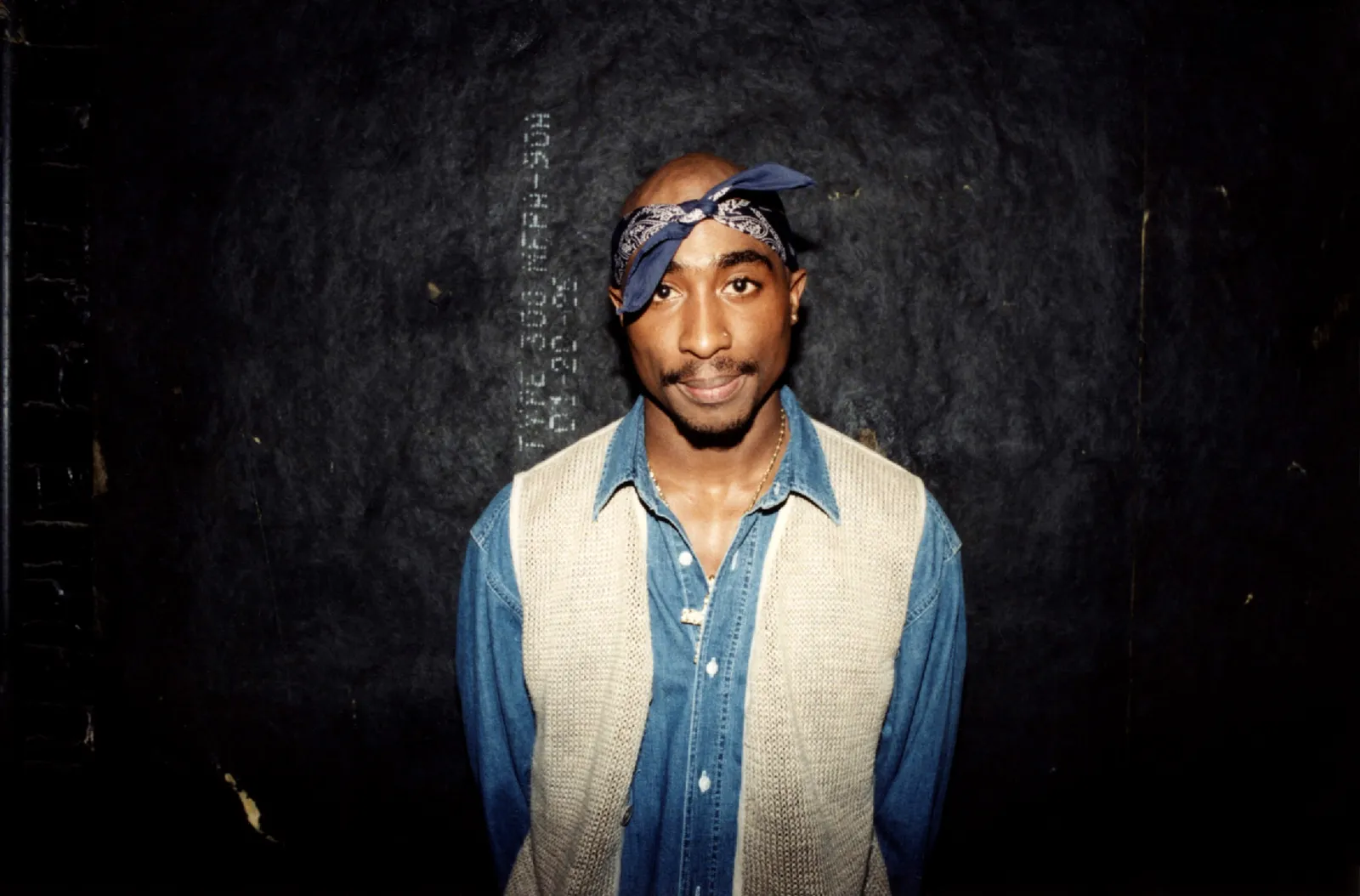
A Las Vegas jury found Duane “Keffe D” Davis guilty of first-degree murder with a deadly weapon on August 31, 2026, closing the nearly 30-year investigation into the killing of Tupac Shakur. Jurors deliberated for less than three hours after a nine-day trial, a fast turn for a case that had sat unsolved since 1996.
Shakur was shot while stopped at a red light on the Las Vegas Strip on September 7, 1996, and died six days later at 25. Davis, now 63, was the only surviving person prosecutors placed inside the white Cadillac the shots came from. He had spent years describing his role in interviews, podcasts and his 2019 memoir, Compton Street Legend, material prosecutors used directly against him. “This guy’s scrapbooking his murder, for God’s sake,” prosecutor Marc DiGiacomo told the jury. Chief Deputy District Attorney Binu Palal argued premeditation: “It’s a plan, not an impulse.” Defense attorney Michael Sanft countered that the state had no witness placing Davis at the scene. The jury sided with the prosecution. Davis faces a possible life sentence at his October 2026 sentencing.
The case has always run through the business side of hip-hop as much as its mythology. Davis said the shooting was retaliation for an earlier fight involving Death Row Records’ Marion “Suge” Knight, who was wounded in the same attack, and figures tied to the East Coast-West Coast rivalry that also framed the unsolved 1997 killing of The Notorious B.I.G. Both artists’ catalogues have only grown in commercial value since their deaths, powering documentaries, biopics, estate licensing deals and steady streaming revenue three decades on. A verdict this public tends to move that machinery: expect renewed licensing interest, a fresh wave of documentary and podcast pitches, and a bump in streaming numbers for Shakur’s catalogue in the weeks ahead.
It also puts new pressure on the Biggie Smalls case, still formally unsolved. Investigators and commentators have long treated the two killings as connected chapters of the same story, and a conviction in one raises the question of whether renewed attention, or new cooperating witnesses, could move the other.
For now, the immediate story is procedural: sentencing in October, and likely appeal. But the reopening of a cold case this old, solved partly through a defendant’s own public bragging, is also a reminder of how much true-crime and hip-hop-history content still has commercial pull, and how source material from decades-old cases keeps finding new audiences in the streaming era.